
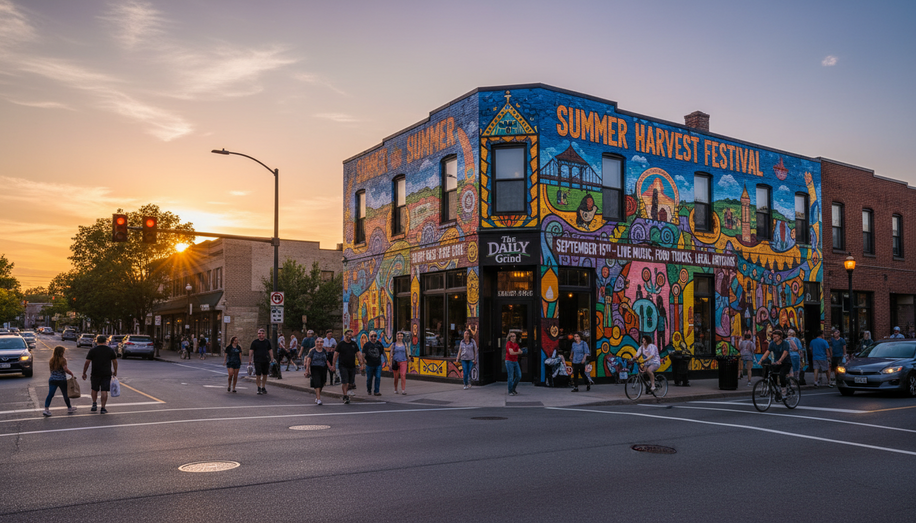

In the bustling streets of urban neighborhoods, where every corner tells a story unique to its residents, out-of-home (OOH) advertising is evolving into a precision tool for hyperlocal engagement. Brands are no longer casting wide nets across cities; instead, they are crafting neighborhood-specific campaigns that tap into local rhythms, from morning commutes in a tech-savvy district to evening markets in cultural enclaves. This shift leverages advanced data analytics, dynamic digital screens, and contextual creativity to forge genuine connections, turning passive passersby into loyal advocates.
Hyperlocal OOH strategies begin with granular audience and location analysis, pinpointing where communities converge and linger. Marketers use heatmaps, mobility data, and foot traffic patterns to identify high-impact zones like transit hubs near shopping districts or entertainment centers tailored to specific demographics. For instance, in a family-oriented suburb, placements at school-adjacent bus shelters can highlight after-school promotions, while downtown creative hubs might feature AR-enabled billboards promoting co-working events. This alignment ensures messages resonate with psychographics—age, interests, commuting habits—boosting recall and relevance. Studies indicate that such targeted placements can elevate brand recall by up to 30 percent through guerrilla-style surprises or experiential pop-ups that blend into the neighborhood fabric.
Technology amplifies this precision, with smart billboards and digital out-of-home (DOOH) formats at the forefront. Equipped with sensors, GPS, and AI analytics, these displays deliver hyper-tailored content based on real-time factors like traffic flow, weather, or nearby events. A screen in a rainy coastal neighborhood might switch to cozy café offers, while one near a sports stadium pulses with game-day deals during matches. Programmatic DOOH buying streamlines this, enabling automated, data-driven optimizations that minimize wasted impressions and maximize ROI. Diversifying formats—large digital walls in high-traffic centers alongside smaller screens in gyms, elevators, or even waterways—extends reach into everyday routines, ensuring brands shadow audiences across their day.
Personalization takes hyperlocal OOH to immersive heights. Dynamic content adjusts by time of day, commuter patterns, or local happenings, such as weather-triggered promotions or event-tied messaging. Geo-fencing complements this by retargeting mobile users who pass OOH assets, bridging physical exposure to digital action via QR codes or beacons that unlock exclusive offers. In Los Angeles, for example, strategically placed billboards across counties like the San Fernando Valley or Westside deliver neighborhood-contextual ads, seamlessly integrating into residents’ drives and walks. Interactive elements further deepen bonds: touchscreens for product demos, AR overlays for virtual try-ons, or gamified challenges that spur social sharing and extend dwell times by 20 to 40 percent.
Real-world results underscore the power of these tactics. Hyperlocal campaigns drive up to 37 percent lifts in foot traffic when paired with geofencing measurements, proving OOH’s measurable impact beyond top-of-funnel awareness. Local searches on mobile convert at 80 percent when met with personalized OOH prompts, like time-sensitive incentives—“20 percent off for nearby gym members”—fueling higher click-through rates and lower acquisition costs. National brands localize effortlessly, sponsoring community events from high school sports to music festivals, where OOH amplifies built-in passion and loyalty. Even unconventional venues, such as movie theaters or vehicle-mounted screens swarming events, create immersive storytelling that ties lifestyle to brand experience.
Challenges persist, particularly in fragmented markets where over-saturation risks ad fatigue. Success demands continual refinement: real-time data refines placements, A/B testing hones creatives, and cross-channel integration with social and mobile tracks full-funnel conversions. Privacy considerations loom large as location data proliferates, urging ethical practices like anonymized analytics to build trust.
Looking to 2026 and beyond, hyperlocal OOH will fuse with smart city infrastructure, where IoT-connected screens and AI deliver contextually flawless campaigns. Programmatic platforms and machine learning will enable millimeter-accurate targeting, from neighborhood micro-events to dynamic weather responses, making OOH indispensable for community-rooted growth. Brands that master this—speaking the language of the street, block by block—will not just advertise; they will belong.