
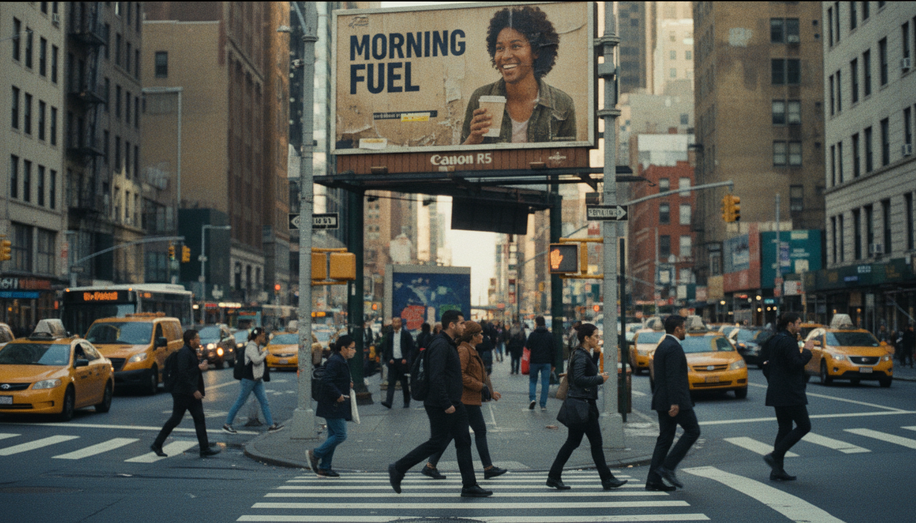

In the dynamic world of out-of-home (OOH) advertising, where billboards command attention along highways and digital displays pulse in urban cores, compliance with permitting and regulatory frameworks stands as the unseen foundation of every successful campaign. Advertisers and agencies ignoring these rules risk not just fines or forced removals, but the erosion of public trust and operational disruptions that can derail multimillion-dollar strategies. As OOH evolves with digital innovations and sustainability mandates, mastering local, state, and national regulations has become non-negotiable for those aiming to thrive.
At the federal level, the Highway Beautification Act (HBA) of 1965 sets the tone by empowering states to control billboards along interstate highways and federal-aid primary routes, prioritizing scenic preservation and driver safety. This act delegates authority to states like California, where the California Department of Transportation (Caltrans) rigorously oversees outdoor advertising displays visible from state highways, enforcing strict placement rules to prevent visual clutter. Nationally, while outright bans are rare—most of the 215 cities surveyed in one study permit new billboards—compliance hinges on securing permits from local governments or regulatory bodies, often accompanied by fees to offset administrative costs.
State-specific laws add layers of complexity, particularly for digital out-of-home (DOOH) formats. California’s Outdoor Advertising Act (COAA) imposes precise limits: displays cannot exceed 700 square feet, must maintain set distances from schools and parks, and prohibit flashing, scrolling, or intermittent lights that could distract motorists. Complementing this, the Digital Outdoor Advertising (DOA) Act mandates a permitting process for digital billboards, regulating brightness, content rotation times, and environmental safeguards to curb intrusion. These measures reflect broader state trends, where agencies must navigate zoning ordinances dictating signage size, height, and positioning in residential versus commercial zones, all aimed at balancing economic vitality with aesthetic and safety standards.
Local jurisdictions amplify these requirements, often tailoring rules to community character. Municipalities frequently restrict OOH near sensitive sites—schools, religious institutions, hospitals, nursing homes, military bases, or scenic byways like the Pacific Coast Highway—to protect focus, tranquility, and viewsheds. Transportation corridors demand adherence to road authority guidelines, ensuring signs do not obstruct visibility or violate line-of-sight standards, which industry practices extend to spacing competing ads fairly. Even temporary formats like posters or banners in public spaces require approval, underscoring that no OOH element escapes scrutiny. Zoning boards may enforce moratoriums on new structures or repairs in high-value areas, gradually phasing out nonconforming signs to promote orderly urban landscapes.
Content restrictions further demand vigilance, blending public welfare with cultural sensitivities. Advertisements must avoid hazards to pedestrians or drivers, meeting accessibility standards and minimum setbacks from roadways. Emerging privacy laws, such as California’s Consumer Privacy Act (CCPA) or Europe’s GDPR equivalents, scrutinize data-driven targeting in DOOH, requiring responsible handling of audience analytics from heatmaps or mobility data. Creatives steer clear of provocative imagery near protected zones, while agencies inform clients of compliant inventory to sidestep backlash.
Sustainability has surged into regulatory focus, with cities mandating recyclable substrates, biodegradable materials, and solar-powered displays to minimize ecological footprints. Toxic chemicals are banned in some regions, and energy-efficient LEDs are increasingly required for digital networks, aligning OOH with green initiatives that enhance brand perception amid forecasts of DOOH comprising over 40% of spend by 2026. Campaigns must also respect duration limits, with periodic permit renewals ensuring ongoing viability.
Navigating this maze begins with due diligence: partner with media owners versed in local ordinances, conduct pre-campaign audits, and leverage tools like OAAA guidelines for industry best practices. Applications for land use or sign permits follow structured reviews, incorporating conditions for maintenance, prompt removal post-campaign, and road authority nods where applicable. Proactive compliance—anticipating renewals, documenting permissions, and adapting to line-of-sight clauses in leases—mitigates risks like fines or asset seizures.
For advertisers, the payoff is clear: compliant OOH not only endures but amplifies impact. Agencies that embed regulatory expertise into planning—from site selection to creative approval—unlock premium inventory while fostering long-term partnerships. As regulations tighten with technological advances, those who treat compliance as a strategic edge will dominate public spaces, turning potential pitfalls into pathways for innovation and growth.