
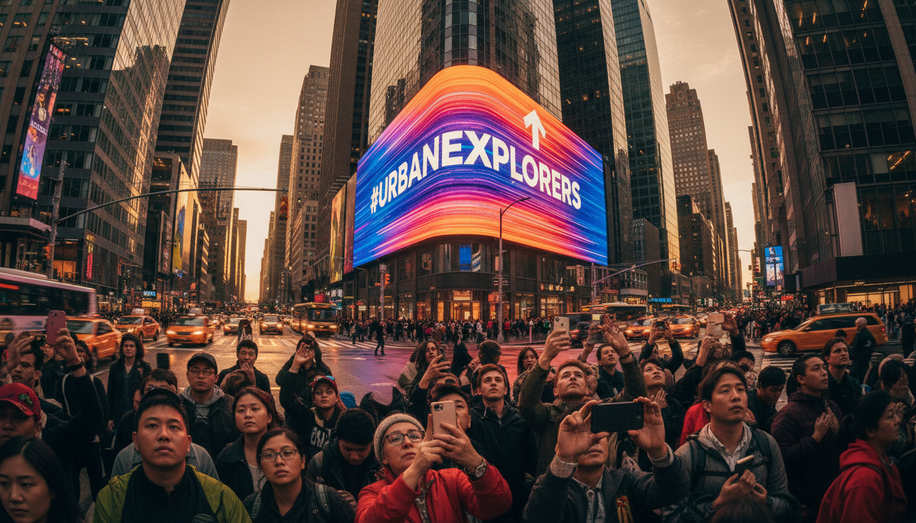

Outdoor advertising, once confined to the static gaze of billboards and transit wraps, has evolved into a dynamic launchpad for digital conversations. By seamlessly blending out-of-home (OOH) campaigns with social media, brands can transform passive roadside encounters into active online participation, sparking user-generated content, viral hashtags, and measurable engagement surges. This integration leverages the physical immediacy of OOH—reaching audiences in high-traffic zones—with the boundless sharing power of platforms like Instagram and TikTok, creating a multiplier effect that extends local visibility into global buzz.
The foundation of this synergy lies in designing OOH creatives that beg to be captured and shared. Compelling visuals, provocative questions, or interactive prompts turn a billboard into a photo-opportunity. For instance, advertisers craft ads with bold slogans or optical illusions that passersby instinctively snap with their smartphones, fueled by the ubiquity of mobile devices. A study by CBS Outdoor International across six European markets revealed that consumers exposed to OOH ads were more inclined to like brands on Facebook, make online purchases, or download apps compared to those seeing TV, radio, or print equivalents, underscoring how OOH primes digital actions. When these visuals incorporate branded hashtags—think #ShareACoke from Coca-Cola’s iconic campaign—users propel the message organically, amplifying reach without additional media spend.
QR codes serve as the literal bridge between billboard and browser, inviting instant digital dives. Placed prominently on static billboards, bus shelters, or digital screens, these scannable gateways direct users to landing pages, exclusive offers, or social profiles, simplifying the path from curiosity to conversion. A concert promoter might feature a QR linking straight to ticket sales, while a retail chain could funnel scanners to an Instagram Story contest. This not only tracks engagement through scan data but also funnels traffic into social ecosystems, where users can like, comment, and share in real time. Benefits extend to analytics: platforms like Google Analytics capture surges from these touchpoints, allowing marketers to correlate OOH impressions with online metrics like hashtag volume or profile visits.
Geotargeting elevates this further by syncing OOH placements with hyper-local social ads. A billboard near a shopping mall can trigger Instagram or Facebook promotions within a five-mile radius, retargeting those who’ve passed by and creating a persistent, multi-channel reminder. Snapchat and similar apps refine this with geofencing, notifying nearby users of the campaign and prompting check-ins or shares. Digital OOH (DOOH) takes it up a notch, enabling real-time updates: screens can display live Twitter feeds, user-submitted photos, or trending reactions, fostering immediacy that static formats can’t match. Spotify’s Wrapped billboards exemplified this, flashing humorous user stats that spurred millions to post their own summaries online, blending personalization with shareability.
User-generated content (UGC) thrives in this ecosystem, as OOH prompts turn audiences into advocates. Contests urging selfies with the ad—posted via a custom hashtag—generate authentic endorsements that resonate more than polished posts. Brands repost top entries on their feeds, creating a feedback loop that builds community and trust. StreetMetrics data shows how such tactics convert local OOH into global conversations, with analytics revealing impressions, demographics, and engagement hotspots from shared images. The Outdoor Advertising Association of America reports that social-integrated campaigns can boost engagement by 200% or more, thanks to trackable metrics like mentions and shares.
Real-time data integration seals the deal for optimization. GPS-tracked mobile billboards identify high-engagement routes, informing intensified social pushes in those zones. DOOH platforms aggregate hashtags live, displaying top user posts to inspire more participation and sustain momentum. Consistency across channels is crucial: unified visuals, messaging, and timing ensure the brand story flows unbroken from street to screen. Launch social teasers alongside OOH rollouts, and monitor cross-platform lift to refine future efforts.
Challenges persist—overly complex QR designs deter scans, and hashtag fatigue dilutes impact—but successes like Coca-Cola’s viral personalization prove the potential. For brands, this OOH-to-feed pipeline demands creativity: humor, emotion, or storytelling that resonates offline and ignites online. The result? Campaigns that don’t just advertise but activate, driving conversations, loyalty, and ROI in an always-connected world. As mobile habits deepen, this hybrid approach positions OOH not as a relic, but as the spark for social media’s wildfire spread.