
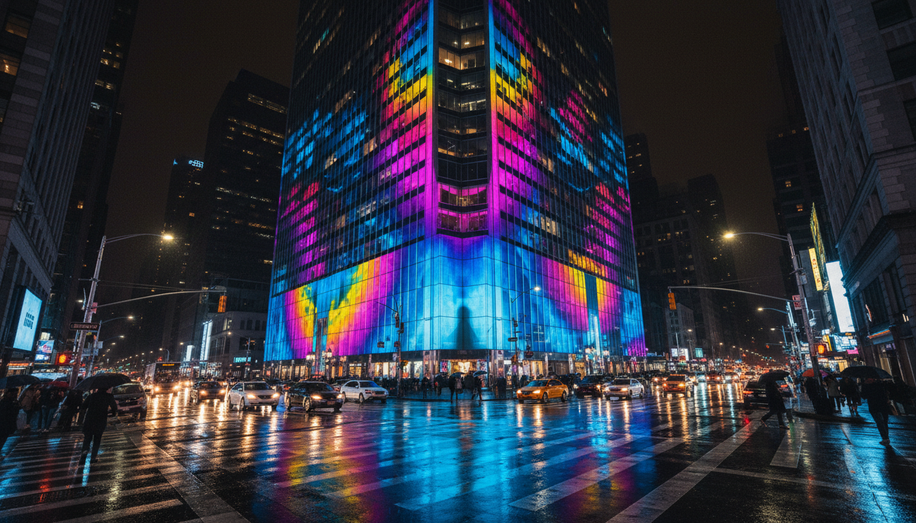

In the bustling arteries of modern cities, out-of-home (OOH) advertising is shedding its static skin, evolving into dynamic, unexpected interventions that weave brands into the fabric of urban life. Gone are the days when billboards alone commanded attention; today, innovative formats like pop-up installations, guerrilla projections, and immersive 3D displays are redefining public spaces, turning everyday commutes into unforgettable encounters. These unconventional approaches capture fleeting glances, spark social media frenzy, and forge emotional connections that traditional media struggles to match, with industry data showing interactive OOH boosting dwell time by 20 to 40 percent.
Pop-up installations stand at the forefront of this revolution, transforming temporary urban voids into branded spectacles. Picture a vacant lot in downtown Manhattan suddenly blooming with a colossal, interactive sculpture promoting a new energy drink—visitors pedal stationary bikes to power LED lights that cascade in rhythmic patterns, rewarding participation with free samples dispensed via smart vending arms. Such activations, often lasting just days, generate massive earned media; one campaign in London saw over 500,000 Instagram shares as pedestrians queued for the experience. These formats thrive on surprise and scarcity, leveraging FOMO—fear of missing out—to drive virality. Unlike fixed billboards, pop-ups adapt to hyper-local contexts, syncing with neighborhood events or weather via IoT sensors, ensuring relevance in a way static ads never could.
Guerrilla projections take this ethos further, hijacking the night sky with ephemeral light shows that bypass permitting hurdles and regulatory red tape. Projectors mounted on delivery vans or drones cast colossal brand messages onto skyscraper facades, bridges, or even passing clouds, creating illusions of liquid gold pouring from a rooftop or whales breaching through concrete walls. A notable 2025 stunt by a streetwear brand in Tokyo projected animated sneakers “walking” across Shibuya Crossing, halting traffic and amassing 10 million TikTok views overnight. This format’s power lies in its illegibility as advertising—viewers perceive it as street art or spectacle, fostering organic buzz. Projections integrate seamlessly with programmatic digital out-of-home (DOOH) tech, triggering content based on real-time data like crowd density or local festivals, amplifying impact without permanent infrastructure.
Equally disruptive are 3D LED screens and augmented reality (AR) overlays, which shatter the flat plane of conventional displays. Towering in high-traffic plazas, these holographic behemoths depict products leaping from the screen—a perfume bottle exploding into a mist that envelops passersby, or a car engine revving with tangible vibrations synced to motion sensors. Brands like Britannia have mastered this with “Nature Shapes Britannia,” where biscuit crumbs morphed into lush landscapes on massive 3D walls, blending nostalgia and innovation to evoke sensory delight. AR takes it mobile: scan a QR on a bus shelter, and your phone overlays virtual try-ons of makeup or furniture in your real-world view, bridging physical and digital realms. These tools extend dwell time and participation, with AR campaigns reporting 56 percent of viewers discussing them later, fueling word-of-mouth that digital ads envy.
Street furniture gets a guerrilla twist too, elevating bus stops and bike racks into playful provocations. Imagine a shelter “flooded” with holographic water that recedes as you approach, revealing a thirst-quenching ad, or chalk art on sidewalks that animates via AR apps to guide users to pop-up stores. Mobile billboards—trucks outfitted with flexible screens—roam event zones, adapting messages to GPS data for precision targeting. Guerrilla ambient tactics, like branded sidewalk stencils that “grow” into plant installations using biodegradable materials, nod to sustainability trends, appealing to eco-conscious millennials who favor green brands by 72 percent.
This surge in unconventional OOH reflects broader shifts: DOOH now claims over 40 percent of ad spend, fueled by AI-driven personalization and programmatic buying that optimizes for traffic, demographics, and even mood inferred from weather. Yet, it’s the tactile, unscripted nature of these formats that truly redefines urban landscapes—pop-ups foster community gatherings, projections ignite nightlife wonder, and interactive elements demand engagement. Challenges persist: higher upfront costs for tech-heavy installs and navigating city bylaws for guerrilla tactics demand savvy planning. Still, metrics affirm their potency—71 percent of consumers notice roadside OOH, and 26 percent act by visiting sites post-exposure.
As cities densify, these formats don’t just advertise; they activate space, blending utility with storytelling. Solar-powered projections minimize footprints, inclusive designs add audio for the visually impaired, and data loops close the feedback gap once plaguing OOH. In 2026, the message is clear: the most memorable campaigns aren’t seen—they’re lived, reshaping skylines one audacious intervention at a time.