
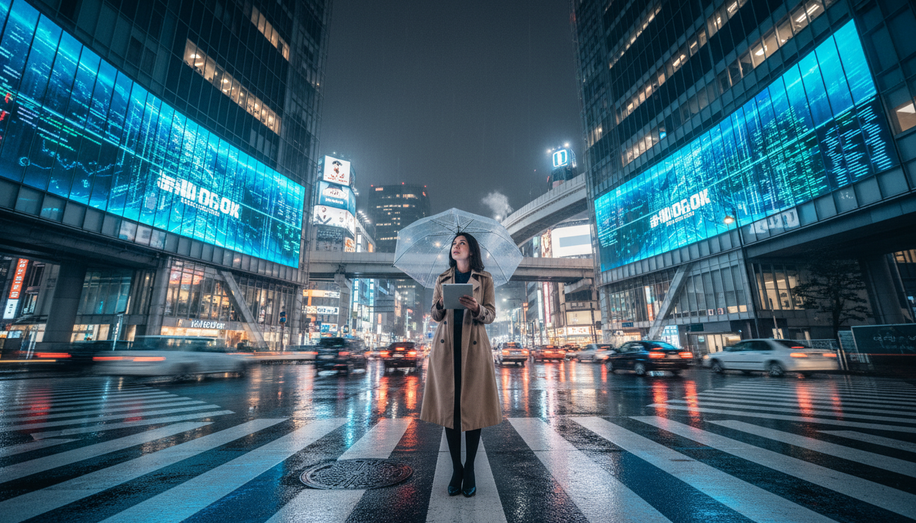

In the bustling heart of 2026, the out-of-home (OOH) advertising industry stands at a pivotal crossroads, its resurgence fueled by a flight from digital saturation and a hunger for tangible, unskippable impact. Billboards, digital screens, and immersive urban displays are no longer relics of a bygone era but precision engines of brand influence, commanding budgets as digital out-of-home (DOOH) surges toward 45.2% of total OOH spend by 2028. This boom demands a workforce that bridges creativity with cutting-edge technology, where roles like data scientists, urban planners, creative technologists, and media buyers are redefining the sector’s professional landscape. As advertisers pivot to OOH for its authentic reach amid privacy crackdowns and algorithmic distrust, the humans powering these campaigns must evolve to match the medium’s hybrid promise.
At the forefront are data scientists, whose expertise turns raw signals into strategic gold. No longer confined to back-office analysis, they harness real-time data from geo-fencing, weather patterns, local events, and audience movement to optimize placements and dynamic content. Programmatic DOOH (pDOOH), now the industry norm, relies on their skills to automate buying, adjust frequency capping, and integrate contextual triggers for messaging that adapts on the fly—think ads shifting from sunny promotions to rainy-day alternatives in seconds. These professionals blend AI proficiency with OOH-specific metrics like foot traffic attribution and proximity-based targeting, enabling brands to prove ROI in ways static digital metrics often fail. Industry forecasts underscore their indispensability: as pDOOH campaigns proliferate, data scientists will command premium roles, collaborating with DSP platforms to reduce waste and amplify impact in high-traffic zones from transit hubs to waterways.
Complementing this analytical prowess are urban planners, emerging as vital architects of OOH’s spatial dominance. With OOH expanding into diverse venues—malls, gyms, elevators, theaters, and even roadways—these specialists map cityscapes for maximum visibility and cultural resonance. They assess traffic flows, demographic densities, and regulatory landscapes, ensuring campaigns align with lifestyle rhythms while adhering to sustainability mandates like solar-powered screens and recycled materials. In 2026, their role intensifies as brands seek “lifestyle-aligned connections,” positioning billboards as cultural touchpoints that boost purchase intent by 1.3 times through timely, joyful creatives tied to festivals or events. Urban planners negotiate with municipalities, forecast zoning shifts, and integrate environmental standards pioneered in Europe, making them linchpins for scalable, compliant expansions that blend physical media with omnichannel strategies.
Creative technologists embody the fusion of artistry and innovation, crafting experiences that transcend traditional design. Dynamic creative optimization (DCO) is their playground, where they program screens to deliver hyper-relevant narratives—QR codes linking to mobile retargeting, NFC taps for instant engagement, or AI-driven visuals responding to real-time contexts. As OOH emphasizes brand-building with +88% lifts in premium cues, these pros wield tools like programmatic platforms to create immersive stories across static billboards and LED arrays, fostering emotional bonds without digital fatigue. Their skill set—proficiency in creative software, real-time rendering, and cross-channel integration—positions them as the storytellers of public spaces, turning fleeting exposures into memorable, measurable encounters that drive +41% brand esteem.
Rounding out this ecosystem are media buyers, who orchestrate the financial and logistical symphony. Evolving from transactional negotiators to strategic hybrid experts, they navigate programmatic auctions alongside direct venue deals, blending OOH with digital for cohesive campaigns. With budgets shifting from saturated online channels, buyers leverage audience ratings, transparent reporting, and performance data to secure prime inventory in fragmented markets, ensuring predictable geographic reach and top-of-mind presence. Their edge lies in agility: real-time bidding for event swarms or geo-targeted takeovers, coupled with sustainability audits, as North American accountability meets APAC’s innovation. Forward-thinking buyers, often with certifications in pDOOH platforms, advise on diversification—mixing massive urban spectacles with intimate in-store screens—to maximize daily touchpoints and hybrid ROI.
Career paths in this transformed OOH workforce are as dynamic as the medium itself. Entry-level roles in content production or inventory management now ladder into specialized tracks, with certifications in AI-driven planning and programmatic tools accelerating ascents. Mid-career professionals pivot via upskilling in data visualization or urban analytics, while executives champion OOH as a “global operating system” for resilient brand growth. Agencies and media owners prioritize hybrid talent, fostering teams where data scientists inform creative technologists, urban planners guide media buyers, and all converge on sustainable, tech-infused storytelling. Challenges persist—coordinating approvals for dynamic assets, navigating regulations—but opportunities abound as OOH’s momentum post-2025 propels job creation amid advertising’s upward trajectory.
Ultimately, the future OOH workforce thrives on adaptability, demanding proficiency in data, design, and deployment to capitalize on the industry’s corrective force against digital woes. Professionals who master these intersections will not only shape campaigns that reclaim attention in real-world environments but also propel their careers in a sector poised for sustained dominance. As billboards evolve into intelligent cultural beacons, the talent behind them ensures OOH remains the unblockable path to authentic influence.