
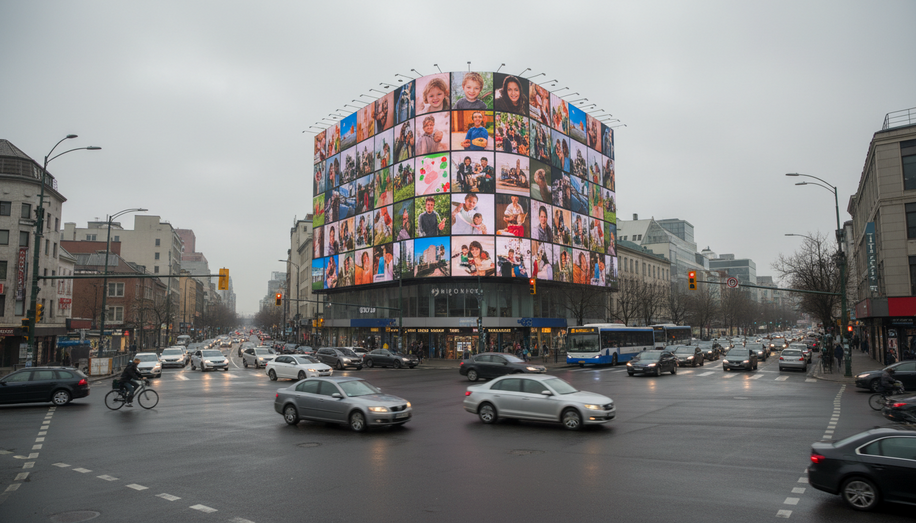

In the bustling digital landscape of 2026, brands are transcending the confines of social media feeds by transforming fleeting tweets, Instagram stories, and user-submitted photos into towering billboards and dynamic digital out-of-home (DOOH) displays. This fusion of user-generated content (UGC) with OOH advertising creates campaigns that pulse with authenticity, drawing communities into the narrative and amplifying messages in public spaces where eyes are inevitably drawn.
The appeal lies in its raw genuineness. Unlike polished studio shoots, UGC captures real moments—customers unboxing gear amid rugged trails, sharing first impressions of a new gadget, or narrating podcasts about epic hikes. Outdoor brands like REI have mastered this with their #OptOutside initiative, urging shoppers to ditch Black Friday sales for adventures and share their experiences online. Those submissions didn’t stay virtual; they fueled a broader conversation that reinforced REI’s ethos of prioritizing nature over commerce, building a loyal tribe that feels seen and valued.
The North Face takes it further, curating customer photos from mountaineering feats to casual rambles and splashing them across social channels and websites. GoPro, the action-camera pioneer, turns users into protagonists by featuring their jaw-dropping footage, effectively crowdsourcing content that showcases the product’s prowess in ways no ad agency could fabricate. These examples illustrate a key shift: UGC isn’t mere filler; it’s social proof that humanizes brands, fostering trust and engagement in an era skeptical of overt marketing.
Bridging the gap to OOH requires savvy integration. National Geographic’s #SaveTogether campaign exemplifies this seamlessly. Passersby snapped selfies with DOOH screens displaying endangered animals, posted them to Twitter or Instagram with the hashtag, and saw their images selected for projection on Times Square billboards. What began as a personal snapshot evolved into a massive public spectacle, reaching 66% consumer coverage via high-impact OOH while rallying a global audience around conservation. This loop—digital submission to physical prominence—generated buzz, with user photos becoming the campaign’s viral heartbeat.
Technology accelerates the process. Programmatic DOOH platforms enable real-time triggers, pulling UGC based on weather, location, or events. Imagine Rain-X ads activating only during downpours, overlaid with user videos of rain-slicked windshields cleared by their product, or Aperol Spritz promotions firing up near bars when temperatures hit 66°F, featuring fan-submitted cocktail toasts. For outdoor enthusiasts, contests amplify participation: brands solicit adventure photos or videos via hashtags, then award winners by beaming their submissions onto city-center screens. This not only incentivizes shares but turns everyday users into billboard stars, creating FOMO that drives further UGC.
Challenges persist, from curating quality content to navigating permissions, but the payoffs are tangible. HOKA’s Mafate X sneaker launch transformed Manhattan streets into a desert simulation, complete with interactive treadmills and Unreal Engine visuals that shifted with runners’ paces. User-captured runs fed into the DOOH loop, blending physical immersion with shared social proof. Similarly, Dreamies cat treats scaled feline antics into 3D facade climbers on London buildings, inspired by real pet photos, morphing urban photo ops into shareable spectacles.
Brands extend this beyond billboards. Integrating UGC into email blasts or product pages adds relatability—think a camping tent photo from a remote wilderness starring on your site, boosting conversions through visualized real-life use. GMC’s face-analysis DOOH tailored ads by age and gender from crowd data, hinting at future UGC personalization where algorithms spotlight demographically resonant user posts.
Critics might argue OOH’s ephemerality dilutes UGC’s intimacy, yet data counters this: campaigns like Nike’s 3D Air Max billboards in Tokyo went viral precisely because they invited shares, turning static displays into social amplifiers. National Geographic’s Times Square projections proved UGC scales massively, with selected selfies reaching millions offline and online.
As OOH evolves with AI and data triggers, the tweets-to-billboard pipeline democratizes advertising. Brands like Spotify and Netflix have flirted with UGC overlays on DOOH, teasing show moments with fan art or reactions, proving the model’s versatility beyond outdoors. For OOH publishers, this means richer inventories: dynamic screens fed by live UGC streams, ensuring freshness and relevance.
Ultimately, these campaigns resonate because they co-create with audiences, weaving personal stories into the urban fabric. In a world craving connection, elevating user voices from screens to streets doesn’t just advertise—it ignites communities, proving that the most compelling billboards are those born from the crowd.