
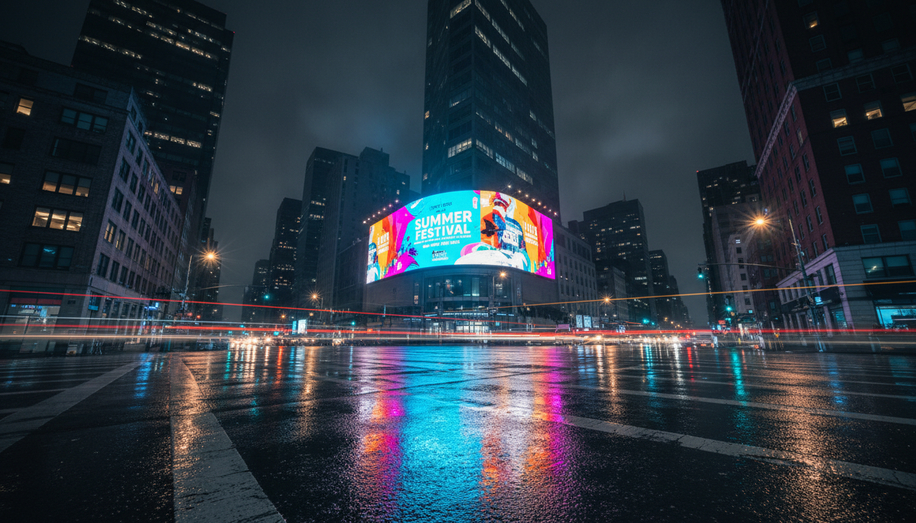

In the bustling world of live experiences, out-of-home (OOH) advertising stands as a powerhouse for igniting excitement and packing venues to capacity. From towering billboards heralding a headline concert to vibrant street posters teasing a neighborhood festival, OOH cuts through digital noise, delivering unmissable messages to audiences on the move. As event organizers grapple with fleeting attention spans, strategic OOH deployment not only disseminates critical details like dates, venues, and ticket links but also sparks the kind of viral buzz that turns casual passersby into eager attendees.
The magic of OOH lies in its hyper-local, high-impact nature, perfectly suited for events with defined geographic footprints. Consider a music festival in a city park: bold banners unfurled along high-traffic walkways, using vivid colors and oversized lettering to broadcast the lineup and headliner from afar. These eye-catching installations guide foot traffic while embedding the event’s personality—think pulsating graphics mimicking stage lights for a rock concert or sleek, minimalist designs for a tech conference. Strategic placement amplifies reach; positioning signage at entrances, transit hubs, and commuter routes ensures maximum exposure to target demographics, whether urban professionals en route to work or festival-goers scouting weekend vibes.
Beyond static displays, dynamic OOH formats elevate engagement, transforming promotion into an immersive prelude to the event itself. Inflatables, those colossal, swaying replicas of band mascots or festival icons, loom over trade shows and fairs, drawing crowds from blocks away and generating instant social media shares. Feather flags whipping in the breeze outside conference centers or pop-up markets serve as affordable beacons, customizable with QR codes that link straight to ticketing pages, bridging physical visibility with digital conversion. For local events like community fairs, guerrilla-style street art—collaborative murals or chalk installations themed around the happenings—creates conversational focal points in pedestrian zones, fostering organic word-of-mouth and user-generated content.
Driving attendance demands more than visibility; OOH must convey urgency and value. Early bird ticket promotions splashed across billboards, paired with countdown timers on digital screens, create FOMO that propels sales—group bundles for festivals or VIP passes for conferences turn skeptics into buyers. Clear calls-to-action are non-negotiable: large, legible fonts spelling out “Scan for Tickets” or “Free Entry This Weekend” alongside venue maps ensure no potential attendee walks away uninformed. Data from recent campaigns underscores this potency; OOH for major events like sports spectacles has boosted footfall by up to 30% when mapped to fan journeys, from awareness at highways to reminders near arenas.
Integration with broader tactics supercharges OOH’s buzz-building prowess. Pairing billboards with influencer partnerships amplifies reach—local tastemakers snapping selfies with event posters, then posting geotagged stories that echo the OOH message across Instagram and TikTok. Sponsorship tie-ins, such as co-branded posters in partner stores or on food trucks circling the venue, extend visibility while adding credibility. For conferences, professional signage at trade show peripheries, manned by brand ambassadors, morphs passive viewing into active inquiries, complete with giveaway handouts like branded water bottles that prolong promotion post-event.
Yet success hinges on meticulous planning. Start by auditing high-traffic zones via traffic data and demographic mapping to pinpoint optimal placements, ensuring alignment with event scale—a global summit warrants interstate billboards, while a craft fair thrives on neighborhood poles. Budget wisely: mix premium digital OOH for real-time updates (like lineup changes) with cost-effective posters for sustained exposure. Measure impact through promo codes unique to each format, tracking uplift in attendance and social mentions to refine future runs.
Real-world triumphs illustrate OOH’s edge. A recent summer festival campaign blanketed urban arterials with inflatable stage replicas and street-level posters, resulting in sold-out nights and a 25% attendance spike, fueled by pedestrian scans and shares. Similarly, conference promoters leveraging transit ads with bundle deals saw registrations surge, proving OOH’s role in converting local awareness into packed halls. Even smaller events benefit; a charity run’s feather flags and banners along race routes not only hyped the start line but sustained post-event recall through reusable swag.
In an era where live events compete against endless streaming options, OOH reclaims the tangible thrill of anticipation. By blending creativity, precision targeting, and seamless info delivery, it doesn’t just promote—it propels audiences through the doors, hearts racing for the experience ahead. Event planners who master this medium unlock not only higher turnouts but enduring brand loyalty, as memories forged in crowds begin with that first, unforgettable glimpse on the street.