
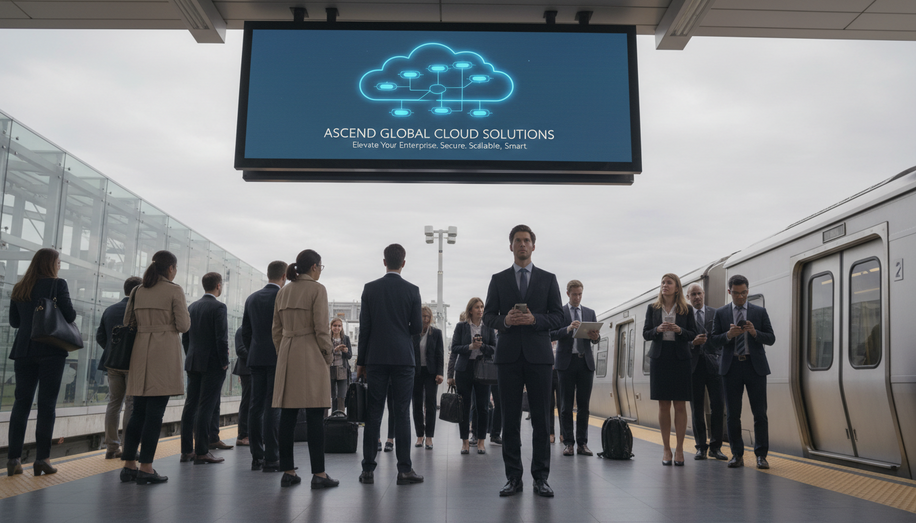

In the high-stakes world of B2B marketing, where deals hinge on relationships with elusive decision-makers, out-of-home (OOH) advertising has emerged as a powerful tool for cutting through digital clutter and delivering unmissable brand awareness. Far from the broad consumer blasts of Times Square spectacles, B2B brands are deploying OOH with surgical precision—targeting commutes, office spaces, and industry gatherings to embed their messages directly into the daily rhythms of corporate leaders. This resurgence reflects a broader recognition that physical advertising’s tangibility fosters familiarity and trust, essential for nurturing long sales cycles in business-to-business environments.
One of the most effective strategies involves place-based advertising, which extends OOH beyond traditional outdoor billboards into the very heart of decision-makers’ workspaces. Ads in office elevators, vending machines, and lobbies place brands squarely in front of executives during mundane moments, integrating messaging into routines where digital ads rarely penetrate. This indoor-outdoor hybrid, often overlooked in favor of purely exterior placements, ensures repeated exposure without relying on screen fatigue. For instance, B2B marketers targeting tech hubs like San Francisco or Austin have found success by saturating high-traffic commuter routes with succinct, visually striking billboards that commuters absorb in seconds during their daily drives. These placements leverage mobility data and geofencing to map where decision-makers live, work, and travel, transforming OOH from a shotgun approach into a pinpoint strike.
Complementing geographic precision is the tactic of “surround sound” advertising at tradeshows and conferences, where ads on transit vehicles, nearby billboards, and event peripherals create an immersive presence. A legal technology firm exemplified this by deploying mobile billboards around a key conference, achieving 2.2 times its social share goals and a 329% ROI in generated business. Such activations not only capture attendees en route but also spark organic conversations among professionals, driving word-of-mouth that digital campaigns struggle to replicate. By aligning OOH with account-based marketing (ABM), brands amplify top-of-funnel awareness, priming targets for personalized follow-ups and filling pipelines with qualified leads.
Interactive elements like QR codes have further evolved OOH for B2B, bridging physical exposure to digital action in a post-pandemic era of touchless engagement. These scannable prompts direct viewers to demo pages, quote requests, or gated content, turning passive glances into measurable interactions. Fintech company Brex harnessed this during a return-to-office push, blanketing key markets with OOH that no urban professional could evade, resulting in massive visibility and reinforced digital retargeting. Retargeting platforms extend this impact by identifying OOH exposures via data signals and serving tailored ads across online channels, capitalizing on the mere-exposure effect—where at least 10 impressions build preference and action.
Measurement has long been OOH’s Achilles’ heel, but modern programmatic platforms are debunking that myth with robust attribution. Brands now track lifts in branded searches, website traffic, and even pipeline activity by comparing ad-exposed locations to control groups, reporting ROI satisfaction above 90% and triple-digit conversion boosts. This data-driven rigor allows B2B marketers to integrate OOH seamlessly with digital stacks, proving its value in boardrooms accustomed to pixel-perfect analytics.
Beyond metrics, OOH’s emotional pull sets it apart, evoking responses that static online banners rarely achieve. Eye-catching visuals and provocative messaging create lasting impressions, fostering brand loyalty among stakeholders who influence multimillion-dollar decisions. In business districts or near headquarters of ideal clients, targeted billboards reinforce ABM efforts, making brands top-of-mind when opportunities arise.
For B2B brands, the key to OOH success lies in strategic execution: partnering with platforms offering 100+ data sources for hyper-local buys, blending formats like static billboards with digital OOH (DOOH) for dynamic relevance, and always tying back to clear calls-to-action. As remote work evolves and in-person networking rebounds, OOH stands ready to reclaim attention in the physical world. By focusing on reach, repetition, and relevance, B2B marketers are not just reaching decision-makers—they’re positioning their brands as indispensable partners in a crowded marketplace. This medium’s blend of creativity and precision ensures high-impact awareness that resonates long after the ad fades from view.