
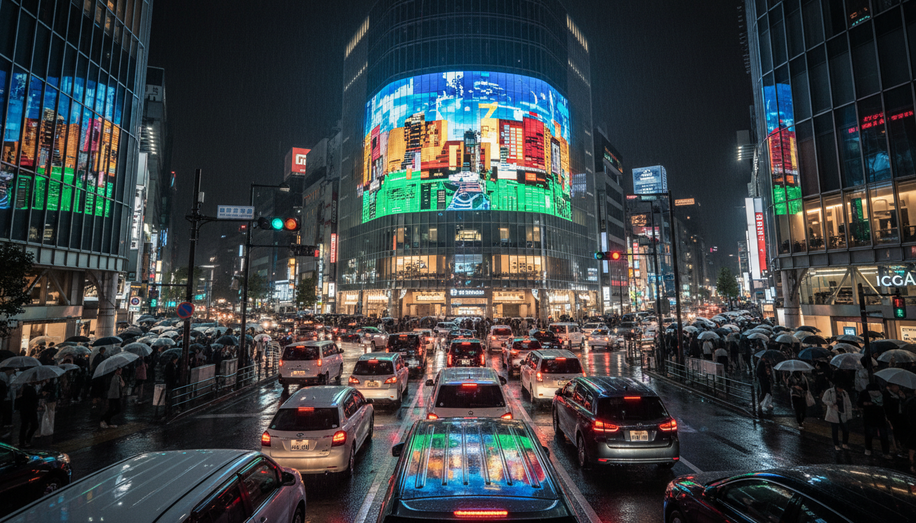

In the relentless rush of urban life, where drivers weave through traffic and pedestrians dart across crosswalks, out-of-home (OOH) advertising must seize attention in mere seconds. Designing for glance-ability means crafting messages that pierce the chaos, relying on visual hierarchy, ruthless conciseness, and instant comprehension to turn fleeting glimpses into lasting impressions. Unlike digital banners or print ads that viewers can linger over, OOH faces fast-moving audiences with no pause button—billboards blur past at highway speeds, bus shelters demand readability amid distractions, and subway posters compete with scrolling phones.
At the heart of effective OOH design lies visual hierarchy, the strategic layering of elements to guide the eye in a split-second scan. The most critical information hits first: a bold hero image that dominates the frame, instantly conveying the core idea without words. Research from the Outdoor Advertising Association of America underscores this, recommending imagery over text to spark emotional responses and create “stopping power” from afar. High-contrast colors amplify this hierarchy—think vibrant yellows against deep blacks or whites, ensuring shapes and faces pop even in harsh sunlight or at night. Low-contrast palettes blend into oblivion, as studies show they obscure messages from distances beyond 50 feet. Designers layer next with a punchy headline in massive, sans-serif fonts—simple, legible types like Helvetica or Arial that demand no decoding. Subtle brand logos or calls-to-action anchor the bottom, unobstructed and familiar, reinforcing recall without clutter.
Conciseness is non-negotiable; OOH thrives on a single, explosive idea. Boil the message to five or six words maximum, focusing on one product benefit or emotional hook. “Just Do It” endures because it lands fully formed, no mental gymnastics required. Extra details dilute impact—avoid fine print, multiple claims, or dense copy that forces audiences to “work too hard.” Instead, embrace humor, surprise, or intrigue: a bus shelter mimicking a pirate’s lair or a waterfall illusion cascading from a billboard. These playful executions build awareness faster than literal ads, stimulating intelligence rather than spoon-feeding facts. For campaigns needing depth, sequence messages across multiple units—a series unfolding the story as commuters pass by—preserving each frame’s purity.
Immediate comprehension seals the deal, tailoring design to the medium’s brutal constraints. Viewing time varies: highway billboards get 3-5 seconds, while airport dioramas allow 30; mobile transit ads demand the fewest elements. Know the audience and location first—target demographics shape imagery, from family-oriented motifs for suburban routes to edgy visuals for urban youth. A hero image of a steaming coffee cup near a morning commute or a beach escape by a winter airport gate leverages context for stickier memory. Consistency across channels—matching logos, colors, and hashtags—amplifies this, turning one glance into multichannel resonance.
Yet simplicity doesn’t mean blandness. Bold originality sets winners apart: augmented reality extensions or location-tied stunts that transform environments, like astroturf spilling from a sports ad. High-resolution graphics ensure no pixelated regrets, while white space is used sparingly—too much dilutes, but ample breathing room around the hierarchy sharpens focus. Positive, relatable themes outperform misleading claims, fostering trust and better recall. Test for glance-ability with real-world proxies: drive-by simulations or eye-tracking to confirm the message registers before the light changes.
In practice, brands like Nike and Air New Zealand exemplify these principles. Nike’s “Ready For Your :45?” pairs a dynamic athlete image with minimal text, hierarchy screaming urgency to runners and gym-goers alike. Air New Zealand’s waterfall billboard uses optical illusion for instant wow, concisely promising adventure without a word wasted. These aren’t accidents; they’re engineered for transit’s tempo, prioritizing emotional pull over exhaustive info dumps.
Ultimately, glance-able OOH design rejects repurposed digital clutter for purpose-built boldness. By mastering hierarchy to direct the gaze, enforcing conciseness to deliver one unforgettable punch, and engineering comprehension for split-second success, creatives forge ads that don’t just compete—they command the commute. In a world accelerating faster than ever, the medium’s mantra remains: less is more, and simple is supreme.
To truly command the commute, even the most glance-able designs demand strategic placement and proven efficacy, a challenge met by platforms like Blindspot. By providing sophisticated location intelligence and audience analytics, Blindspot ensures these purpose-built ads reach their optimal audience, while real-time performance tracking validates that every second counts. Explore how to elevate your OOH strategy at https://seeblindspot.com/