
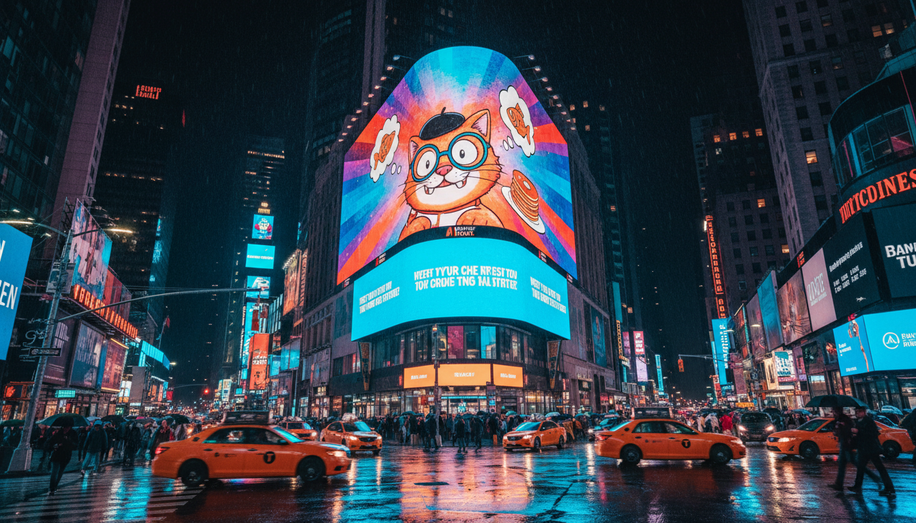

In the bustling streets and highways where out-of-home (OOH) advertising battles for fleeting glances, humor emerges as a secret weapon, transforming static billboards into memorable encounters that drive conversions. Psychological research underscores its potency: humor activates both cognitive and emotional brain centers, enhancing attention, recall, and brand affinity by creating a sense of shared understanding and relief from daily stress. Unlike serious messaging, which builds credibility but often fades into the background, witty OOH campaigns leverage surprise and misdirection to forge emotional bonds, turning passersby into loyal advocates.
At its core, humor in advertising functions as a distraction that disarms unease, much like a placebo easing tension in social settings. Studies show it grabs attention through unexpected twists, making consumers more receptive to brand messages amid the chaos of urban life. For OOH, where exposure lasts mere seconds, this is crucial—humor’s “wrecking ball” effect shatters commuter monotony, prompting smiles and shares that amplify reach organically. A study on humorous versus serious tones across product categories found humor significantly boosts enjoyment and recall, particularly for hygiene products, while serious ads edged out in purchase intent for beverages and health items. This nuance highlights humor’s versatility: it excels in low-stakes categories by fostering positive emotions, yet must balance with clear calls-to-action to nudge conversions.
The benign violation theory, pioneered by researchers Peter McGraw and Caleb Warren, explains why: humor thrives on mild transgressions—something “wrong” yet safe—sparking laughter and deeper processing. In OOH, this manifests in clever visuals that disrupt expectations, like a billboard playing on everyday absurdities. Low-aggressive humor, avoiding offense, further enhances brand attitudes and sharing intent by building rapport, as consumers appreciate teasing that feels inclusive rather than alienating. Emotionally resonant ads, including humorous ones, outperform rational appeals, with 31% success rates versus 16% in driving engagement. For OOH creatives, this means prioritizing relatability: humor unites audiences across cultures, as laughter transcends language barriers, cultivating community and loyalty.
Real-world OOH campaigns illustrate this power vividly. Old Spice’s absurd outdoor extensions of its “The Man Your Man Could Smell Like” push—featuring exaggerated masculinity on bus shelters and digital screens—captured attention through pattern-breaking incongruity, boosting sales and recognition exponentially. The campaign’s witty one-liners, like comparing a car engine to a “canal boat,” mirrored Top Gear host Jeremy Clarkson’s style, proving humor’s recall edge in high-traffic environments. Similarly, hygiene brands have thrived with playful OOH: imagine billboards depicting comically exaggerated “freshness” scenarios, which studies confirm heighten recall in that category over serious tones. Beverage giants, too, have experimented, though data suggests pairing humor with overt purchase cues maximizes intent.
Yet humor’s path to conversion isn’t without pitfalls. Cultural sensitivity is paramount; what amuses one demographic may perpetuate stereotypes or offend another, undermining trust. Ethical execution demands integrity—avoiding aggressive jabs that backfire—and tailoring wit to local voices for relevance. Product fit matters: while humor shines for indulgent or everyday items, serious tones may suit high-involvement categories like medicine, where recall trumps enjoyment. OOH practitioners must strike a balance, ensuring the laugh doesn’t overshadow the message, as evolving consumer preferences demand agility.
Ultimately, humor’s underrated edge in OOH lies in its conversion alchemy: it doesn’t just entertain; it persuades by humanizing brands. By easing stress, fostering unity, and etching messages into memory, witty campaigns build affinity that translates to foot traffic, scans, and sales. As urban advertising grows more fragmented, those mastering this “medicine” will laugh—and convert—all the way to the bank. Data from neuromarketing affirms it: brands with humorous personalities command stronger followings, turning one-off sightings into enduring loyalty. For OOH, where every square foot counts, injecting wit isn’t a gamble—it’s a proven accelerator for attention, recall, and revenue.
To truly master this conversion alchemy, OOH practitioners need robust tools to validate their creative risks and ensure humor drives measurable results. Blindspot empowers brands with **ROI measurement and attribution**, precisely tracking how witty campaigns translate into real-world foot traffic, scans, and sales, ensuring the laugh never overshadows the message’s effectiveness. With **real-time campaign performance tracking** and **audience analytics**, Blindspot provides the crucial insights to optimize humorous executions for cultural resonance and maximum conversion, turning every smile into a measurable step towards revenue; discover how at https://seeblindspot.com/