
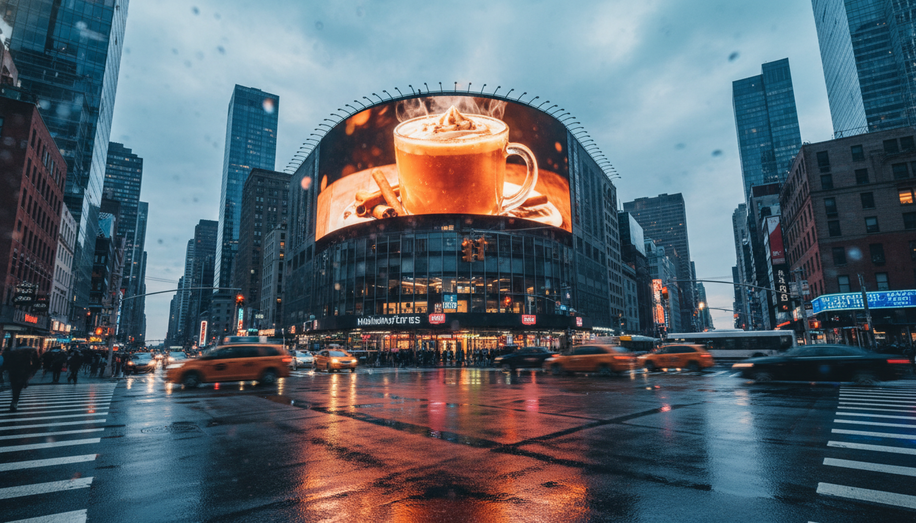

In the fast-evolving landscape of programmatic digital out-of-home (DOOH) advertising, Dynamic Creative Optimization (DCO) has transcended its roots in basic personalization to become a powerhouse of real-time adaptability. No longer confined to swapping logos or simple audience demographics, advanced DCO harnesses multiple live data triggers—such as weather fluctuations, traffic congestion, local events, and even inventory levels—to dynamically reshape creatives on the fly, ensuring ads deliver hyper-relevant messages that capture fleeting commuter attention or boost impulse buys at retail screens. This evolution is reshaping out-of-home (OOH) campaigns, turning static billboards into responsive storytelling machines that respond to the world’s pulse.
At its core, DCO in programmatic DOOH operates through automated platforms where advertisers upload modular creative templates—interchangeable elements like headlines, images, calls-to-action, and visuals—that assemble in real time based on predefined rules and live signals. Supply-side platforms (SSPs) like VIOOH integrate these with real-world data feeds, enabling creatives to update without manual intervention during real-time bidding (RTB) auctions or private marketplaces. For instance, a coffee chain might deploy sunny-weather visuals promoting iced lattes on urban screens when temperatures spike, seamlessly shifting to hot drink imagery amid sudden rain— all triggered by hyperlocal weather APIs. Platforms such as Perion and Displayce exemplify this by layering in traffic data, swapping gridlock messages urging drive-thru visits or public transit promotions during peak hours.
The sophistication deepens with event-based triggers, where DCO taps into sports scores, flight delays, or cultural happenings for contextual precision. Imagine a sports apparel brand whose programmatic DOOH ads near stadiums flash victory celebrations if a home team scores, or pivot to rival taunts post-loss, all pulled from live APIs without pausing the campaign. Airport screens take this further: VIOOH’s solution incorporates flight data to tailor ads, greeting delayed passengers with lounge offers or directing on-time travelers to nearby duty-free deals based on their gate’s destination. This isn’t guesswork; machine learning algorithms continuously optimize by analyzing performance metrics, favoring high-engagement variants like those boosting dwell time or foot traffic.
Inventory levels introduce a game-changing layer, particularly for e-commerce and retail giants integrating DCO with supply chain data. A fashion retailer could dynamically showcase low-stock items on screens proximate to stores—“Only 5 left in your size nearby!”—or pivot to alternatives when shelves empty, preventing lost sales and maximizing conversion rates. Broadsign notes this modular approach streamlines production, slashing the need for myriad static assets and accelerating time-to-market in programmatic environments. Screenverse emphasizes the ease: advertisers define triggers, upload assets, and let the SSP handle delivery, adapting seamlessly across screen sizes, locations, and placements.
These advanced techniques yield measurable gains, far surpassing rudimentary personalization. Studies from platforms like Perion highlight uplifts in engagement—up to 30% higher click-through equivalents in DOOH metrics—and ROI through precision targeting that aligns creatives with viewer context. VIOOH’s Chief Product Officer Jon Block underscores how DCO enriches media value, unlocking revenue for publishers via more compelling, automated ads that fuel programmatic adoption globally. In traffic-heavy zones, real-time congestion data not only personalizes but sequences narratives: early-morning rush ads build awareness, midday snarl-ups push lunch deals, and evening flows tease happy hours.
Critically, DCO’s strength lies in its optimization loop—gathering signals like audience behavior, environmental factors, and performance data to iteratively refine creatives. This closed system, powered by AI, swaps underperforming elements mid-campaign, ensuring every impression counts. For full-funnel strategies, it bridges awareness to conversion: top-funnel event-tied storytelling draws eyes, while bottom-funnel inventory alerts drive action. Yet challenges persist, including data privacy compliance and integration hurdles with fragmented DOOH ecosystems, though platforms are addressing these via first-party data and anonymized feeds.
As programmatic DOOH matures, advanced DCO stands as the differentiator, blending creativity with context for ads that feel prescient rather than promotional. Retailers report stronger footfall from weather-responsive promotions, travel brands see lift from flight-synced messaging, and CPG giants leverage events for viral moments—all while automating what once demanded armies of creatives. In an era where consumers demand relevance, DCO doesn’t just personalize; it anticipates, proving that in OOH, timing and triggers are the new currency of impact.