
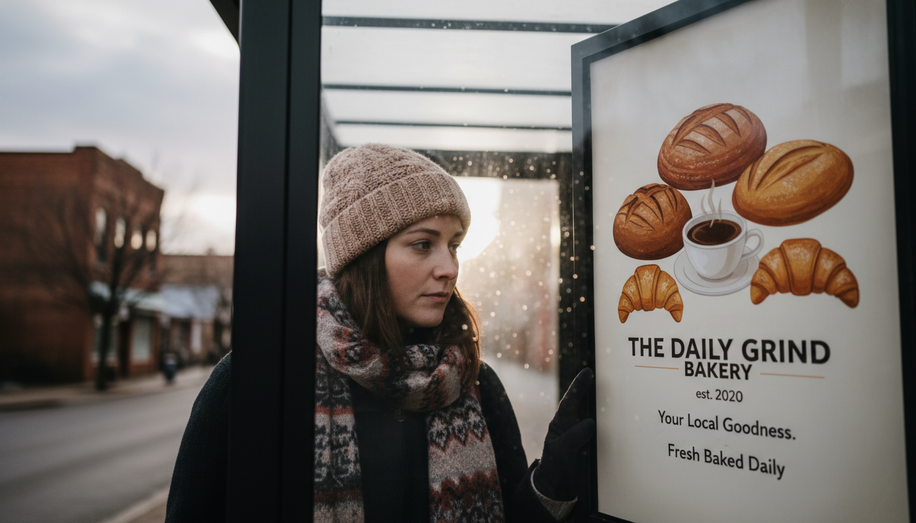

In an era where small and medium-sized businesses grapple with shrinking marketing budgets amid fierce digital competition, out-of-home (OOH) advertising offers a surprisingly potent hyperlocal lifeline. Street furniture like bus shelters and kiosks, paired with modest local billboards, enables precise targeting of customers within blocks or neighborhoods, delivering relevance without the waste of broad campaigns. This street-level precision turns everyday commutes into conversion opportunities, proving especially vital as consumer habits shift back toward in-store visits at neighborhood retailers.
Hyperlocal OOH thrives on geography’s granular power. Unlike sweeping TV spots or national digital buys, it zeros in on high-traffic zones where potential patrons live, work, and shop—think busy intersections near a coffee shop or pharmacy entrances in a residential pocket. Platforms leveraging mobile location data further refine this, placing digital OOH (DOOH) ads on specific blocks to capture eyes when purchase intent peaks. For a small retailer like Mr. Charlie’s Chicken Fingers, billboards along commuter routes align with traffic patterns, population density, and local landmarks, ensuring ads hit the right demographic without overspending. The result? Heightened visibility among those most likely to walk in, often boosting foot traffic measurably.
Budget constraints need not deter entry. Many providers offer flexible, pay-per-day options starting as low as $20, with no long-term contracts, allowing SMBs to test waters affordably. Street furniture—benches, transit stops, and wellness kiosks—provides prime real estate at fractions of traditional billboard costs, embedding brands in daily routines. Local operators often extend introductory deals, even free trials, to hook advertisers on OOH’s tangible impact; once businesses witness community buzz and sales lifts, they scale up. This low-barrier model democratizes access, letting a neighborhood bakery rival chain giants by dominating a single zip code.
Crafting messages for maximum punch demands localization. Ads must resonate immediately, weaving in nearby references: a car dealership might tout “employee pricing for your grocery haul” on a supermarket kiosk, or a dentist could promise “10% off whitening after that latte” steps away. Bold, mobile-friendly designs—simple text, vivid images, scannable from 50 feet—ensure readability on digital displays amid urban blur. Tie promotions to hyperlocal events, like rush-hour gripes or weekend markets, fostering an “I get you” connection that digital fatigue often lacks. Relevance spikes engagement; consumers encountering tailored offers in their surroundings feel seen, not sold to, driving impulse visits.
Integration amplifies returns. Pair OOH with optimized Google Business Profiles, syncing store-level promotions to appear atop Maps searches triggered by those same ads. Track real-time metrics via geofencing—virtual perimeters alerting phones entering ad zones—to measure lifts in visits or redemptions. A bakery sponsoring a block party could erect a nearby billboard urging “fresh scones waiting post-parade,” then monitor foot traffic spikes. Collaborations extend reach: ally with complementary spots, like a gym advertising beside a health food store, sharing audiences cost-effectively.
Challenges exist, but they’re surmountable. Precise geo-boundaries prevent bleed—focus on peak-hour flows, not vague radii. Weatherproof static options suit tight budgets, while DOOH adds dynamism for rotations. Skeptics cite measurability gaps, yet modern tools like mobile attribution close them, proving OOH’s ROI often outpaces social for local drives. Studies affirm local OOH’s edge: advertisers report undeniable business upticks from community-embedded placements.
For SMBs, hyperlocal OOH isn’t flashy—it’s surgical. A family-run diner in a bustling suburb swapped generic Facebook ads for shelter wraps and a single digital billboard, netting 25% more lunch rushes by name-dropping the adjacent park. Wellness centers leverage pharmacy kiosks for “post-grocery massage” pitches, capitalizing on walk-in surges. These tactics stretch dollars, build loyalty, and reclaim streets as sales funnels.
Ultimately, success hinges on starting small and iterating. Scout providers for hyperlocal inventory, audit traffic data, and launch with a single placement tied to a trackable offer—like “scan QR for 15% off today.” Refine based on redemptions and reviews. In a hyperconnected world, this analog anchor grounds digital efforts, reminding customers your business is literally around the corner. For resource-strapped owners, it’s not just advertising—it’s neighborhood dominance on a dime.