
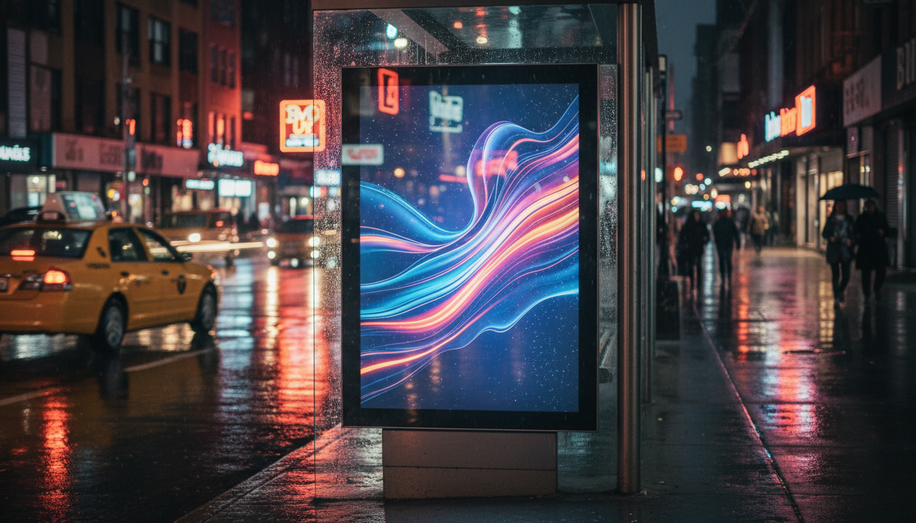

In the bustling heart of any city, where pedestrians weave through sidewalks and commuters pause at bus stops, street furniture advertising emerges as a subtle yet potent force, far surpassing the distant spectacle of towering billboards. Bus shelters, benches, kiosks, and trash bins—once mere urban utilities—now serve as intimate canvases for brands to forge connections at eye level, capturing attention during those fleeting moments of daily life. Unlike billboards that scream from afar, these formats invite closer scrutiny, blending seamlessly into the cityscape to engage locals and passersby with precision and creativity.
This medium’s strength lies in its hyper-local targeting, allowing advertisers to pinpoint neighborhoods, shopping districts, or business hubs with surgical accuracy. A restaurant might adorn benches just blocks away with mouthwatering visuals and directions—”Two blocks ahead!”—prompting impulse visits from hungry shoppers or office workers. For small businesses, the appeal is even more pronounced: cost-effective with CPMs as low as $3.50 for transit shelters, these ads deliver high visibility in high-traffic zones without the hefty price tag of TV or digital campaigns. Positioned where people wait, rest, or seek information, they ensure constant exposure—rain or shine, 24/7—to audiences who are alert and undistracted by screens.
Creativity flourishes here, transforming mundane fixtures into interactive experiences that spark engagement. Imagine a florist’s bench enveloped in real blooms, urging selfies for Instagram shares, or a cleaning service’s humorous wrap on a trash bin proclaiming, “We clean more than just this!” Digital innovations elevate this further: rotating screens on kiosks display gym motivational videos during rush hour or light up like soccer goals to hype local matches, blending motion and relevance to captivate commuters. Luxury brands like Chanel have pushed boundaries with custom shelters featuring dual screens—one airing commercials, the other letting users craft personalized GIFs—fostering intimate, memorable interactions.
Beyond novelty, street furniture advertising builds community goodwill by adding value to public spaces. Sponsoring free WiFi at shelters, device charging stations on benches, or weather-protected kiosks turns ads into welcome amenities, associating brands with urban enhancement rather than intrusion. A café backing a neighborhood marathon might line the route with motivational banners—”Fuel up before the run!”—supporting local events while amplifying its message. Seasonal campaigns thrive too, with festive colors hawking holiday deals or summer drinks, their proximity ensuring relevance to immediate surroundings.
This format’s pedestrian focus yields measurable impact. Studies show 51% of people notice ads with directions, and 65% visit the featured business right away, driving foot traffic that billboards rarely achieve. In high-profile spots like Times Square or Chicago’s Loop, street furniture—encompassing bus shelters, urban panels, bike shares, and metro lights—immerses brands in the city’s rhythm, reaching diverse audiences from tourists to residents at multiple touchpoints. For national players, it localizes messaging; for startups, it offers flexibility for launches, awareness, or promotions in walkable areas tailored to shoppers or professionals.
Yet, success demands smart execution. Advertisers must scout high-traffic spots aligned with their audience—bus stops near schools for tutors, retail benches for boutiques—secure permissions from local authorities, and craft bold, concise designs with QR codes or promo trackers for ROI insights. Interactive elements, like photo ops or live data feeds, bridge physical and digital worlds, turning views into shares and visits.
As cities evolve, street furniture advertising stands at the forefront of out-of-home innovation, proving that true power lies not in scale but in proximity and ingenuity. By embedding brands into the fabric of urban life, it creates lasting impressions that resonate long after the walk ends, redefining engagement one shelter, bench, and kiosk at a time.