
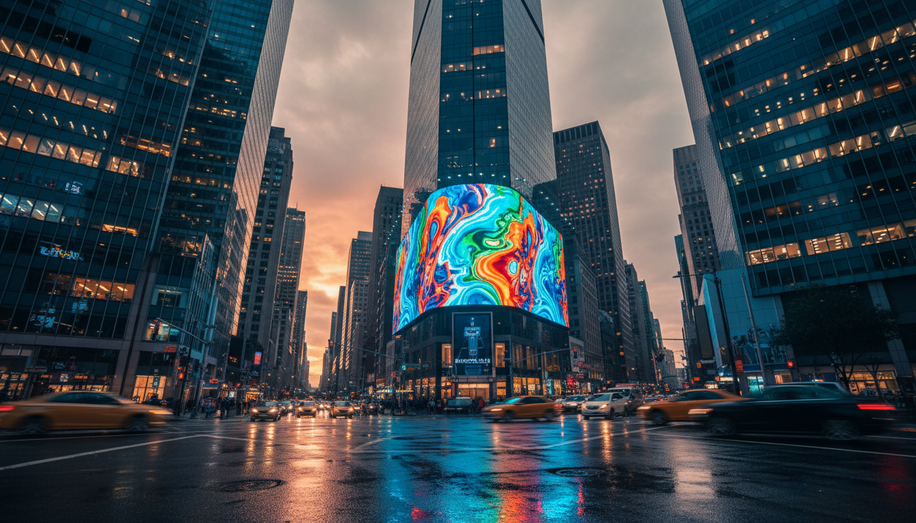

In the high-stakes world of out-of-home (OOH) advertising, where campaigns must seize attention in fleeting urban moments, the mockup stands as the unsung hero of pre-launch precision. These hyper-realistic visualizations transform abstract concepts into tangible previews, allowing creators to refine visuals, anticipate real-world performance, and win over skeptical stakeholders before a single poster hits the street. Far from mere digital sketches, OOH mockups bridge the gap between studio ideation and public spectacle, ensuring that bold ideas land with maximum impact.
The process begins with selecting the right tools and templates tailored to OOH’s diverse formats—billboards towering over highways, bus shelters nestled in pedestrian flows, or digital screens pulsing in Times Square. Platforms like Photoshop dominate for custom builds, where designers layer high-resolution assets onto 3D-rendered environments, adjusting for lighting, angles, and atmospheric conditions. Tutorials abound, guiding users through smart objects that seamlessly integrate artwork into PSD files of iconic locations, such as a SoHo vertical billboard rising against New York’s architectural chaos. More accessible options, like Canva’s generator or specialized sites from Hazard Mockups, democratize the craft, enabling rapid iterations in just a few clicks. Agencies elevate this further with proprietary visualizers, such as Global’s site selector, which lets users drop campaigns onto actual inventory from large-format A-Lists to transit hubs, complete with downloadable renders for client pitches.
What elevates a mockup from functional to indispensable is its realism. Advanced 3D simulations, as employed by firms like Drive Your Art, replicate environmental variables—sun glare at dusk, rain-slicked reflections, or crowd dynamics—to expose flaws invisible on flat screens. A Pepsi MAX activation mockup, for instance, might preview a vending machine dispensing footballs amid a laser-projected street pitch, forecasting how interactivity draws crowds. Similarly, Quaker Oats’ weather-responsive bus shelter ad, with QR codes offering temperature-tied discounts, demands mockups that simulate dynamic DOOH shifts based on real-time data like UK averages. These previews reveal if bold fonts and high-contrast colors pop at 60 mph or if minimalistic designs maintain clarity amid urban clutter.
Mockups profoundly inform creative decisions by surfacing issues early, averting print disasters that could cost thousands. Consider a billboard design: a 3D render might highlight how distant viewing distorts typography, prompting bolder scaling, or how contextual irrelevance dilutes messaging, urging ties to local weather, events, or time of day. In Grand Visual’s playbook, simplicity reigns—mockups enforce eye-catching visuals that evoke emotion, ensuring campaigns cut through competition with surprise elements like touch-sensitive Lego displays or Google Maps’ neighborhood-specific evolutions. By testing against real environments, creators achieve brand consistency and audience resonance, turning potential misfires into memorable hits.
For clients and stakeholders, mockups are persuasive powerhouses. A static PDF pales against an animated render of your campaign dominating a New York skyline, evoking the grandeur of high-rise dominance. Behance and Dribbble portfolios brim with such inspirations, from hyper-detailed street-level posters to panoramic highway spectacles, helping teams sell visions with visceral proof. This visualization fosters buy-in, aligns expectations, and accelerates approvals. As one agency notes, these tools let marketers “comprehend how their designs will appear in actuality,” bridging the imagination gap that often derails projects.
Yet the art of the OOH mockup demands more than technical prowess; it’s a strategic discipline. Overly polished renders can mislead, so pros layer in grit—subway grime, pedestrian shadows—to mirror lived reality. Programmatic DOOH adds complexity, requiring mockups that preview adaptive content, like time-sensitive messages or motion-triggered responses. Emerging trends push boundaries further: AI-driven generators could soon auto-populate scenes with hyper-local data, while AR overlays let stakeholders “walk through” virtual installations via mobile. Still, the human eye remains paramount, critiquing for emotional pull and shareability—will this spark social media buzz, like a surprise-effect ad?
Ultimately, masterful mockups don’t just visualize; they strategize. They safeguard budgets by nixing unviable ideas pre-production, amplify creativity through rapid prototyping, and position campaigns for outsized ROI. In an industry where first impressions are measured in seconds, the mockup ensures every launch is a masterpiece, not a misstep. As OOH evolves with digital innovation and interactivity, those who perfect this art will command the streets.