
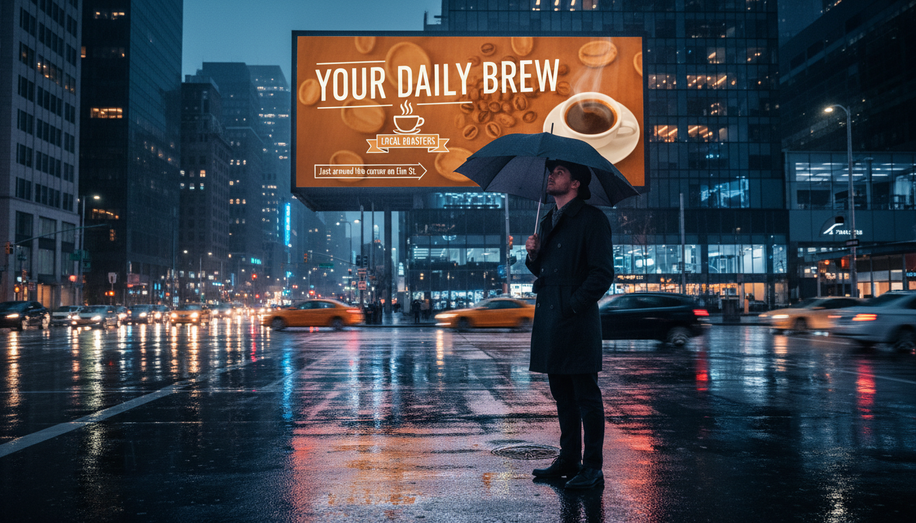

The out-of-home advertising industry is experiencing a fundamental shift in how it connects with consumers. Rather than relying on broad geographic reach, media buyers and brands are now embracing micro-location targeting, an approach that delivers the right message to the right audience at precisely the right moment by leveraging hyper-contextual data and real-time analytics.
This transition reflects a broader change in how the advertising industry measures success. As budgets tighten and demand for measurable returns intensifies, the old model of blanket city-wide coverage is giving way to precision-driven campaigns that prioritize relevance over reach. The foundation of this evolution rests on a simple but powerful insight: context matters more than impressions. A fitness-focused message resonates fundamentally differently when placed inside a gym compared to a generic billboard, and a luxury ski resort advertisement tailored for affluent travelers in San Francisco carries far more weight than a one-size-fits-all creative aimed at an undifferentiated audience.
The technological infrastructure enabling this precision has evolved dramatically. Smart billboards equipped with sensors, GPS data, and artificial intelligence now serve dynamically optimized creative based on real-time factors including traffic flow, weather conditions, and foot traffic patterns. Programmatic digital out-of-home buying allows marketers to access location-specific insights and audience movement data with unprecedented granularity, placing advertisements at moments when consumers are most receptive. These systems eliminate wasted impressions through what amounts to surgical targeting rather than hoping creative performs well by accident.
The scale of available targeting has reached extraordinary levels. Modern demographic microtargeting enables advertisers to focus on census block groups—geographic units containing approximately 600 to 3,000 people, or roughly two to six city blocks. At this micro scale, demographic homogeneity increases dramatically, meaning residents within the same block group often share remarkably similar income levels, education backgrounds, and household compositions. This level of granularity transforms how brands craft their messaging. A gym membership offer that resonates in an affluent suburb may completely miss the mark in a working-class neighborhood, not because people lack interest in fitness but because messaging, pricing, and value propositions must shift to match local economic realities.
Real-world results validate the approach’s effectiveness. Campaigns pairing foot traffic measurement with geofenced OOH targeting have demonstrated store visit increases as high as 37 percent. A regional grocery chain using spending pattern data to customize weekly circular advertisements by block group achieved a 28 percent increase in foot traffic across targeted locations and a 19 percent bump in average transaction value by emphasizing organic produce and premium brands in high-income areas while highlighting family meal deals and bulk pricing in middle-income neighborhoods. These successes underscore a critical truth: everyone may want groceries or fitness services, but not everyone wants them for the same reasons.
Geofencing technology has emerged as a cornerstone of this targeted approach, allowing businesses to define virtual boundaries around specific geographic areas and trigger location-based actions when mobile devices enter or exit these zones. This capability extends beyond retail to events, festivals, and industry conventions, enabling brands to reach highly engaged audiences already predisposed toward their products and services.
Consumer research validates the appeal of this localized approach. Seventy-seven percent of consumers want to see advertisements relevant to their location, according to Posterscope research. This preference reflects a broader shift in consumer expectations: people increasingly expect brands to understand their immediate context and deliver messages that feel naturally integrated into their environment rather than forced or generic.
As DOOH inventory expands into gyms, healthcare spaces, movie theaters, and vehicles, the opportunities for hyper-local relevance continue multiplying. Brands that master neighborhood-level personalization using local dialects, cultural symbols, and behavioral insights are discovering that precision targeting does more than improve metrics—it builds authentic connections between lifestyle, location, and brand experience that broader campaigns cannot achieve.