
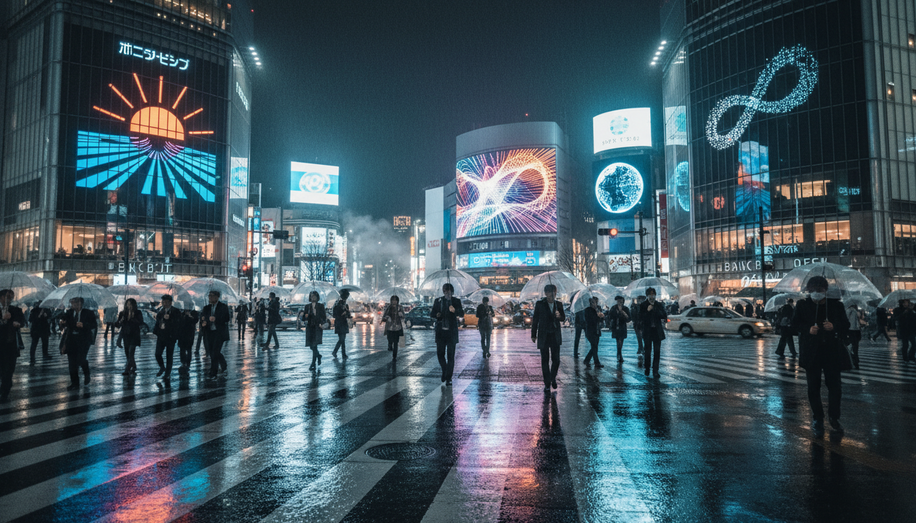

In the bustling rhythm of urban life, where commuters dart between subway cars and drivers navigate endless traffic, out-of-home (OOH) advertising has evolved from static billboards into dynamic storytelling machines. Visual storytelling in OOH transcends single placements, weaving narrative arcs across multiple touchpoints to mirror the audience’s journey. Imagine a campaign that unfolds like a film reel as a viewer travels from airport to city streets: each ad builds tension, reveals character, and delivers a climax, leaving an indelible brand imprint. This sequential approach, rooted in classic narrative structure—setup, confrontation, resolution—capitalizes on the “3 Second Rule,” ensuring instant impact while fostering deeper emotional connections over time.
The power of such campaigns lies in their ability to serialize a story, turning passive glances into active anticipation. Consider how brands like Old Spice disrupted expectations with contextual twists in their OOH efforts, playing with audience assumptions to heighten visibility. In a multi-placement arc, the first ad serves as the inciting incident: a bold visual hook with high-contrast colors and minimal text that poses a provocative question. As audiences encounter subsequent placements—perhaps a bus shelter panel escalating the drama or a digital billboard resolving the tension—the narrative gains momentum. This isn’t mere repetition; it’s progression. Data from OOH best practices underscores that campaigns with contextual relevance, tailored to locations and real-time events, boost recall by leveraging the viewer’s physical movement as the plot’s engine.
Crafting these arcs demands meticulous planning, starting with a singular, crystal-clear objective. Brands must distill their message into one compelling idea, avoiding the trap of overcrowding vast canvases with excessive copy or graphics. Simplicity reigns: strategic whitespace, visual hierarchy guided by movement or bold contrasts, and color psychology to evoke precise emotions. For instance, a vibrant hue in the opening placement grabs attention amid gray commutes, while shifting values in later ads build emotional depth. Copy remains punchy—benefit-oriented headlines paired with calls to action like QR codes that propel the story online, augmenting the physical experience with augmented reality layers. This integration of digital extensions ensures the narrative doesn’t end at the street corner but lingers in apps and social feeds, amplifying reach.
Real-world mastery shines in campaigns that harmonize creativity with brand consistency. Take a hypothetical luxury watchmaker launching a “Time Unraveled” series: the airport billboard introduces a shattered clock face, symbolizing disrupted routines, with a tagline whispering, “What if time waited for you?” As travelers board trains, shelters reveal threads weaving the shards into a new form, hinting at resilience. By the urban core, towering digital screens climax with the intact watch, timestamped to local events, urging “Reclaim yours now” via scan. Here, strong visuals do the heavy lifting—showing, not telling—while maintaining logo placement and tonal voice. Such arcs exploit OOH’s immersive scale, where eye-catching imagery resonates emotionally, far outpacing cluttered designs.
Yet, execution hinges on location intelligence. Placements must align with audience flow: high-speed highways favor setup visuals readable at 60 mph, while pedestrian zones allow confrontation’s nuance. Programmatic OOH enables real-time tweaks, syncing ads to weather or trends for hyper-relevance, as seen in weather-responsive boards that adapt narratives on the fly. Interactivity elevates further—3D installations or facial recognition triggering personalized story beats—transforming viewers into protagonists. The result? Memorable surprises that spark shares, extending the arc virally.
Critically, these campaigns thrive when they balance boldness with restraint. Overselling kills the mood; instead, each placement leaves audiences wanting more, priming them for the next reveal. Storytelling OOH doesn’t just advertise—it narrates cultural moments, embedding brands in daily journeys. As one industry expert notes, “OOH is the prologue to a larger tale,” with URLs or codes inviting continuation. In an era of fleeting digital scrolls, this spatial serialization cuts through, forging lasting impressions.
Ultimately, visual storytelling arcs in OOH redefine advertising as participatory theater. By choreographing placements into rising action, peak drama, and satisfying payoff, brands don’t just capture eyes—they hijack imaginations. The lesson for creators is clear: in a medium defined by motion, make your story move with it. As audiences traverse touchpoints, they’ll carry not just a message, but a narrative that resonates long after the last billboard fades from view.
Successfully orchestrating these intricate OOH storytelling arcs, demanding precise timing and contextual relevance across the audience’s journey, requires sophisticated management. Blindspot directly facilitates this with powerful location intelligence and site selection, meticulously placing each narrative beat to align with audience flow, while programmatic DOOH campaign management enables real-time adaptation and seamless story progression across diverse touchpoints. This ensures brands can dynamically choreograph their visual narratives for maximum impact and sustained engagement. Learn more at https://seeblindspot.com/