
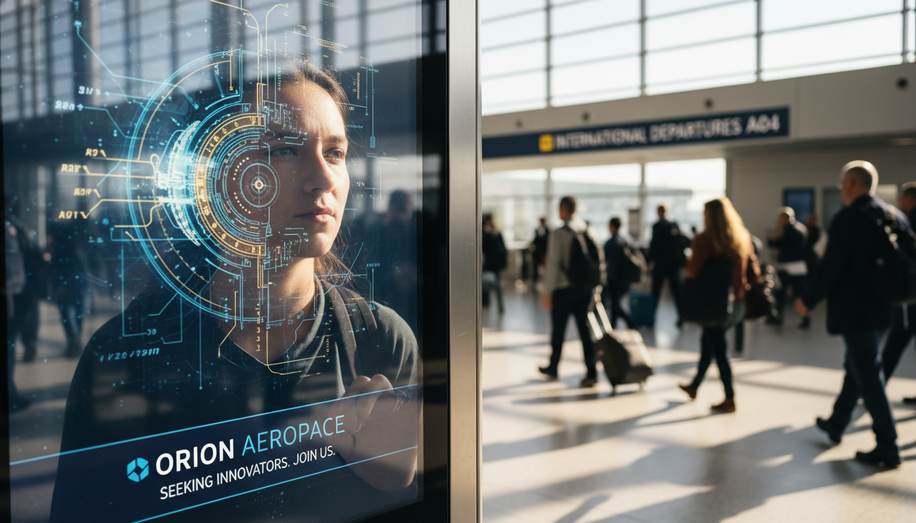

In an era where digital job boards flood resumes from the masses, out-of-home (OOH) advertising cuts through the noise by planting recruitment messages precisely where niche talent lives, works, and commutes. For companies chasing specialized professionals—think quantum computing engineers, forensic accountants, or sustainable materials chemists—traditional online tactics often fall short. OOH, with its hyper-local physical placements, transforms billboards, transit ads, and digital screens into precision tools that intercept candidates in their daily habitats, leveraging context to spark immediate interest.
Consider the power of location intelligence. A biotech firm seeking rare virologists might position digital OOH displays near research hubs like Boston’s Longwood Medical Area or San Diego’s Torrey Pines corridor. Here, ads don’t just announce openings; they resonate with the environment. A stark digital billboard flashing “Pioneering mRNA Therapies: Join Our Lab Now – Roles for PhD Virologists” amid white-coated commuters on the MBTA Green Line doesn’t feel like generic spam—it’s a siren call tailored to passersby’s expertise. Data from recent campaigns underscores this: Recruitics reports that OOH recruitment ads near professional clusters yield 30% higher engagement rates than broad digital blasts, as they capitalize on “proximity bias,” where candidates respond more favorably to opportunities close to their current orbits.
Contextual relevance amplifies this targeting. For niche roles in cybersecurity, placements inside subway cars serving tech districts like New York’s Flatiron or London’s Silicon Roundabout deliver messages during downtime when minds wander to career moves. Wilkins Media’s analysis of OOH for hiring shows that transit ads with QR codes linking to specialized application portals see scan rates up to 15% in urban professional zones, far outpacing static highway billboards. The key is layering demographics: geo-fencing tools from platforms like Fliphound allow advertisers to sync digital OOH rotations with peak commute times for, say, AI ethicists flowing from Stanford to Mountain View, ensuring the message—”Ethical AI Architects Wanted: Shape Tomorrow’s Guardrails”—hits when decision-makers are most receptive.
Real-world successes illustrate the strategy’s edge. When a major defense contractor needed embedded systems engineers, they deployed bus bench ads along routes to aerospace suppliers in Huntsville, Alabama, featuring cryptic teasers like “Decode the Future: SCIF-Cleared Roles Open.” The campaign, contextualized by nearby military tech parks, generated 250 qualified leads in weeks, per internal metrics shared at OAAA conferences. Similarly, a renewable energy startup targeting marine engineers placed wraps on ferries crossing Puget Sound, blending scenic commutes with calls like “Harbor the Tide: Naval Architects for Offshore Wind.” Helio’s case studies note such placements boosted applications by 40%, as the water-bound context mirrored candidates’ professional worlds.
Beyond billboards, diverse OOH formats enable surgical strikes. Street furniture like kiosks near co-working spaces in Austin’s tech scene can showcase interactive DOOH for game developers, with touchscreens inviting quick portfolio uploads. Zeely.ai highlights how programmatic DOOH, which dynamically swaps creatives based on weather, events, or time, targets even narrower slices—such as placing “Forensic Data Analysts: Uncover Truths with Us” on screens outside federal courthouses during trial seasons. This isn’t scattershot; it’s behavioral targeting in the physical realm, where OH Partners reports a 25% lift in niche hires for clients using audience mapping software to align placements with professional events like SPIE Photonics conferences.
Of course, execution demands precision. Creatives must be bold yet specific: concise headlines under 10 words, paired with visuals evoking the role’s allure—circuitry glows for hardware specialists, molecular models for chemists. Calls-to-action should drive to mobile-optimized microsites, as Toggl’s recruitment playbook emphasizes, converting impulse views into applications. Budget-wise, niche OOH shines in cost-per-impression: a four-week run near a specialized hub might cost $50,000 but deliver leads at $200 each, versus LinkedIn’s $500+ for equivalent qualified traffic.
Challenges persist—measuring attribution requires robust tracking like unique URLs or NFC tags—but tools from The Neuron are closing the gap, with AI-driven analytics proving OOH’s ROI through footfall data and cross-channel lifts. For recruiters battling talent shortages in fields like blockchain auditing or neurodiversity specialists, OOH isn’t just advertising; it’s infiltration. By embedding job lures into the geographic and contextual DNA of niche professionals, companies don’t wait for applications—they provoke them, turning everyday journeys into career pivots. As competition for specialized skills intensifies, those mastering OOH’s targeted placements will claim the edge in the war for tomorrow’s talent.
This strategic approach to OOH demands advanced tools. Platforms like Blindspot empower recruiters with granular location intelligence and programmatic DOOH management, ensuring job lures are precisely aligned with niche talent’s daily orbits. By offering real-time performance tracking and ROI measurement, Blindspot helps optimize these surgical strikes, turning every commute into a potential career breakthrough. https://seeblindspot.com/