
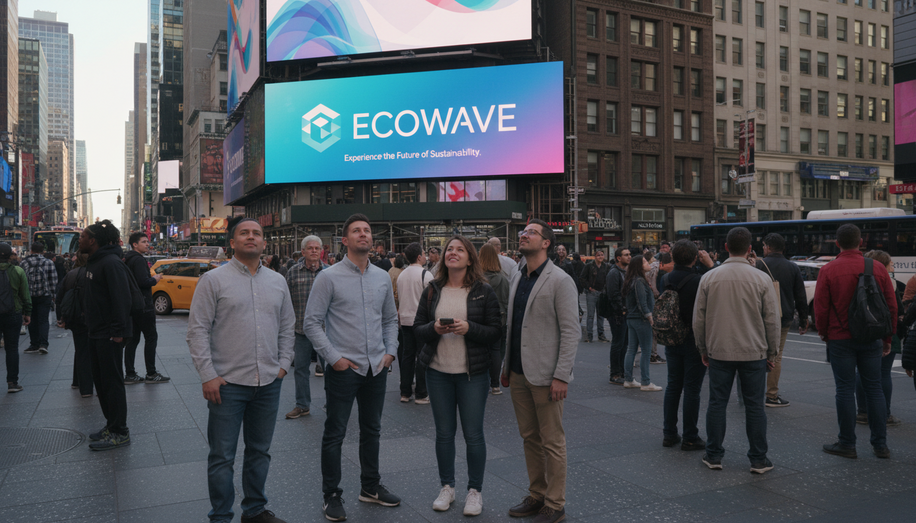

In the bustling heart of Tokyo, a towering digital billboard by Nike transformed a simple shoe launch into a global spectacle. A virtual shoebox periodically creaked open, revealing spinning Air Max sneakers in vivid 3D, drawing crowds who captured the suspenseful reveal on their phones, propelling the campaign to viral fame. This is experiential out-of-home (OOH) advertising at its peak: not just seen, but felt, shared, and remembered long after the moment passes. Brands are increasingly ditching static billboards for immersive setups that blur the line between ad and adventure, turning city streets into interactive playgrounds.
Experiential OOH thrives on participation, leveraging high-traffic spots like stadiums, bus shelters, and urban squares to foster genuine engagement. At major events, LED screens in arenas flash real-time stats, replays, and gamified promotions, capitalizing on dwell times and emotional highs to cement brand loyalty. Guerrilla tactics amplify this further—pop-up installations, street art flash mobs, and AR projections surprise passersby, sparking organic social shares. Studies indicate these unconventional approaches boost brand recall by up to 30 percent, slicing through digital fatigue with tangible surprise. Interactive kiosks and touch-enabled displays extend the magic, increasing dwell time by 20 to 40 percent as users demo products or snap selfies for contests.
Technology supercharges these encounters, with augmented reality (AR) leading the charge. Digital signs now overlay virtual elements onto the real world via smartphones, turning any facade into a dynamic canvas. The NHS campaign exemplified this emotional pull: users scanned a poster to “donate” virtual blood, watching it flow to animated patients, forging instant empathy and action. Similarly, Kinder’s Web AR safari portal at retail outposts let families discover 3D animals with fun facts, delivering app-free immersion that spiked engagement. These AR experiences create bonding moments, as instant feedback from interactions leaves lasting positive imprints.
Weather-smart digital OOH (DOOH) adds contextual relevance, activating ads precisely when they resonate. Rain-X timed downpours to trigger windshield ads for their water-repellent spray, blending message with meteorology for timely persuasion. Aperol Spritz went sprightly, unleashing promotions only above 66°F near bars, aligning sunny vibes with cocktail cravings and maximizing foot traffic. Such programmatic precision ensures ads feel organic, not intrusive, transforming public spaces into brand-aligned environments.
Real-world campaigns showcase the payoff. IKEA tackled Stockholm’s fickle summers by installing cozy outdoor seating with branded umbrellas and heaters at underused cafes, solving a local pain point while reinforcing their home-comfort ethos. The multifaceted push—OOH visuals, pop-ups, and influencers—drove visibility and loyalty, with plans for expansion. Kiehl’s adventured into experiential territory with pop-up stores tied to rugged OOH ads, positioning skincare for thrill-seekers and earning widespread buzz. Paramount Pictures tapped nostalgia via “Mean Girls” transit wraps on buses and subways, flooding commuter paths with iconic quotes that hyped the film through repeated, grin-inducing exposure.
Retailers have mastered location-based immersion too. A global beverage brand’s AR billboards spun interactive stories, lifting recall by 30 percent. Decathlon’s “Outage? Get outside” urged screen-weary folks to play, using street furniture to ignite real-world activity. Even Britannia’s “Nature Shapes Britannia” molded biscuits into natural forms on urban displays, merging whimsy with wonder. These efforts prove experiential OOH excels in high-density zones—street furniture like benches and kiosks in pedestrian hubs, transit wraps for captive riders—where durable, interactive prints withstand the elements while inviting touch and scans.
The fusion of physical and digital is dissolving boundaries entirely. Holographic city squares and metaverse-linked billboards let users unlock virtual layers via phone, extending OOH into endless realms. During global events like those eyed for Philadelphia in 2026, concentrated crowds offer prime real estate for such activations, amplifying reach exponentially. Guerrilla 3D stickers and wrapped objects generate buzz, while QR codes funnel users to deals, sustaining the experience online.
Yet success demands strategy: align with cultural moments, like Apple’s Olympic-timed ads capitalizing on foot traffic surges. Prioritize inclusivity—accessible designs earn accolades and broaden impact. Measure via dwell analytics, shares, and footfall lifts to refine future hits. As urban life accelerates, experiential OOH stands out by slowing us down for meaningful pauses.
This evolution signals OOH’s renaissance—not mere visibility, but visceral connection. Brands mastering immersion don’t just advertise; they orchestrate moments that linger in memory and multiply through shares, redefining public spaces as canvases for collective wonder. In 2026, as interactive formats proliferate, the most memorable campaigns will be those that make us not just look, but leap in.