
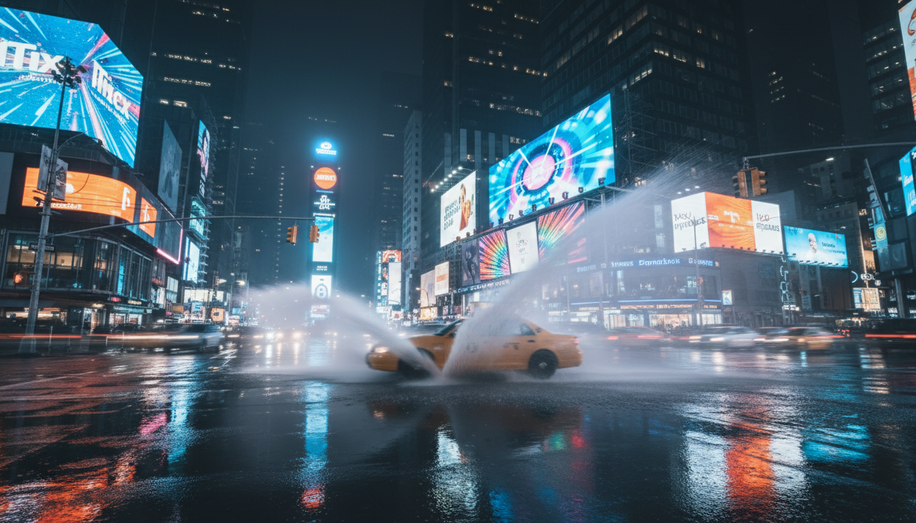

Out-of-home advertising has long been a canvas for bold creativity, turning city streets, transit hubs, and public spaces into unforgettable brand experiences. In an era dominated by digital scrolls, award-winning OOH campaigns stand out by commanding physical attention, sparking conversations, and driving measurable results. These successes hinge on a few key elements: hyper-local relevance, immersive interactivity, seamless integration with social media, and visuals that hijack everyday moments to etch brands into collective memory.
Consider KitKat’s 2025 Cannes Lions Outdoor Grand Prix winner, which transported a taste of Australia to the UK’s bustling streets without uttering a single word. Billboards and subway wraps featured the chocolate bar’s iconic red packaging snapped dramatically in half, evoking its “Have a Break” ethos through imagery alone. The simplicity was genius—passersby instantly recognized the product, pausing mid-stride to snap photos that amplified the campaign virally across platforms. This restraint proved OOH’s power in familiarity; no tagline was needed because the visual shorthand cut through urban noise, boosting brand recall and sales in a competitive confectionery market.
HOKA’s Manhattan desert takeover took immersion to literal extremes, transforming a city block into a Joshua Tree-inspired mirage for 48 hours to launch its Mafate X trail shoe. Native flora, swirling wind, rocky paths, and a central treadmill created a sensory shift from concrete jungle to arid wilderness. Runners stepped onto the installation, where Unreal Engine visuals synced real-time desert trails to their pace, with dynamic lighting mimicking dawn to dusk. The stunt drew crowds, generated organic social buzz, and positioned HOKA as an innovator in running culture, proving that experiential OOH can blur advertising with event, fostering deeper consumer engagement than static screens ever could.
Creativity often thrives in constraint, as seen in the Alzheimer’s Foundation’s poignant digital-OOH hybrid. A familiar smartphone interface on billboards glitched to mimic memory loss, with apps and photos fading in and out unpredictably. This subtle horror resonated during commutes, humanizing the cause and prompting shares that extended reach exponentially. Similarly, a water brand’s digital billboard in 2025 made waves—literally—by syncing projections with real sidewalk “spills” that mimicked cascading waterfalls. Crowds gathered as the illusion activated, turning a static ad into a live spectacle that went viral within 24 hours, demonstrating how technology amplifies OOH’s physical presence to create shareable wonder.
Historical precedents underscore these tactics’ timeless appeal. Mastercard’s transit-focused push leveraged everyday taps on buses to illustrate frictionless payments, targeting high-income commuters in Washington D.C. with messaging that extended beyond rides to daily transactions. The campaign built perception lift by embedding the brand in routine motions, much like Glossier’s street dominance in New York, where consistent bus-side placements informed Sephora availability and skyrocketed awareness for the direct-to-consumer beauty disruptor. Zenni Optical blanketed MTA buses across all depots for a reach-and-frequency blitz, outselling rivals like Warby Parker in sales but closing the fame gap through sheer visibility.
Interactive elements elevate awareness to action, as in the Deep Time/Fossil Hall museum campaign. Targeting D.C. families with kids under 12, it featured actual children’s dinosaur drawings on billboards, tugging heartstrings to lure visitors back post-pandemic. Georgia State University handed out logoed face masks at Atlanta Airport under “Travel like a Panther,” blending utility with branding during COVID travel. Pedigree’s street dispensers offered free poop bags alongside ads, turning pet owners’ necessities into goodwill generators.
What unites these campaigns is strategic audacity: they don’t just advertise; they infiltrate daily life. The Economist’s witty bus shelter illusions, Nike’s escalator “sabotage,” and McDonald’s sundial fries billboard each hijacked environments for surprise, earning awards through cultural penetration. Mahalo Heating and Air Conditioning’s story exemplifies ROI, becoming an outdoor advertising legend via targeted placements that fueled explosive growth. Clear Channel’s library of over 100 cases, including Spotify Wrapped’s transit dominance, shows OOH’s measurement edge when paired with mobile and social amplification.
Ultimately, success stems from understanding audience rituals—commutes, waits, walks—and subverting them memorably. Amid 2025’s standout activations, these campaigns remind advertisers that OOH excels when it feels less like an ad and more like an unmissable moment, yielding awareness, footfall, and loyalty that digital alone struggles to match. As urban spaces evolve, so will the next wave, but the formula remains: be bold, be relevant, be unignorable.