

In the fragmented landscape of modern marketing, out-of-home (OOH) advertising has evolved from a standalone medium into a pivotal connector within multichannel strategies, bridging the gap between physical and digital worlds to amplify reach and engagement. Far from the static billboards of the past, today’s OOH—particularly digital out-of-home (DOOH)—offers dynamic, data-driven capabilities that allow brands to target audiences with precision, retarget them across devices, and measure outcomes in real time, making seamless integration not just possible but essential for competitive edge.
Consider the synergy between OOH and mobile advertising, a pairing backed by compelling data. Consumers exposed to the same campaign on DOOH screens are 48% more likely to engage with subsequent mobile ads, according to Ocean Neuroscience research. This uplift stems from an audience-based approach where advertisers first define their target—say, affluent car buyers—and then deploy impressions dynamically across urban panels in the morning or highway bulletins in the evening, precisely when and where those audiences congregate. Platforms like OUTFRONT Media’s Digital Direct Ad Server exemplify this, leveraging proprietary tools such as smartSCOUT to identify DOOH inventory that over-indexes for specific demographics, then extending the campaign via cross-platform retargeting on smart devices.
This integration extends frequency and reach exponentially. When devices enter a DOOH “viewshed”—the geographic window where an ad is visible—matching audience members can be tracked and retargeted on their mobiles, layering additional exposures atop the initial OOH impression. Conversely, non-exposed targets can be pulled into the mobile buy, broadening the campaign’s footprint. The result? A 76% action rate on mobile devices following OOH exposure, per OAAA and Morning Consult data, and store traffic lifts of 2.5 times compared to single-channel efforts, as shown by S4M studies. Such metrics dismantle silos, ensuring creative consistency while unlocking holistic measurement of brand awareness, recall, and visitation.
OOH’s role expands further when paired with social media and TV, creating a multichannel ecosystem that follows consumers across their journeys. In a world of ad-skipping and endless scrolls, OOH’s unmissable presence—reaching 90% of the U.S. population monthly, per Nielsen—cuts through clutter, priming audiences for deeper digital interactions. Clear Channel Outdoor highlights how digital roadblocks synchronize OOH blasts across markets, fueling shareable social moments that extend campaign life organically. A billboard glimpsed on a commute might prompt a social media check-in or story share, while TV spots direct viewers to interactive digital hubs, with OOH providing the visual anchor.
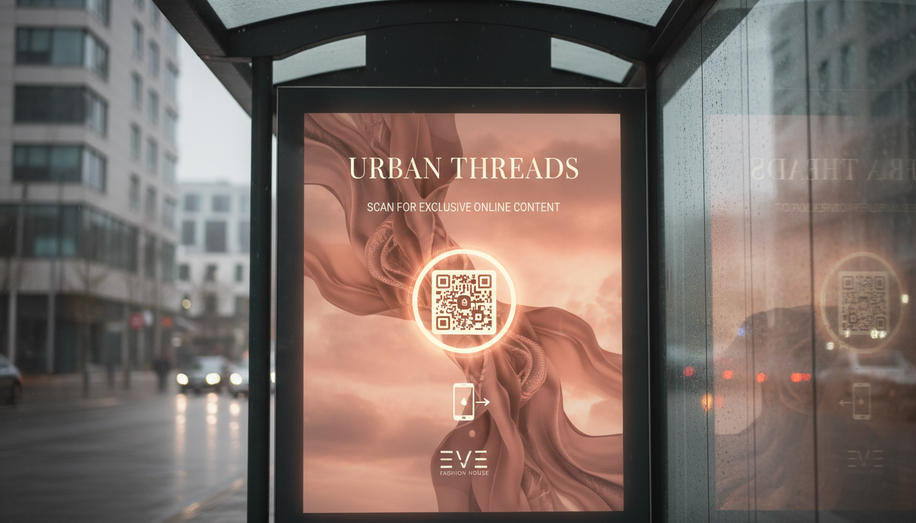
Bishopp Outdoor Advertising underscores the multichannel mix of OOH, TV, and digital as a ROI booster, expanding reach to consumers in motion, at home, or online. OOH captures those on the move—driving, walking, or transiting—while TV forges emotional bonds and digital hones targeting via demographics and interests. Interactive elements like QR codes on billboards bridge the channels instantly, urging passersby to scan for exclusive content, app downloads, or e-commerce links. OneScreen’s measurement tools take this further, quantifying foot traffic, web lift (up 20%), and sales growth (up 10%) post-OOH exposure, empowering agencies to refine strategies with data once elusive in outdoor media.
Programmatic advancements and data integrations are accelerating this convergence. DOOH now supports sequential messaging, mirroring social content in real-world displays or retargeting across mobile and connected TV (CTV), maintaining narrative continuity from highway to homepage. Mobile billboards and digital strategies saturate key locations with physical and proximity-based digital content, hitting audiences where they spend 70% of their time outside home. For luxury brands, this might mean subway panels near high-fashion hubs; for sports marketers, gameday highway dominance.
Yet integration demands more than technology—it requires strategic orchestration. Media owners like do it outdoors offer customized multichannel plans blending static, digital, and mobile formats for market domination. Agencies with comprehensive OOH databases, like OneScreen, ensure optimal placement and creative harmony, turning fragmented efforts into unified narratives. The payoff is clear: OOH doesn’t compete with digital; it elevates it, driving engagement in an attention economy where consumers navigate multiple screens daily.
As brands navigate 2026’s media complexity, OOH stands as the amplifier, not the relic. By weaving it into broader strategies, marketers achieve not just visibility but verifiable impact—proving that the most powerful campaigns are those that meet audiences wherever they roam, online and off.