
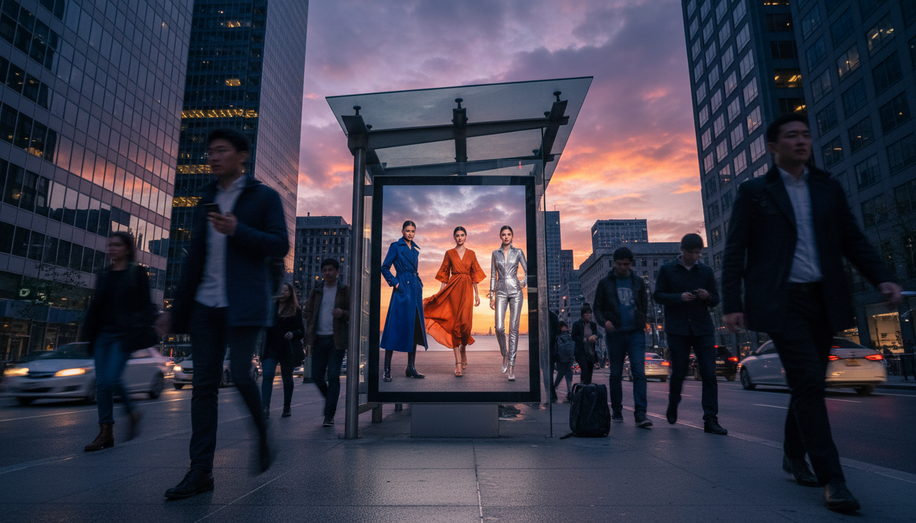

5G technology is reshaping digital out-of-home (DOOH) advertising by delivering unprecedented speeds, ultra-low latency, and massive connectivity, enabling real-time content updates, hyper-personalized targeting, and immersive interactive experiences that were previously impossible. This fifth-generation wireless network, capable of data speeds up to 10-60 gigabits per second and near-zero latency, surpasses 4G limitations, supporting complex applications like augmented reality (AR) and virtual reality (VR) directly on outdoor screens. As 5G networks expand— with projections estimating 15% global mobile adoption by 2025— advertisers gain tools to transform static billboards into dynamic, responsive platforms that engage passersby in meaningful ways.
At the heart of this evolution is enhanced targeting and data collection. Traditional outdoor advertising relied on broad demographics and fixed messaging, but 5G empowers precise, context-aware delivery. Digital billboards can now integrate location data, weather triggers, and real-time events to serve tailored content instantly. For instance, a restaurant might promote breakfast specials in the morning and switch to dinner deals by evening, or a retailer could advertise umbrellas during rain showers and ice cream on sunny days. Sports venues benefit too: a sports drink brand could ramp up ads around a stadium on game day, while screens update live scores or ticket availability without delay. This agility stems from 5G’s ability to handle massive data flows, allowing beacons and IoT devices near billboards to detect nearby smartphones and serve personalized messages based on user preferences, proximity, or even mood inferred from movement patterns.
Data collection amplifies these capabilities, turning DOOH into a measurable medium. With 5G’s high-bandwidth connectivity, screens equipped with cameras or sensors—like facial recognition or eye-tracking—can gather anonymized insights on audience dwell time, demographics, and reactions. British Airways’ “Magic” billboard, for example, used real-time flight tracking to highlight overhead planes, blending physical location with digital overlays to captivate viewers. Similarly, Women’s Aid’s campaign employed geofencing and facial recognition to deliver impactful messages on domestic violence, prompting immediate engagement via push notifications. These interactions feed back into analytics loops, enabling advertisers to refine campaigns on the fly. Experts note this creates “addressable and measurable” advertising, a game-changer that makes DOOH as nimble as online platforms while retaining massive physical reach.
Interactivity takes this further, fostering two-way communication that boosts engagement. 5G’s low latency supports reactive billboards that respond to gestures, voice commands, or app interactions, evolving from one-way broadcasts to conversations. Picture a Times Square screen where passersby use a companion app for selfies, product trials, or streaming content, all synced seamlessly. AR/VR integration adds immersion: consumers could scan a billboard to overlay virtual try-ons of products, like clothing or makeup, directly in their environment, enhancing buyer confidence and conversions. Dash Two highlights how this enables “hyper-personalization,” where gamers near an event see tailored ads, breaking through clutter with relevant messaging that cuts costs and lifts responses.
Real-world deployments underscore the potential. New York’s TSX Broadway features massive LED screens with dynamic crowns and high-definition displays, primed for 5G-driven features like real-time optimization and AI-enhanced creativity. These setups converge speed, data, location, and storytelling, as industry voices like Orowitz emphasize: dynamic messaging allows brands to tell full narratives rather than static images, opening “a whole new world” of physical-space interactions. Looking ahead, interactive “self-aware” signage could detect needs—promoting coffee to hurried commuters or event tickets to crowds—making ads additive rather than intrusive.
Yet, challenges persist. Upgrading infrastructure for 5G compatibility demands significant investment in LED panels and networks, while weather can disrupt outdoor signals. Privacy concerns loom large: ethical data use, especially with facial recognition and location tracking, requires robust regulations to maintain consumer trust. Brands must partner with tech specialists to navigate these hurdles, ensuring compliance amid growing scrutiny.
Despite obstacles, the trajectory is transformative. By 2025, the global outdoor advertising market could reach $43.34 billion, fueled by DOOH’s data-driven flexibility. 5G paves the way for IoT-triggered personalization, metaverse bridges via AR, and gesture-responsive displays, positioning early adopters as leaders. As Essex from TechHQ envisions, the convergence of speed, data, and creativity will yield “smarter” advertising that adds value—images popping off screens at light speed, turning urban landscapes into living canvases. For OOH professionals, embracing 5G isn’t optional; it’s the key to dynamic, deeply engaging campaigns that redefine audience connections in a hyper-connected era.
To fully unlock the promise of 5G-driven DOOH, platforms like Blindspot are critical, providing the analytics and management tools necessary for this new era. By offering real-time campaign performance tracking, granular audience measurement, and robust ROI attribution, Blindspot empowers advertisers to navigate data complexities and optimize their hyper-personalized, dynamic campaigns with unparalleled precision. Learn more at https://seeblindspot.com/