
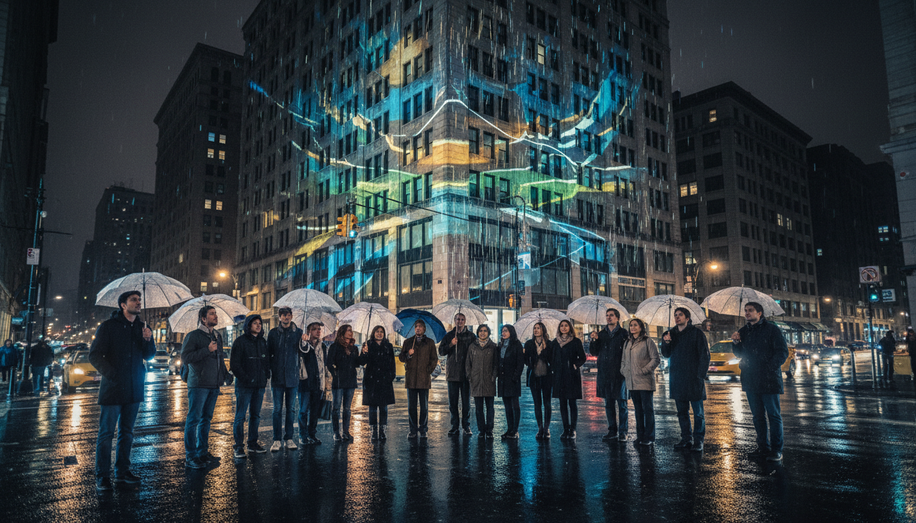

In the bustling streets of modern cities, where consumers navigate daily commutes and urban adventures, out-of-home (OOH) advertising is evolving beyond static billboards into immersive experiences that capture attention and linger in memory. Experiential OOH campaigns, blending physical interactivity with digital innovation, are surging in popularity as brands recognize the power of turning passive glances into active engagements. This shift reflects a broader craving for authenticity in an era saturated with digital noise, where people spend more time outdoors amid urbanization and heightened mobility.
The rise of these campaigns stems from technological leaps like LED displays, augmented reality (AR), and interactive screens, enabling personalized, real-time interactions unimaginable just years ago. Digital out-of-home (DOOH) formats now refresh content dynamically—adapting to weather, time of day, or audience demographics—while programmatic buying ensures precise targeting. Guerrilla tactics, such as pop-up installations, street art, flash mobs, and AR-powered bus shelters, surprise passersby and spark organic sharing, with studies showing up to 30 percent higher brand recall compared to traditional ads. At high-dwell venues like stadiums and transit hubs, brands layer gamification and social media tie-ins, transforming ad spaces into emotional touchpoints that amplify exposure during live events.
What sets experiential OOH apart is its multisensory approach, engaging sight, sound, touch, smell, and even taste to forge deeper connections. Dynamic lighting and bold graphics draw crowds, ambient audio sets moods, textured surfaces invite exploration, branded scents evoke nostalgia, and tasting stations turn ads into participatory moments. A global beverage brand’s AR-enabled billboard, for instance, invited interactive storytelling via smartphones, yielding a 30 percent lift in recall and driving viral social shares. Retailers have similarly used location-based offers on interactive kiosks to boost foot traffic, proving these activations deliver measurable returns on investment (ROI) and experience (ROE).
Brands succeed by prioritizing people-centric design, crafting intuitive flows that guide visitors through accessible pathways to hero zones—hands-on demos, gamified challenges, or selfie contests that extend dwell time by 20 to 40 percent. Personalization elevates this further: data integration via QR codes, app check-ins, or motion-sensing screens tailors messaging to individual profiles, capturing leads and enabling post-activation follow-ups. In urban street furniture like bus stops or bike racks, AR overlays blend digital content with the real world, turning mundane waits into brand adventures that lodge in consumers’ memories.
This trend thrives on context-aware strategies. Hyper-local targeting leverages location data and real-time analytics to align campaigns with neighborhoods, events, or weather, while AI optimizes creatives on the fly. At events, expo zones shift from booths to interactive activations, fostering community through purpose-led touchpoints that educate, entertain, and convert. Modular, sustainable materials ensure these setups are durable for outdoor rigors yet adaptable for pop-ups or retail extensions, aligning with 2026’s emphasis on eco-conscious immersion.
For brands eyeing implementation, start with strategic placement in high-traffic zones to maximize reach, then infuse interactivity—touch-enabled kiosks for product trials, AR filters for social sharing, or 3D holograms that blur physical and digital realms. Test sensory elements rigorously: a subtle scent might deepen emotional recall, while gamified contests boost shares. Measure success through dwell time, conversions, and qualitative feedback, refining with audience intelligence for future precision. Inclusive design, accessible to diverse demographics, not only broadens impact but garners accolades, as seen in city-wide campaigns lauded for reach and equity.
Looking ahead, 2026 promises even bolder fusion: smart city integrations with IoT for seamless data flows, metaverse links extending OOH to virtual spaces, and widespread AR/3D for lifelike interactions. As boundaries dissolve, experiential OOH positions brands as cultural participants, not interrupters. Consumers on the go—rushing through transit hubs or lingering at events—crave these memorable pauses, where a bus shelter projection or stadium LED syncs with their world.
The payoff is clear: these campaigns cut through clutter, build loyalty, and drive action. In a year demanding relevance, brands that master experiential OOH will not just be seen—they will be felt, shared, and remembered long after the commute ends.