
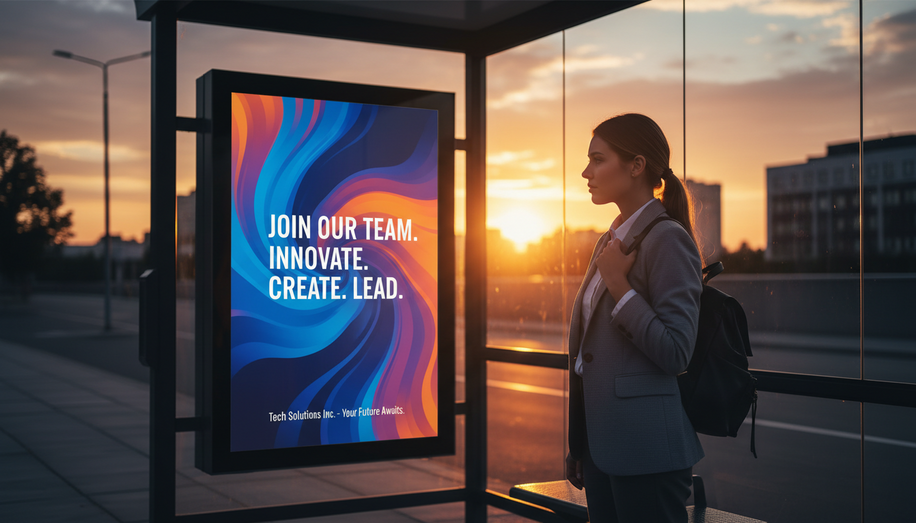

In the fiercely competitive talent market of 2026, where digital job boards overflow with listings and passive candidates scroll endlessly online, out-of-home (OOH) advertising is carving out a fresh path for companies desperate to stand out. Billboards, transit wraps, and digital mobile displays are no longer just for consumer brands; they’re potent recruitment weapons that build employer brand awareness, vividly showcase company culture, and propel applications for hard-to-fill roles. This analog approach cuts through the noise, reaching job seekers in their daily routines—commuting, shopping, or driving—where messages linger longer than fleeting social media posts.
The data underscores OOH’s recruitment muscle. A striking 75% of people who spot a job-related outdoor ad take action, from Googling the company to visiting its careers page or even sharing the opportunity with friends. Even more compelling, one in three viewers applies directly after seeing such an ad, a response rate that eclipses many digital channels saturated by algorithmic fatigue. Recent surveys reveal 57% of adults recall employment OOH ads, with 35% encountering one in the past month alone, particularly resonating with Gen Z, men, and urban dwellers—precisely the demographics often elusive in traditional hiring funnels. Companies like Amazon deploy OOH during seasonal hiring surges, blanketing transit hubs and highways to tap commuters at peak vulnerability, while Watco and Tillamook have filled supply chain and dairy roles via targeted billboards in high-traffic zones.
What makes OOH shine for employer branding? Its sheer inescapability. Unlike skippable online banners, a towering billboard or bus wrap commands attention for seconds that feel eternal to a driver stuck in traffic. This visibility fosters broad awareness, positioning your firm as an innovative employer before candidates even think about applying. To showcase culture effectively, ads must pulse with authenticity: vivid images of diverse teams collaborating in vibrant offices, testimonials from beaming employees, or cheeky slogans like “Escape the 9-to-5 Grind—Join Our Adventure.” Grainger nailed this with gas station ads touting high-paying trucking gigs, blending practical perks with aspirational vibes to hook blue-collar pros mid-pump. Transparency seals the deal—48% of job seekers respond most to ads spotlighting wages, while 39% prioritize benefits, proving that blunt honesty about compensation and perks trumps vague promises.
Strategic placement amplifies these efforts, turning everyday spaces into recruitment goldmines. Billboards in bustling urban corridors capture professionals en route to work, while transit ads on buses, subways, and shelters hit commuters during their captive morning slogs. Digital mobile billboard trucks take mobility further, prowling business districts, college campuses, or job fairs to deliver hyper-targeted messaging—ideal for roles needing niche skills, like the Laramie County Sheriff’s Office, which lured Denver cops with rural lifestyle pitches on Wyoming-bound routes. Posters in gyms, airports, shopping centers, and railway stations extend reach to off-hours audiences, blending high visibility with demographic precision. For maximum impact, layer in creativity: guerrilla stunts like flash mobs or street art installations surprise passersby, forging emotional bonds that digital can’t replicate, as seen in campaigns that transform public spaces into interactive employer showcases.
Real-world successes abound. Plano, Texas, police used billboards to spotlight career stability, drawing diverse applicants amid shortages. In the Piedmont Triad, DBC Outdoor’s campaigns have turbocharged hiring for everything from entry-level spots to specialized positions by marrying bold visuals with prime placements. Even outfitters like those backed by America Outdoors leverage OOH to peddle not just jobs, but lifestyles—think epic outdoor imagery promising work-life balance beyond static postings. These cases prove OOH maximizes budgets, with trusted, captivating messages yielding measurable lifts in qualified applications without the ad-blocker woes of digital.
Yet OOH’s edge lies in complementing, not replacing, other channels. Pair billboards with QR codes linking to mobile-optimized career sites for seamless conversions, or sync with digital retargeting to nurture intrigued viewers. In a market where 70% of talent is passive, OOH jolts them awake, building latent desire that funnels into applications weeks later. Critics might balk at costs, but affordability has evolved—scalable options from static posters to dynamic DOOH fit budgets of all sizes, delivering ROI through sustained impressions.
As labor markets tighten, forward-thinking HR leaders are betting on OOH to humanize their brand amid AI-driven recruiting. By painting employer value propositions across cityscapes, companies don’t just post jobs—they inspire pursuits. In this visual era, the boldest outdoor messages are hiring the best talent, one unforgettable glance at a time.