
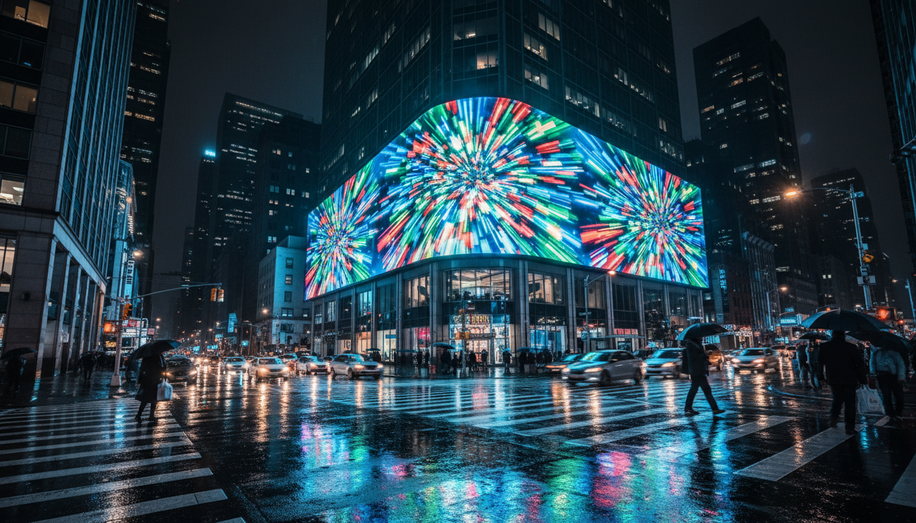

Out-of-home advertising has long served as the backbone of integrated marketing campaigns, yet its most powerful potential emerges not in isolation, but through strategic coordination with traditional media channels like television, radio, and print. As advertisers navigate an increasingly fragmented media landscape, OOH has become the connective tissue that amplifies the reach and reinforces the messaging of these established channels, creating a comprehensive ecosystem far more effective than the sum of its parts.
The foundation of this cross-channel alchemy lies in OOH’s unparalleled ability to create unavoidable brand presence. While television viewers fast-forward through commercials and radio listeners change stations, out-of-home advertising commands attention in the physical spaces where consumers live, work, and shop. This fundamental strength becomes transformative when layered with traditional media investments. When a consumer encounters a brand message on television, then sees that same brand prominently displayed on a billboard during their commute, the repetition fundamentally changes perception. The physical, tangible presence of OOH signals legitimacy and permanence in ways that ephemeral digital or broadcast messages cannot achieve.
Research demonstrates the magnitude of this multiplier effect. OOH-exposed consumers are 50% more likely to convert through digital channels compared to those encountering advertising through single channels alone, and studies commissioned by the OAAA found that OOH can amplify the reach of every other major media channel to more than 90 percent in a typical week. For traditional media specifically, this cross-channel reinforcement creates what marketers call the “surround-sound effect”—a comprehensive audio and visual environment that saturates the consumer’s awareness across multiple touchpoints.
The mechanics of effective integration require deliberate strategy. A successful campaign coordinates timing across channels, ensuring that OOH placements coincide with television spots, radio campaigns, and print advertisements. This synchronized approach transforms individual media buys into a cohesive brand experience. When consumers see consistent creative elements across these channels while each medium adapts messaging to its unique strengths, the cumulative impact exceeds what traditional media alone could achieve. Television builds emotional connection and tells the brand story; radio creates intimacy and frequent touchpoints; print offers depth and credibility; OOH provides omnipresent reinforcement and physical credibility.
The evolution of digital out-of-home technology has further enhanced these integration possibilities. Programmatic DOOH enables dynamic content that can reference television campaigns, incorporate radio catchphrases, or highlight print promotions in real time. A consumer might see a television advertisement featuring a particular promotion, then encounter that same promotion on a digital billboard moments later, creating a seamless experience that reinforces the message with remarkable effectiveness.
Beyond message reinforcement, OOH extends the reach of traditional campaigns to audiences that other channels miss. Television viewership and radio listening have fragmented as consumers exercise greater control over their media consumption. Print audiences continue to decline in certain demographics. Yet out-of-home reaches millions regardless of their streaming habits, radio preferences, or subscription choices. This reach amplification is particularly valuable for brands seeking to build awareness across diverse demographic segments with varying media consumption patterns.
The infrastructure supporting these integrations has matured considerably. Advanced measurement tools now allow marketers to track the performance of OOH campaigns alongside television, radio, and print through cross-channel analytics. QR codes on outdoor displays can drive traffic to campaign-specific landing pages; geofencing technology can trigger mobile retargeting when consumers pass OOH placements; social media amplification extends the campaign’s digital footprint. These technological bridges create measurable connections between traditional media investments and consumer actions.
As privacy regulations tighten and consumer resistance to digital targeting grows, the role of OOH within traditional media strategies becomes increasingly strategic. Out-of-home advertising reaches audiences that ad-blocking software and privacy settings cannot prevent from encountering brand messages. In a landscape where digital channels face mounting challenges in effective targeting, the broad, unavoidable reach of OOH positioned alongside traditional media creates a more resilient, comprehensive marketing ecosystem. For advertisers committed to maximum impact, the question is no longer whether to integrate OOH with traditional media, but how to orchestrate these channels most effectively to create the amplification effects that modern marketing demands.