
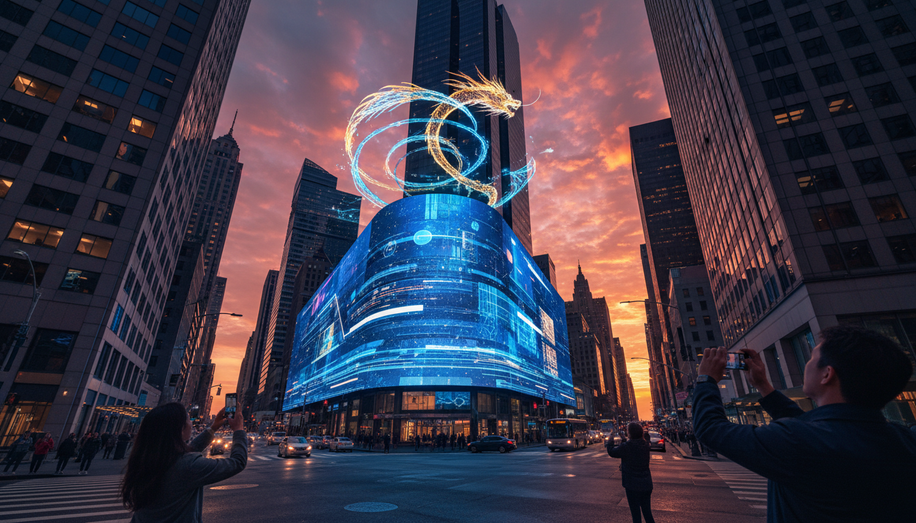

The convergence of augmented reality and out-of-home advertising is reshaping how brands engage with audiences in public spaces, transforming static billboards and transit infrastructure into dynamic, interactive platforms that blur the line between physical and digital worlds. As smartphone penetration reaches saturation in developed markets, savvy advertisers are leveraging AR to create memorable moments that drive genuine engagement rather than passive observation.
The mechanics are deceptively simple: a QR code printed on a billboard or transit advertisement invites pedestrians to scan it with their mobile devices, unlocking an immersive digital experience layered onto the physical environment. This seamless integration between concrete structures and virtual content has proven remarkably effective at capturing attention in cluttered urban landscapes where traditional advertising faces increasing blindness from consumers.
Burger King’s “Burn that ad” campaign in Brazil exemplifies the creative potential of this approach. Rather than promoting their product in isolation, the brand cleverly targeted competitors’ billboards, enabling users to virtually incinerate rival burger advertisements on their smartphones. Upon “burning” a competitor’s ad, a Burger King promotion appeared in its place, revealing a coupon for a free Whopper. The campaign generated one million app downloads in a single month and increased in-app sales by 56.4 percent, demonstrating that interactive AR experiences can translate directly into measurable business results.
Pepsi Max’s “Unbelievable” bus shelter campaign from 2015 remains a watershed moment for AR in outdoor advertising. Installed in London, the campaign used embedded cameras and a live video feed to create the illusion of extraordinary events unfolding on the street behind the shelter—asteroids plummeting from the sky, UFOs invading city airspace, and tentacles emerging from the pavement. The campaign went viral, accumulating over six million YouTube views and generating substantial social media buzz that far exceeded the reach of the physical installation.
Financial services and consumer brands have also embraced AR’s capacity to create emotional connections and drive engagement. Ally Bank partnered with Monopoly to install 36 interactive game board squares across six U.S. cities, turning public spaces into urban treasure hunts. Users scanned each square to unlock an augmented reality experience featuring the iconic Monopoly character distributing virtual points and cash prizes. The campaign achieved 100,000 total plays, with 86 percent of participants completing the full game by collecting all squares.
The Siduri hologram experience from Jackson Family Wines represents another innovation frontier. By scanning QR codes on in-store billboards or wine bottles, consumers could interact with a photorealistic three-dimensional hologram of Adam Lee, the company’s founder, creating an intimate brand experience that would be impossible through traditional advertising mediums.
These campaigns succeed because they acknowledge a fundamental shift in how people experience public spaces. Rather than fighting for attention against smartphone distractions, brands are inviting audiences to use those devices as windows into augmented experiences. The technology has become increasingly accessible and affordable, with web-based AR solutions enabling campaigns without requiring users to download dedicated applications. This frictionless approach eliminates a critical barrier to engagement that plagued earlier AR advertising efforts.
The emotional resonance of these campaigns extends beyond novelty value. The NHS’s blood donation campaign, for instance, allowed users to virtually contribute blood and witness the tangible impact of their participation, fostering genuine connection rather than mere transactional engagement. Red Bull’s cliff diving experience transported smartphone users to the edge of a 70-foot dive, conveying the visceral thrill of extreme sports in ways that static imagery cannot.
As brands continue experimenting with AR-enhanced OOH advertising, the technology is maturing from gimmick to genuine engagement channel. The most successful campaigns recognize that AR’s power lies not in technological spectacle but in creating moments of surprise, delight, and meaningful interaction within the everyday spaces where consumers already spend their time. In an attention economy saturated with passive content, interactive AR experiences offer advertisers a compelling tool for cutting through the noise and leaving lasting impressions.