
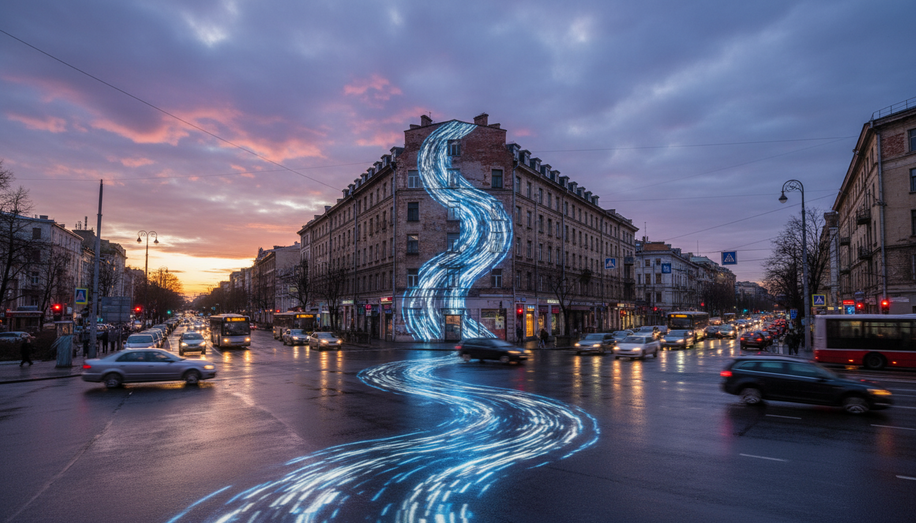

In the bustling heart of a city, where concrete towers pierce the sky and pedestrians weave through an endless rhythm of motion, advertising has long vied for attention with bold colors and flashing lights. Yet a subtler revolution is underway: ambient out-of-home (OOH) advertising, which weaves brand messages into the very fabric of the urban landscape. By harnessing existing architecture, street furniture, and even natural elements, these campaigns dissolve the boundary between ad and environment, creating encounters that feel organic rather than intrusive.
This approach thrives on surprise and seamlessness. Consider McDonald’s iconic bus stop transformation, where simple stickers turned seats into piles of golden French fries, inviting commuters to sit—and smile—amid a familiar fast-food fantasy. The ad didn’t shout; it whispered through everyday interaction, blending with the shelter’s functional role to amplify recall without overwhelming the space. Similarly, KitKat reshaped public benches into oversized chocolate bars, their contoured surfaces mimicking the snack’s iconic break. Passersby paused not just to rest, but to engage with a tactile brand experience that complemented the city’s rhythm rather than disrupting it.
Street furniture becomes a canvas for ingenuity. Floor graphics in malls and train stations guide footsteps toward stores while delivering messages underfoot, turning navigation into subtle persuasion. Elevator interiors, those liminal boxes of quiet anticipation, host playful projections or wraps that transform rides into branded moments—Doom Fogger’s intricate “Roachville” scene on a bug spray can, for instance, draws eyes downward in curiosity. Projection mapping elevates this further: at night, beams dance across building facades or sidewalks, casting ethereal narratives that merge with the glow of city lights. Folgers Coffee once harnessed steam vents in sidewalks, channeling rising vapor into steaming coffee cups, a perfect symbiosis of urban infrastructure and sensory allure.
Architecture offers even richer terrain. Brands like Hot Wheels embed nostalgic tracks into walls or ledges, inviting children—and parents—to trace die-cast paths along building edges, making the ad a playground extension. In Japan, an alcohol awareness campaign turned sleeping revelers on streets into temporary “human billboards,” their slumped forms overlaid with cautionary messages via washable paint—a guerrilla nod to architecture’s human scale, though ethically debated. HOKA’s 2024 Manhattan activation went bolder, converting a city block into a Joshua Tree-inspired desert complete with rocky terrain and wind, blurring trail shoes’ promotion into an immersive environmental statement.
Natural elements add poetic depth. Environmental ads in parks integrate branded benches or sculptures that echo surrounding greenery, like Pedigree’s poop bag dispensers styled as fire hydrants, enhancing utility while promoting pet care. Coca-Cola’s “Happiness Machine” vending units in public squares dispensed surprises amid foliage, tying joy to open-air spontaneity. Volkswagen’s piano stairs, clad in black-and-white keys that chimed with each step, encouraged escalator abandonment in subway stations—using the built environment’s flow to nudge greener habits, with 68% higher engagement than standard ads.
These integrations succeed because they prioritize context over confrontation. Ambient OOH boasts lower costs than traditional billboards yet delivers high visibility and memorability—90% of consumers notice outdoor ads monthly, and guerrilla tactics reach new audiences for 57% of brands. By fitting naturally, they foster positive brand perception: no hard sell, just clever harmony that sparks shares and stories. In Singapore, Coca-Cola’s interactive bus shelters let riders create GIFs for free drinks via QR codes, spiking social buzz and redemptions through tech-infused street furniture.
Critics might argue such creativity risks overreach, turning public spaces into commercial playgrounds. Yet when done right, ambient OOH enhances rather than exploits—Bigelow Tea’s steaming cup illusions on grates evoke comfort in chill mornings, while Frontline’s flea-trap floors in high-traffic zones educate via interaction. Agencies like Taylor Herring catalog hundreds of such feats, from Lego’s brick-laid sidewalks to Absolut’s skyline projections, proving the format’s scalability.
As cities evolve with smart infrastructure and sustainability mandates, ambient OOH stands poised for growth. Projection tech and AR overlays on architecture promise hyper-local relevance, while eco-materials ensure natural integrations endure. The art lies in subtlety: ads that don’t demand eyes but capture imaginations, proving that in urban jungles, the most powerful messages grow from the ground up. Brands embracing this ethos don’t just advertise—they inhabit the environment, leaving impressions as lasting as the streets themselves.
As ambient OOH redefines urban engagement, sophisticated tools become indispensable for optimizing these subtle, impactful integrations. Platforms like Blindspot offer crucial support, utilizing advanced location intelligence to pinpoint optimal sites where brand messages can seamlessly weave into the urban fabric. This, coupled with precise audience measurement and ROI attribution, ensures these context-driven campaigns not only capture imaginations but also deliver measurable, lasting impressions. Learn more at https://seeblindspot.com/