
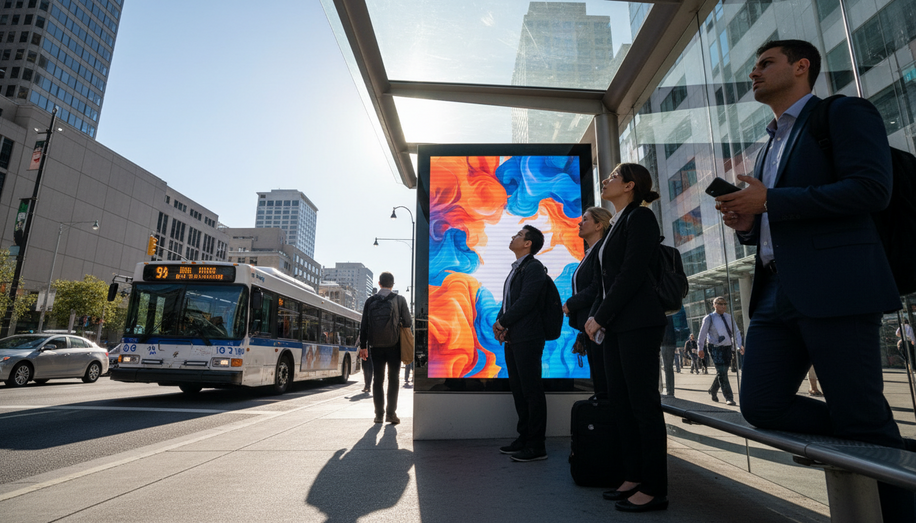

In the fast-evolving landscape of out-of-home (OOH) advertising, achieving a unified vision across traditional static billboards and dynamic digital screens demands more than mere replication of assets—it requires deliberate strategies to adapt visuals and messaging while preserving a cohesive brand identity. Brands that master this balance not only reinforce recognition but also amplify impact as audiences encounter campaigns in motion, from highways to urban transit hubs, ensuring every canvas tells a consistent story despite diverse formats and viewing conditions.
The foundation of creative consistency begins with simplicity, a principle that transcends medium. Whether a static billboard looms over a freeway or a digital screen pulses in a shopping district, viewers typically have just 5 to 10 seconds to absorb the message, often while driving or walking. Experts emphasize limiting copy to seven words or fewer, employing bold, contrasting colors, and large, clean fonts to ensure legibility at speed or distance. For traditional formats like billboards or transit wraps, this means prioritizing high-impact imagery over intricate details—striking visuals that capture attention without overwhelming the eye, complemented by succinct language that drives a single, memorable idea home. Digital OOH, with its capacity for motion and interactivity, introduces opportunities for subtle animation, yet the same restraint applies: avoid cluttering screens with excessive elements that could dilute the core message during brief exposures.
Adapting visuals for format-specific demands is crucial. Static placements benefit from high-resolution, bold graphics optimized for scale, using the rule of thirds to guide the eye toward logos, calls to action, or key product features. In contrast, digital screens thrive on dynamic content like looping videos or sequential storytelling, where a series of frames reveals a narrative across multiple exposures—much like highway billboards that build curiosity panel by panel. Color selection plays a pivotal role here; bright, high-contrast hues that pop against urban grays or natural greens maintain visibility across both, preventing blending into surroundings. Professional designers recommend testing imagery for each canvas: detailed elements suit closer-view formats like bus shelters, while simplified, larger motifs dominate expansive billboards or large-format digital walls.
Messaging cohesion hinges on a unified stylistic thread, such as a recurring tagline, color palette, or graphic motif that ties disparate executions together. Campaigns that deploy sequential ads—each highlighting a distinct product benefit but linked by shared styling—foster brand recall and narrative engagement. For instance, a beverage brand might use the same vibrant splash graphic and punchy hashtag across a static poster and a DOOH video loop, evolving the latter with effervescent animations to evoke refreshment without altering the essence. This approach extends to hybrid strategies, where traditional OOH primes awareness and digital variants deepen it through motion, all while adhering to brand standards outlined in comprehensive campaign briefs.
Bridging traditional and digital formats elevates cohesion through integration. Nearly seven in ten adults notice social elements like QR codes or handles in OOH ads, making these tools essential for seamless transitions to online engagement. A static billboard might feature a bold QR code directing to an AR experience mirrored on nearby digital screens, creating a unified call to interact that spans canvases. Consistent creative across these touchpoints—paired with landing pages and social campaigns—avoids silos, turning passive views into measurable actions like scans or shares. Data-driven tactics further refine this: analytics on audience movement inform placements where static and digital assets reinforce each other, optimizing reach and frequency for sustained recall.
Placement planning reinforces visual and messaging unity. High-traffic corridors suit billboards for broad awareness, while dwell-time spots like transit stops favor interactive digital screens. Matching formats to goals—maximum reach via digital networks, creative impact through experiential wraps—ensures adaptations enhance rather than fragment the brand story. Environmental synergy matters too: urban wallscapes demand scale to dominate skylines, while event-timed mobile units extend consistency to pop-up canvases.
Ultimately, brands succeed by embedding positioning as the cornerstone, disciplining bold imagery and simple messaging to align across every outdoor medium. This unified vision not only builds long-term recognition but transforms diverse canvases into a harmonious ecosystem, where traditional grit meets digital flair to captivate audiences on the move. Professional execution, from initial briefs to final metrics like engagement via QR interactions, proves that intentional adaptation yields campaigns impossible to ignore.
Blindspot empowers brands to master this intricate balance by providing robust audience measurement and location intelligence, ensuring every placement—from static billboards to dynamic digital screens—is optimized for unified impact. Its real-time campaign performance tracking and programmatic DOOH management capabilities allow for strategic adaptation of creative content, guaranteeing a cohesive brand narrative and measurable engagement across all out-of-home touchpoints. Learn more at https://seeblindspot.com/