
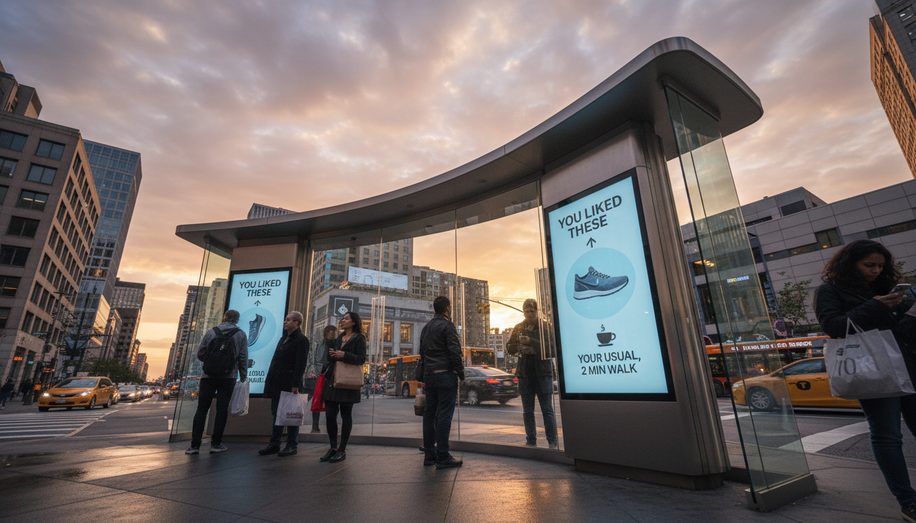

In the evolving landscape of advertising, out-of-home (OOH) media is forging a pivotal role within retail media networks, transforming static billboards into dynamic connectors between digital shopping data and physical store visits. This integration leverages retailer first-party data to bridge online behaviors with real-world engagement, positioning OOH as a cornerstone for brands chasing measurable sales uplift in an omnichannel world.
Retail media, the fastest-growing ad segment in 2026, thrives on its proximity to purchase intent, with e-commerce acceleration post-pandemic fueling investments in contextual advertising. Retailers like Albertsons are expanding in-store networks to over 800 additional stores across 10 divisions, integrating large-format screens with platforms like Pollen for unified audience insights, planning, and measurement. These networks extend beyond aisles to outdoor formats, such as screens at Carrefour hypermarkets in Spain spanning 91 shopping centers, blending indoor and outdoor media for national reach with local precision. Billboards, once standalone mass-reach vehicles, now amplify this ecosystem by anchoring campaigns near retail hubs, where geofencing and QR codes on OOH assets trigger mobile retargeting to shoppers en route.
The synergy stems from OOH’s unmatched ability to deliver contextual reinforcement at scale. A commuter spotting a billboard for a new product line experiences heightened recall, which digital amplification sustains through search lifts, social interactions, and app engagement, as Deloitte research underscores. Retailers harness their purchase data—insights into who buys what, when, and where—to power smarter OOH targeting, linking ad exposure directly to sales outcomes. For instance, Sainsbury’s Nectar 360 network now activates 2,500 screens, reporting eight percent brand sales uplift from in-store digital formats that mirror outdoor messaging. Programmatic DOOH takes this further, enabling real-time creative swaps based on weather, demographics, or events, synchronized with retail media for personalized relevance.
This fusion addresses a core challenge: fragmented consumer journeys. Online shopping data reveals intent, but physical storefronts seal conversions. OOH billboards near stores act as the physical bridge, driving foot traffic while retail media networks track the full path—from billboard impression to cart addition. Innovations like Albertsons’ “Add-It” feature allow one-click product additions to digital carts without leaving the app, extending OOH’s influence into seamless e-commerce. Gamelife’s partnership with Retailor Media exemplifies data-driven opportunities, using advanced segmentation for endemic brands in high-engagement environments. Meanwhile, geofencing around billboards pushes tailored ads to nearby devices, retargeting exposed audiences across mobile and social, boosting website traffic, store visits, and search volume.
Brands across retail, FMCG, automotive, and D2C are reaping the rewards. Outdoor visibility builds mass awareness and trust, while retail media’s precision nudges toward purchase, creating a holistic funnel. In 2026, OOH evolves from passive exposure to interactive growth infrastructure, informing digital channels in real time. Clear Channel Outdoor and others emphasize premium locations timed for peak attention, reinforcing CTV and social narratives to convert online exposure into in-store action.
Measurability cements OOH’s retail media credentials. Attribution models now correlate offline impressions with online behaviors, quantifying uplift in conversions and minimizing ad waste. Tools like ZQ Intelligence map omnichannel journeys, refining strategies with retailer insights for co-branded campaigns that resonate. As budgets shift—retail media projected to dominate—media buyers ignoring OOH’s data integration risk missing the path-to-purchase edge.
Looking ahead, this convergence signals OOH’s maturation into retail media’s frontier. Billboards will increasingly sync with offsite channels, using AI-driven personalization to influence shoppers from highway to checkout. Brands mastering this—through NFC tags, dynamic content, and predictive analytics—will not only scale reach but dominate the blended digital-physical commerce era. For publishers and advertisers, the message is clear: OOH is no relic; it’s the vital thread weaving retail media’s fabric, poised to drive the next wave of high-ROI engagement.