

()
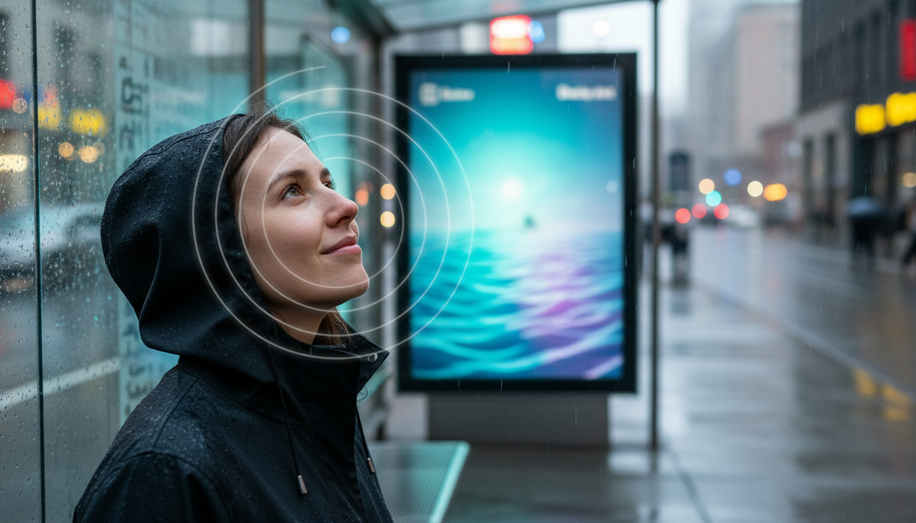
In the bustling cacophony of urban streets, where visual billboards compete for fleeting glances, a subtle revolution is stirring: the integration of sound into out-of-home (OOH) advertising. Long dominated by sight, OOH is evolving into a multi-sensory realm, where audio triggers, directional speakers, and sonic branding forge immersive experiences that linger in the mind long after passersby move on. This acoustic layer doesn’t just amplify messages; it humanizes them, turning static displays into dynamic encounters that evoke emotion, provoke action, and drive measurable results.
Consider the transformative power of Audio Out-of-Home (AOOH), now supercharged by programmatic technology. This platform automates audio delivery with data-driven precision, targeting audiences in real-time while measuring engagement. OOH viewers, already attuned to their surroundings, respond eagerly to sound’s personality-infused narratives, which breathe life into visuals and spur unplanned purchases—16% of which stem from in-store prompts. In supermarkets, for instance, targeted AOOH ads for groceries or household goods cut through visual clutter, their calls-to-action landing with greater impact than silent signage.
A standout example unfolded in New Zealand supermarkets, where Ogilvy and All Good Fair-Trade Bananas deployed Audio Spotlight directional speakers. Positioned at banana stands, these devices beamed whispers directly to shoppers standing in front, mimicking an inner voice urging purchase: “Your conscience speaking.” The result? Sales surged over 130%, proving sound’s ability to personalize and persuade without mass intrusion. Similarly, directional audio haunted a New York City billboard for the TV series *Paranormal State*. Eerie female whispers—”Who’s there? It’s not your imagination”—emanated via ultrasound-focused beams, audible only to those nearby, creating a chilling illusion of solitude amid crowds. Passersby froze or quickened their pace, the audio’s intimacy amplifying the visual’s dread.
These innovations extend beyond retail chills to joyful immersions. Lyft celebrated 2017’s music peak in New York by orchestrating car alarms into a street performance of *Despacito*, blending urban noise with branded celebration to evoke pure delight. Nike took a narrative approach with “talking billboards” in the city, syncing dynamic voiceovers to digital visuals for storytelling that captivated pedestrians, racking up 1.2 million social media impressions. Such campaigns highlight sound’s role in emotional elevation, making brands unforgettable.
Programmatic AOOH’s precision shines in tourism, too. At Zurich Central Station, a digital screen for Switzerland’s Graubünden region featured a virtual mountaineer inviting yodels for vacation prizes. The man’s greeting hooked viewers, but the interactive yodeling—prompted and echoed—sealed the deal, immersing commuters in alpine allure. JCDecaux’s OUIbot, debuting in Paris train stations in 2019, added sonic charm as a humorous virtual ticketing agent, engaging over 100,000 passengers in personalized banter.
Even ice cream gets an acoustic boost. Magnum Classic’s AudiOoH tests revealed that pairing audio spots with OOH posters spiked purchase intent to 81%, outpacing visuals (77%) or sound (69%) alone. The synergy heightened emotional responses and appetite appeal, underscoring multi-sensory media’s edge. This “combination check” validates what brands intuit: sound coordinates motifs across channels, forging deeper connections.
Yet sound’s potential in OOH transcends spots and screens, venturing into experiential realms. HOKA’s Manhattan “desert track” for Mafate X sneakers filled streets with wind, rocks, and nature sounds via Unreal Engine, syncing to runners’ paces on an interactive treadmill—blending audio immersion with physical exertion for a branded adventure. Starbucks scented London bus shelters with coffee aromas during rush hour, boosting dwell time by 25% and foot traffic; imagine layering that with tailored audio cues for compounded sensory pull.
Challenges persist—urban noise, regulations, and tech costs—but advancements like directional audio and programmatic targeting mitigate them. Directional speakers, using ultrasound for pinpoint beams, ensure privacy and focus, as in the banana or paranormal campaigns. Programmatic AOOH enables weather-triggered sonics, akin to visual ads promoting rain gear during downpours. As JCDecaux notes, these multi-sensory tactics uniquely transform OOH into immersive brand worlds.
Looking ahead, sonic branding will redefine experiential OOH. From AI assistants like OUIbot to yodeling challenges, sound crafts narratives that visuals alone can’t match—personal, emotive, actionable. In a sensory-saturated world, the brands mastering this acoustic landscape won’t just be seen; they’ll be heard, felt, and remembered, heralding OOH’s vibrant new voice.