
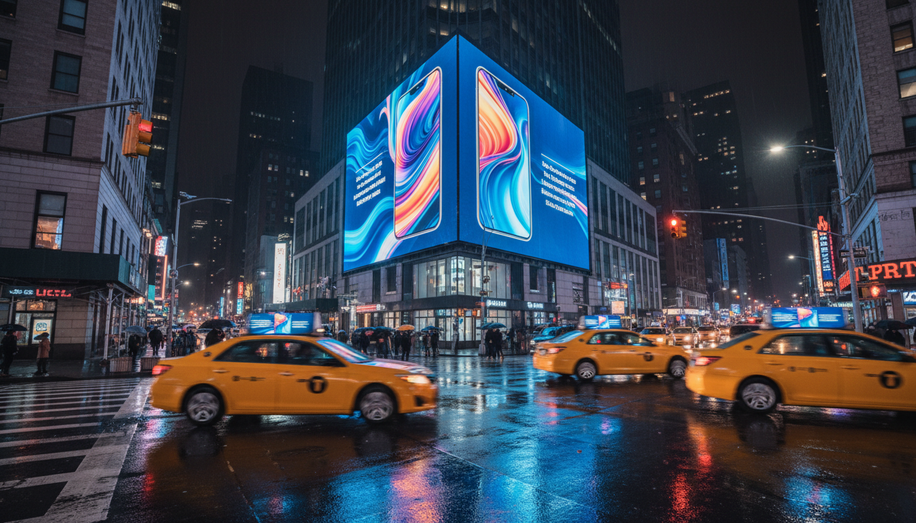

In the fragmented world of modern marketing, where consumers navigate a barrage of digital notifications and fleeting online ads, out-of-home (OOH) advertising emerges as the unyielding anchor. Positioned in high-traffic urban corridors, transit hubs, and everyday thoroughfares, OOH delivers inescapable visibility that grounds brand messages in the physical world, amplifying every other channel in a holistic strategy. This foundational role transforms OOH from a standalone tactic into the bedrock of cohesive campaigns, fostering brand familiarity through repeated, real-world exposure that digital alone cannot replicate.
Brands that elevate OOH to this central position unlock exponential reach and resonance. Traditional billboards and digital out-of-home (DOOH) formats excel at broad impressions in precise locations, intersecting with audiences during commutes, shopping trips, or leisure outings. By strategically placing ads near shopping malls for retail shoppers or in business districts for professionals, marketers target demographics with granularity, ensuring messages land where intent is highest. This precision extends visibility into consumers’ daily routines, building top-of-mind awareness that repeated exposures convert into trust and recall. When integrated thoughtfully, OOH doesn’t compete with online efforts; it supercharges them, creating a seamless funnel from initial sighting to conversion.
The true power lies in synergy. Pairing OOH with digital channels like mobile, social media, and retargeting creates extended frequency and cross-channel reinforcement. Imagine a commuter glimpsing a striking DOOH ad on their morning drive; later, that same creative retargets them on Instagram or Google, bridging physical and virtual touchpoints. This integration boosts exposure by up to 13 percent and sales by 8 percent when paired intentionally with social media, as visual OOH creatives naturally spark shares and viral amplification. DOOH takes it further with real-time dynamism—geo-targeted messaging, 24/7 adaptability, and analytics that track dwell time and impressions, reducing production costs while enabling flexible content swaps. Brands achieve not just wider reach but deeper engagement, as OOH’s tangible presence complements ephemeral digital content, enriching the overall brand-consumer relationship.
Crafting this holistic approach demands unified planning from the outset. Successful campaigns start with a customer-centric blueprint, aligning messaging across platforms around shared brand objectives like image and core narrative. Concurrent creative development ensures consistency—whether a billboard’s bold visual or its digital echo on TikTok—while local insights on foot traffic inform placements that feed into online funnels. Consider Patagonia’s masterclass: every touchpoint, from OOH placements in adventure hotspots to social calls for environmental action, reinforces a singular ethos of planetary stewardship, forging lasting loyalty. Data-driven tweaks, drawing from OOH analytics and digital metrics, optimize performance, turning disparate efforts into a fluid narrative.
OOH also thrives in collaborative ecosystems, diversifying reach through partnerships that surprise and immerse. Teaming with influencers or complementary brands for co-branded activations—think immersive street installations shared across social—leverages partner audiences and local tailoring, maximizing impact beyond solo efforts. In outdoor recreation marketing, for instance, OOH targets mindset-specific groups like novice seekers or avid enthusiasts with wellness-themed messaging in trails or parks, then funnels them digitally via seasonal triggers. This multiplies touchpoints, from physical encounters to online conversions, while maintaining brand consistency.
Ultimately, OOH’s anchoring strength shines in its measurability and ROI. Far from impression-only metrics, integrated campaigns deliver sales lifts by keeping brands forefront during purchase journeys—roof repair seekers spotting local OOH amid mobile scrolls, or shoppers influenced en route. It bridges gaps in cluttered digital landscapes, offering unavoidable engagement that digital cannot match. For marketers, the directive is clear: position OOH as the strategy’s spine, molding it to existing plans or building anew around its mass-reach prowess. In doing so, brands craft not fragmented blasts but immersive experiences that resonate across all touchpoints, driving awareness, affinity, and action in an always-on world.
Embracing OOH as the strategic spine requires tools that unify planning, ensure precision, and prove tangible impact. Platforms like Blindspot empower marketers with unparalleled location intelligence for optimal site selection, programmatic DOOH management for dynamic and seamlessly integrated campaigns, and robust ROI measurement and real-time performance tracking to bridge physical and digital efforts, ensuring every touchpoint drives cohesive brand narratives and measurable results. Discover how at https://seeblindspot.com/