
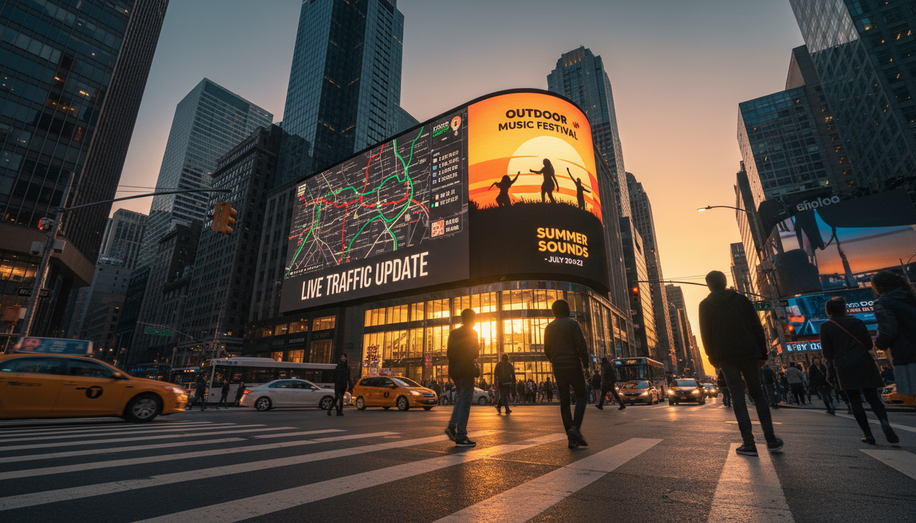

In the fast-paced world of out-of-home advertising, programmatic digital out-of-home (DOOH) campaigns are evolving beyond static bids into dynamic ecosystems powered by real-time data feeds. Weather patterns, local events, and traffic flows now dictate not just when ads appear, but what they say and where they land, delivering hyper-relevant messages that capture attention amid urban chaos.
This shift marks a departure from traditional OOH’s rigid schedules and fixed contracts, where advertisers committed budgets upfront with little flexibility. Programmatic DOOH introduces real-time bidding (RTB), allowing brands to auction for screen space dynamically, paying only for impressions that align with precise targeting criteria. Coupled with live data integration, this enables continuous optimization: campaigns adjust on the fly as performance metrics like impressions, engagement, and audience dwell time stream in. No longer do marketers wait for post-campaign reports; they monitor and tweak in real time, reallocating budgets from underperforming placements to high-impact ones.
Weather data stands out as a prime lever for agility. A clothing retailer might trigger ads for umbrellas and raincoats when forecasts predict downpours, ramping up frequency near transit hubs during rush hour. Conversely, on scorching afternoons, a beverage brand like Coca-Cola has swapped messaging to promote icy refreshments, using temperature and UV index feeds to tailor creatives that resonate with overheated commuters. These environmental triggers ensure ads feel prescient rather than promotional, boosting relevance and recall. Programmatic platforms now incorporate such controls natively, letting advertisers set rules like “display sunscreen promotions above 30°C” before campaigns even launch.
Events provide another layer of contextual precision. During a high-stakes sports match, such as an Ashes cricket test between England and Australia, dynamic creative optimization (DCO) can pivot content instantly. If England clinches victory, billboards near stadium exits congratulate fans with celebratory visuals and tie-in offers, capitalizing on euphoric post-game traffic. Nike’s 2023 “Run With Us” campaign exemplified this during U.S. marathons, where real-time data on runner demographics and event crowds adjusted ad placements and messaging—geofencing high-traffic finish lines to showcase running gear precisely when motivation peaked. Social media trends and local happenings feed into these systems too, allowing brands to surf cultural waves without manual intervention.
Traffic data elevates placements to a science. Sensors and mobile signals reveal congestion patterns, footfall surges, and commuter behaviors, directing ads to screens where eyes are most captive. A food delivery service, for instance, could intensify promotions on digital billboards during evening gridlock, highlighting quick-order deals for drivers stuck in snarls. Retailers near shopping centers dynamically cycle inventory spots—workwear for morning rushes, evening attire as the day wanes—matching consumer intent inferred from real-time mobility data. This audience-first approach minimizes waste, as programmatic DOOH paces spend against verified impressions, leveraging demographic overlays for even sharper targeting.
The results speak volumes. Coca-Cola’s campaign harnessed traffic analytics around transit hubs to optimize timing, correlating ad exposure with spikes in store visits and sales through footfall attribution. Nike reported surging brand engagement and running gear purchases, attributing success to real-time tweaks that kept creatives fresh amid marathon fervor. Beyond anecdotes, industry-wide benefits include improved ROI via reduced ad fatigue and higher conversion rates, as hyper-personalized content lands in contextually optimal moments.
Challenges persist, of course. Integrating disparate data feeds demands robust platforms, and privacy regulations require careful handling of location signals. Yet, as DSPs and SSPs refine their stacks, the friction fades. Brands embracing this agility—retailers, QSRs, even entertainment giants—are redefining OOH not as a blunt hammer, but a scalpel for cultural incision.
Looking ahead, the fusion of AI-driven predictions with these feeds promises even greater foresight: preempting traffic jams or event buzz before they peak. For advertisers, the message is clear—master real-time data, and programmatic DOOH becomes less about bidding wars and more about winning moments. In an attention economy where relevance reigns, those who adapt fastest will own the streets.