
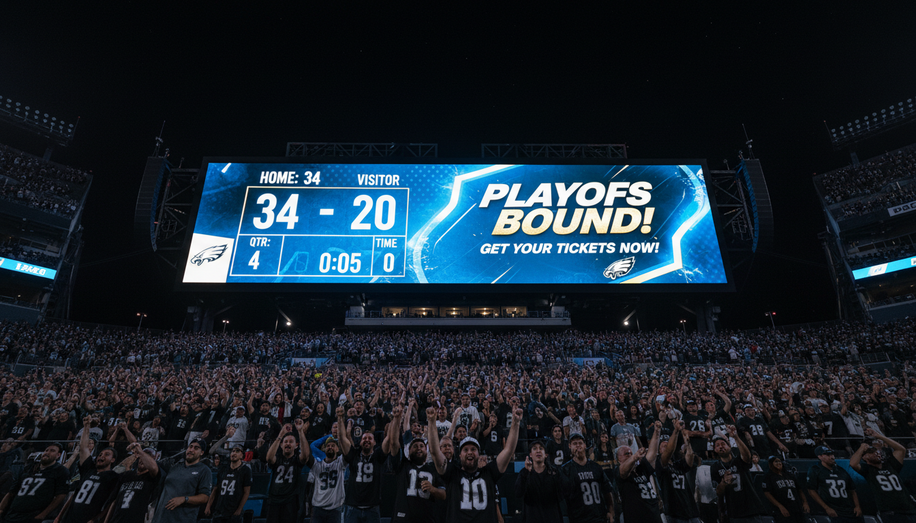

In the electric atmosphere of packed stadiums, arenas, and concert halls, out-of-home (OOH) advertising captures audiences at their most engaged, transforming passive spectators into active consumers. These venues offer unparalleled opportunities for brands to deliver highly relevant messaging to captive crowds—fans hyped for a game, concertgoers immersed in live music—who are already spending money on tickets, concessions, and merchandise. A 2025 study by the Out of Home Advertising Association of America (OAAA) and The Harris Poll revealed that nearly 60% of U.S. adults recall seeing an OOH ad for a major sporting event, with 90% taking real-world actions like social media engagement, discussing the event with friends, or attending the game. This direct path from exposure to behavior underscores why sports and entertainment complexes remain a goldmine for OOH, even as digital screens proliferate across concourses, luxury suites, and entryways.
The unique appeal lies in the venues’ built-in foot traffic and dwell time. Unlike roadside billboards, which snag glances from passing drivers, stadium and arena ads benefit from audiences lingering for hours—arriving early, milling about during intermissions, and exiting in high spirits. Concert halls amplify this with pre-show buzz, where fans cluster in lobbies checking phones or grabbing drinks. OOH here reaches demographics primed for impulse: affluent season-ticket holders, groups of friends, and families open to brand tie-ins like energy drinks at tailgates or ride-sharing promotions post-event. Economic ripple effects are profound; 99% of fans who attended games after OOH exposure spent money in host cities on hotels, restaurants, and transport, fueling local economies beyond the turnstiles. With U.S. OOH revenues climbing to $9.1 billion in recent years and projected to hit $17 billion by 2033 at a 9.1% CAGR, venues like these drive a chunk of that growth through place-based digital networks.
Digital OOH has revolutionized these spaces, blending static displays with dynamic, data-driven content. High-resolution LED screens rotate ads in real-time, syncing with game scores, artist announcements, or crowd moods via AI and analytics. This interactivity boosts relevance—imagine a beer brand’s ad flashing during a home run drought or a streaming service teasing setlists mid-concert. Integration of augmented reality (AR) lets fans scan posters for exclusive filters or tickets, turning ads into experiences that extend online. Place-based networks inside arenas now number in the thousands, with over 4,900 digital billboards nationwide contributing to OOH’s surge. For brands, this means measurable lift: 61% of sports fans exposed to OOH share content on social media, sparking viral conversations that amplify reach.
Yet challenges abound in these high-stakes environments. Clutter is rampant—concourse walls bristle with sponsor logos, jumbotrons flash nonstop, and vendor carts hawk competing products—demanding ads that cut through the chaos with bold visuals, humor, or star power. Relevance is non-negotiable; a mismatched message, like luxury watches to budget-conscious families, flops amid the roar. Regulations add hurdles: venues enforce strict guidelines on messaging to protect team partnerships, and light pollution rules in some concert halls limit screen brightness. Measuring impact remains tricky, though tech helps—eye-tracking cams and geofencing track footfall to attribution—but ROI skepticism persists amid OOH’s small slice of total ad spend, forecasted at 2% by 2028 despite revenue growth.
Urbanization intensifies both opportunities and competition. As cities swell—Asia alone eyeing 50% urban growth by 2050—public venues draw denser crowds reliant on transit, ideal for OOH at entry points. In the U.S., billboards still dominate at 57.7% market share for their visibility, but venue-specific formats like building wraps on arenas or transit tie-ins at rail-adjacent stadiums are fastest-growing. Brands counter challenges by hyper-targeting: geo-fencing delivers venue-tailored digital ads, while programmatic buying optimizes rotations based on sellouts or weather.
Success stories illuminate the path. Sports OOH ads have juiced attendance and economies, with billboards alone rivaling Super Bowl audiences in prime spots. A national campaign for a major league event saw 90% action rates, proving OOH’s playbook for sports marketing. Concert promoters leverage lobby screens for upsells, like VIP upgrades, capitalizing on fans’ heightened emotions. To maximize impact, advertisers prioritize brevity—constant exposure demands five-second reads—and context: tie ads to the event’s vibe, like adrenaline-pumping visuals for playoffs or immersive graphics for sold-out tours.
Looking ahead, OOH in these venues thrives on innovation amid steady growth. With U.S. billboard revenues eyeing $17 billion by 2033 and global markets at $45.9 billion in 2026 swelling to $68.6 billion, the medium’s low cost-per-thousand—80% below TV—keeps it competitive. For marketers, the formula is clear: craft resonant, tech-savvy campaigns that respect the captive thrill of live events. In stadiums pulsing with cheers or halls echoing anthems, OOH doesn’t just advertise—it ignites the moment.
To navigate the pervasive clutter and overcome ROI skepticism in these dynamic, high-engagement environments, platforms like Blindspot offer crucial solutions. By leveraging programmatic DOOH campaign management alongside advanced audience measurement and precise ROI attribution, brands can hyper-target messaging for maximum relevance and clearly demonstrate tangible impact amidst the roar of live events. Discover how to amplify your venue advertising at https://seeblindspot.com/