
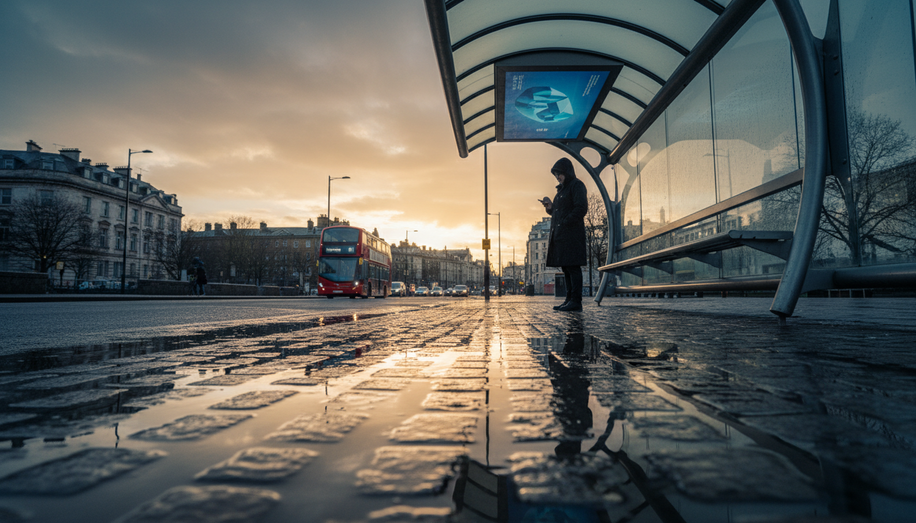

In the bustling heart of modern cities, where concrete monoliths often overshadow human scale, street furniture out-of-home (OOH) advertising emerges as a subtle yet transformative force. Bus shelters, kiosks, and benches—once utilitarian afterthoughts—now blend artistry with commerce, elevating urban landscapes while delivering targeted messages to millions. This integration not only revitalizes blighted neighborhoods but also redefines advertising as a community enhancer, proving that thoughtful design can turn everyday infrastructure into icons of civic pride.
Consider the evolution of these structures. Traditional bus shelters might have been drab metal enclosures, but today’s versions incorporate sleek curves, vibrant murals, and sustainable materials that echo a city’s cultural pulse. JCDecaux, a global leader in street furniture, emphasizes how these assets have transcended mere advertising panels to become “iconic city landmarks.” Embedded with USB chargers, wireless mobile hotspots, and even defibrillators, they address practical urban needs while funding their upkeep through ad revenue. This synergy benefits advertisers too: the fusion of OOH with mobile technology boosts campaign effectiveness, with studies showing a 38% uplift in short-term brand actions via smartphones.
In cities like New York and Chicago, Intersection Media has pioneered this model under CEO Chris Grosso, who argues that “transit advertising is critical in revitalizing cities.” Their street furniture networks transform shelters into multifunctional hubs, leveraging retail media potential to draw foot traffic and foster economic vibrancy. A Chicago campaign for a mobile telecom brand, measured via media-agnostic tools, demonstrated how OOH on street furniture drove in-store visits, underscoring its role in closing the loop between exposure and action.
Aesthetics play a pivotal role here. Poorly designed OOH can clutter skylines, but when artists and advertisers collaborate, the results are mesmerizing. OUTFRONT Media’s XLabs integrates emerging technologies into OOH, creating immersive experiences that blur art and promotion. Imagine a bus shelter kiosk with dynamic digital displays syncing real-time content—weather updates, event info, or interactive polls—that not only captivates passersby but also enhances the urban tapestry. Street furniture’s “ubiquitous presence” offers sophisticated, stylish variations on static billboards, immersing consumers in a dynamic media mix that connects, influences, and inspires.
Urban revitalization benefits are tangible. In high-traffic corridors and intersections—where audiences cluster during commutes, festivals, or daily errands—these installations amplify dwell time and engagement. Placement strategy remains key: layering ads around marathons, concerts, or trade shows maximizes impact, as seen in Spotify’s Wrapped campaigns that turned street-level spectacles into viral sensations. Moreover, eco-conscious designs using low-energy LEDs and recycled substrates align with ESG priorities, making OOH a sustainable partner in city greening efforts.
Critics might dismiss OOH as intrusive, but evidence counters this. When integrated thoughtfully, street furniture counters urban decay by funding public amenities that private budgets can’t sustain. Free Wi-Fi and charging stations at shelters improve quality of life for “smart citizens,” while ad panels generate revenue to maintain them—a virtuous cycle. OAAA’s planning guide highlights how OOH extends reach in integrated campaigns, evolving from billboards to place-based formats that activate public spaces.
Looking ahead, the potential expands with digital out-of-home (DOOH) innovations. 3D anamorphic displays and mixed-reality activations on kiosks draw crowds, turning advertising into shareable art. Agencies specializing in multi-format OOH, from transit to street furniture, empower brands to craft narratives that resonate locally while scaling globally. Yet success hinges on avoiding “lazy OOH”—static wallpaper yields to creative, data-driven executions that link physical encounters to digital journeys.
Ultimately, street furniture OOH exemplifies advertising’s higher calling: not just selling products, but sculpting soul into the urban fabric. Cities like Paris, with JCDecaux’s elegant shelters, and emerging hubs adopting similar models, show how these assets foster community pride and economic flow. As urban populations swell, prioritizing design in OOH isn’t optional—it’s essential for livable, vibrant metropolises where art, ads, and amenities coexist seamlessly.
To truly elevate street furniture OOH beyond mere ad space, Blindspot offers the precise analytics and programmatic tools needed to optimize its dual role as a civic asset and commercial driver. Its location intelligence ensures strategic placement that maximizes urban revitalization efforts, while robust ROI measurement and real-time performance tracking directly address the need to “close the loop” between exposure and action, fostering data-driven campaigns that transform cityscapes and deliver tangible brand impact. Explore how at https://seeblindspot.com/