
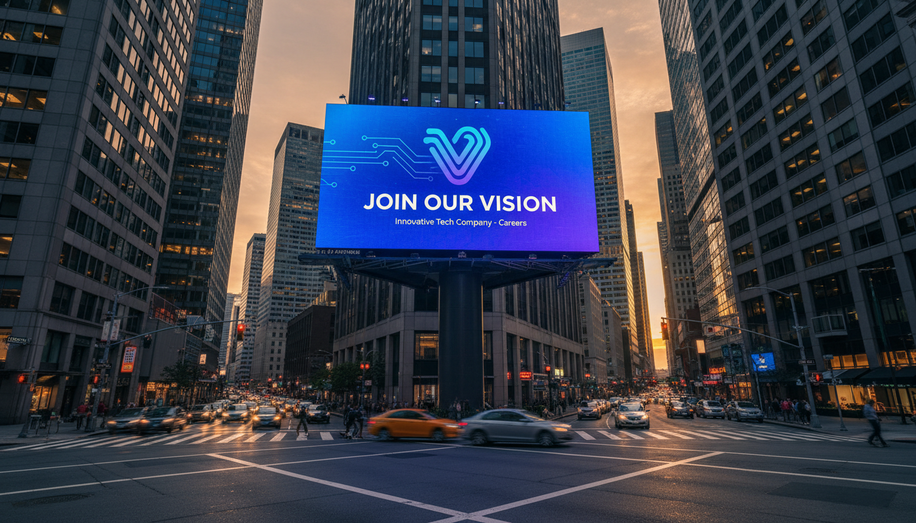

The out-of-home advertising industry has long been synonymous with consumer marketing, but a parallel revolution is quietly reshaping how companies approach one of their most critical business functions: talent acquisition. As labor markets grow increasingly competitive, forward-thinking organizations are discovering that the same strategic principles that drive consumer engagement through billboards, transit ads, and digital displays can be leveraged to attract, inspire, and recruit top talent at scale.
The transformation reflects a fundamental shift in how prospective employees evaluate career opportunities. Today’s workforce, particularly in competitive sectors, makes decisions based on cultural alignment and brand affinity, seeking organizations that demonstrate vision, innovation, and market presence. When a company establishes a commanding out-of-home presence, it sends an unmistakable signal about its ambitions and capabilities that resonates far beyond traditional recruitment channels. This strategic visibility becomes a form of employer branding that operates continuously, reaching both active and passive job seekers in their daily environments.
One of the most compelling advantages of OOH advertising for recruitment lies in its cost efficiency and reach. According to research from the OAAA and ComScore, 41% of people who saw an OOH ad went on to search for the advertiser online, demonstrating the medium’s ability to drive digital engagement. Moreover, out-of-home advertising boasts the lowest cost per thousand impressions among traditional mediums while even competing effectively against digital media pricing. For organizations with tight budgets that still need to reach potential job candidates across diverse demographics, this combination of affordability and effectiveness proves difficult to ignore.
Strategic placement amplifies recruitment effectiveness by targeting candidates where they already are. Whether transit ads positioned during morning commutes, billboards placed near major employment centers, or digital displays in industry-specific venues, outdoor advertising ensures that potential candidates encounter recruitment messages at the right time and place. The medium is also remarkably effective at driving action: OOH advertising delivers online activity at over five times the expected rate compared to traditional channels, making it an exceptional complement to broader recruitment efforts.
However, successful OOH recruitment campaigns require more than simply placing a “We’re Hiring” message on a screen. The most effective implementations follow specific principles that distinguish them from consumer-focused advertising. Message architecture matters significantly: recruitment-focused OOH content should emphasize organizational mission, culture, and impact rather than specific job openings. The goal is to create brand recognition and interest that drives subsequent engagement, building a long-term talent pipeline even when organizations aren’t actively hiring.
Timing and placement must align strategically with audience flow. Premium positions at major venues might target high-value professional positions, while volume hiring campaigns reach broader audiences through transportation hubs and general concourses. Integration with digital channels substantially amplifies effectiveness. QR codes, custom URLs, and social media handles transform passive OOH exposure into active engagement, and when attendees photograph displays for social sharing, recruitment messaging gains organic distribution far beyond the physical venue.
The cumulative impact of consistent OOH presence across multiple venues and events builds substantial brand equity in the talent market. When the same organization appears at successive major sporting events, industry conferences, and entertainment venues, it reinforces a narrative of stability, growth, and market leadership that resonates with career-focused professionals.
Looking forward, innovations in programmatic OOH, artificial intelligence-driven content optimization, and augmented reality integration will expand possibilities for venue-based recruiting. Organizations that develop these capabilities now will be positioned to leverage emerging technologies as they mature.
For talent acquisition professionals evaluating OOH strategies, the message is clear: outdoor advertising is no longer solely a consumer marketing tool. By applying strategic principles specifically adapted to recruitment objectives, companies can reach qualified candidates efficiently, build compelling employer brands, and gain competitive advantage in talent markets where visibility and cultural resonance increasingly determine hiring success. Blindspot offers a powerful suite of tools to meet these evolving demands. Its advanced location intelligence and audience analytics ensure recruitment messages reach precise talent pools with unparalleled efficiency, while programmatic DOOH management and ROI attribution capabilities allow organizations to optimize campaigns in real-time for maximum hiring impact and employer brand growth. Explore how to transform your talent acquisition strategy at https://seeblindspot.com/