
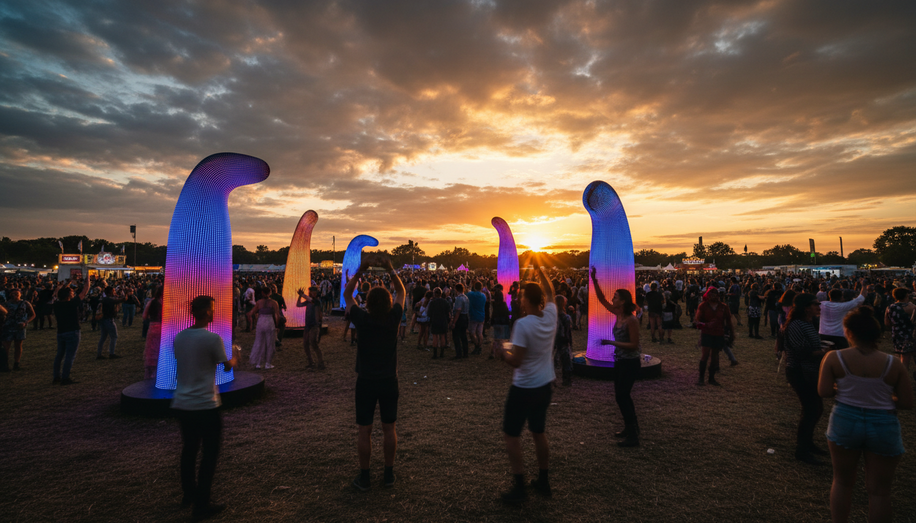

In the heart of bustling city streets, where digital screens flicker endlessly, a new wave of out-of-home (OOH) advertising is capturing attention not through static visuals, but through fleeting, immersive pop-up experiences that demand participation. These temporary installations—branded activations that appear for days or weeks in high-traffic locations—transform ordinary spaces into interactive brand playgrounds, drawing crowds with motion-activated walls, AR photo booths, and product-triggered displays that respond to a visitor’s touch or gesture. Unlike traditional billboards that passively observe passersby, pop-up OOH creates buzz by turning consumers into active players, fostering memorable interactions that ripple across social media and word-of-mouth.
The appeal lies in their ephemerality. Pop-ups thrive on urgency and exclusivity, a limited-time offer that compels immediate engagement before the structure vanishes. Brands leverage this to cut through the digital noise saturating consumers’ lives, where endless online ads blend into obscurity. By planting these experiences in places where audiences live, work, and play—urban parks, festivals, or transit hubs—OOH pop-ups deliver face-to-face encounters that digital campaigns cannot replicate. A branded Airstream trailer touring college campuses, for instance, lets students sample products firsthand, generating leads far beyond what posters could achieve, while custom LED trucks at music festivals use interactive screens to spark spontaneous crowds.
Technological integrations elevate these activations from mere spectacles to data-driven powerhouses. Motion and gesture walls, where a silhouette triggers cascading visuals, form crowds as onlookers watch others play, naturally producing user-generated content (UGC) primed for sharing. Touch tables allow multiple users to explore product configurators, blending physical merchandise with digital narratives via RFID or QR codes. AR filters transport visitors into branded worlds for Instagram-ready photos, requiring minimal hardware yet yielding high viral potential. These elements not only amplify brand awareness but also capture measurable outcomes: engagement metrics, lead generation, and conversion rates that justify budgets in an accountability-focused era.
Consider the strategic flexibility pop-ups afford. Without the commitments of permanent retail, brands test markets, launch products, and gather real-time feedback in new demographics. A luxury watchmaker might erect a pop-up in a trendy neighborhood, offering hands-on customization sessions that build loyalty through personalized takeaways. Experiential OOH blurs advertising and entertainment, engaging multiple senses to forge emotional connections—sights, sounds, and tactility that leave deeper imprints than two-dimensional ads. High-traffic placements, like interactive billboards in Times Square or mall entrances, extend reach organically as participants share their moments, turning one-off encounters into widespread exposure.
This rise reflects broader shifts in consumer behavior and OOH evolution. As place-based advertising tailors messages to environments, pop-ups create immersive relevance, driving participation and shares. Mobile variants, such as glass trucks with sampling stations at sports events, match activations to audience contexts—tailgaters trying energy drinks or festival-goers posing with giant product replicas. The result? Stronger recall, heightened purchase intent, and loyalty born from feeling “in the know” about exclusive events.
Yet success hinges on execution. Effective pop-ups prioritize interactivity over novelty: live demos, giveaways, and trackable engagements ensure visitors leave with stories, not just selfies. Logistics matter too—budget tiers from low-footprint AR setups to elaborate builds must align with goals, avoiding flops by focusing on shareability and crowd dynamics. Agencies report ROI through impressions, social lift, and sales spikes, proving pop-ups’ worth amid OOH’s digital upgrades like real-time analytics.
As 2026 unfolds, pop-up OOH stands at the forefront of experiential marketing, where temporary means timely. Brands like those deploying sensory-rich installations are redefining visibility, proving that in a world of fleeting attention, nothing commands presence like an activation that disappears all too soon. These buzz machines don’t just advertise; they invite consumers into the brand’s story, one immersive, urgent moment at a time.