

In the evolving landscape of out-of-home advertising, the spotlight is shifting from crowded transit hubs to the intimate corners of everyday life. While metro platforms and bus shelters have long dominated discussions on dwell time—the duration audiences spend actively engaging with ads—marketers are uncovering untapped potential in lifestyle environments like gyms, residential complexes, cafes, and co-working spaces. These non-traditional venues offer extended exposure periods, often stretching minutes or more, where consumers are relaxed, receptive, and free from the rush of commutes.
Consider the gym, a bastion of high-dwell-time real estate. Patrons logging treadmill miles or powering through weight sets aren’t glancing at their watches; they’re immersed in routines that last 30 minutes to over an hour. Place-based OOH here, from digital screens looping motivational brand stories to static posters at eye level on locker room doors, capitalizes on this captivity. Research from industry observers highlights how such placements thrive in these controlled settings, where repeated views build familiarity. A fitness enthusiast wiping down equipment might encounter the same ad five times in a single session, fostering deeper brand recall than a fleeting billboard glimpse. Advertisers like apparel brands or wellness apps have reported engagement lifts, as the environment aligns messaging with personal aspiration—sweat equity mirroring product benefits.
Residential complexes elevate this strategy further, transforming front-door moments into prime advertising windows. Door hangers or lobby digital displays greet residents during their most unhurried transitions: returning from errands or unwinding after work. Unlike public transit’s transient crowds, these audiences pause meaningfully—perhaps 20 to 30 seconds removing a hanger, or minutes scanning elevator screens while chatting with neighbors. One clever tactic involves interactive elements, like QR codes promising exclusive deals, which encourage carrying the message indoors. This “front-door marketing,” as dubbed by OOH experts, boosts dwell time exponentially; a compelling design doesn’t just get noticed—it travels into the home, extending exposure across dinner-table discussions. In upscale apartments or gated communities, this hyper-local precision targets demographics with disposable income, turning routine rituals into revenue opportunities.
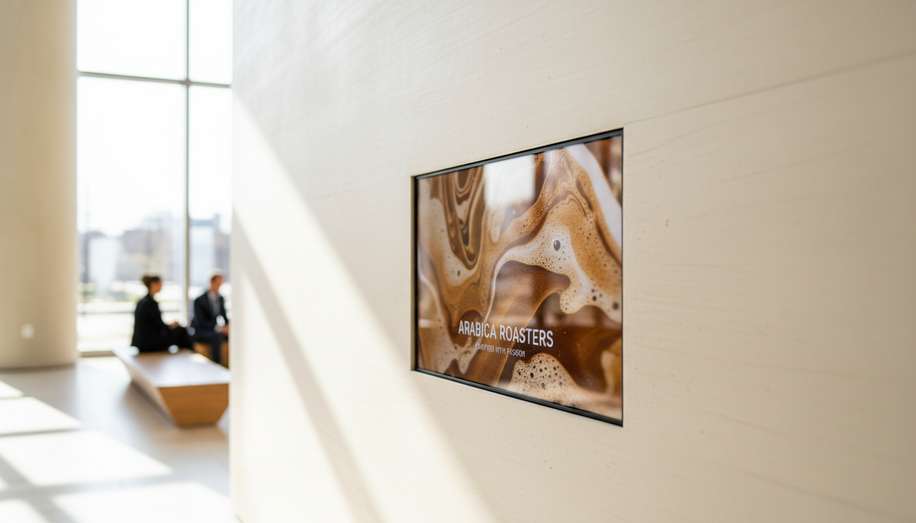
Cafes present a more casual canvas, where lingerers sip lattes amid natural pauses. The average coffee run stretches 10 to 20 minutes, with patrons scrolling phones or conversing at communal tables. Wall-mounted digital out-of-home (DOOH) screens here pulse with contextually relevant content—think beverage promotions or nearby event teasers—perfectly synced to the vibe. Unlike mobile ads battling endless distractions, these displays command undivided attention in low-stimulation zones. Data underscores the edge: indoor DOOH in retail-like settings achieves dwell times 2.6 times longer than static alternatives, driving impulse decisions. A cafe chain partnering with lifestyle brands has seen measurable upticks in foot traffic to sponsored pop-ups, proving that ambient exposure in relaxed spaces outperforms high-velocity urban blasts.
Co-working spaces, the modern nomad’s haven, blend productivity with prolonged presence. Freelancers and remote teams hunker down for hours, cycling through desks, lounges, and kitchens. OOH integrations—subtle digital panels above coffee stations or branded partitions—capture this extended dwell without intrusion. With average sessions hitting two to four hours, ads benefit from frequency and relevance; a productivity tool demo viewed repeatedly during breaks can convert passive viewers into users. These environments also amplify emotional resonance, piggybacking on the ambition fueling co-working crowds. In lifestyle venues like these, captive time pairs with high engagement, echoing successes in sports bars or entertainment districts where positive moods enhance recall.
The data validates this pivot. Screens in high-dwell zones consistently yield stronger ROI, justifying premium pricing through verified exposure metrics. Advertisers optimize by blending formats—static for familiarity, dynamic DOOH for motion-driven intrigue—while layering in interactivity to prolong gazes. Yet success hinges on nuance: content must resonate with the setting, avoiding salesy overload in sanctuary-like spaces.
As OOH matures, lifestyle placements redefine effectiveness. Beyond the commute’s frenzy, these environments deliver not just reach, but resonance—where minutes of mindful attention forge lasting connections. For brands chasing engagement over impressions, the message is clear: meet audiences where they live, sweat, sip, and create. The dwell time revolution is here, and it’s anything but traditional.