
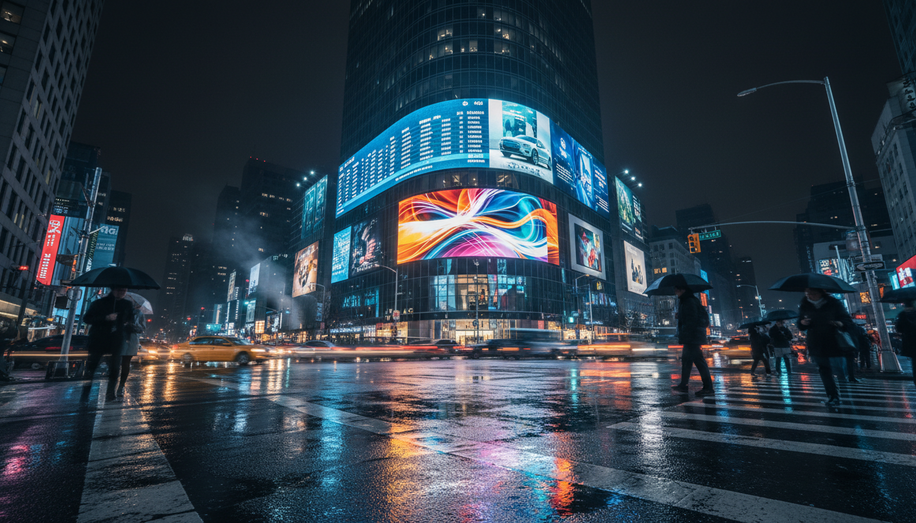

As urban landscapes evolve into intelligent ecosystems, out-of-home (OOH) advertising is shedding its static image to emerge as a vital thread in the fabric of smart city initiatives. No longer mere billboards hawking products, connected OOH displays—particularly digital out-of-home (DOOH) formats—are integrating seamlessly with city infrastructure, serving dual roles as commercial platforms and public utilities. From dynamic screens at transit hubs to interactive kiosks in pedestrian zones, these technologies are enhancing urban life while opening new avenues for advertisers to engage citizens in contextually relevant ways.
Smart cities, powered by sensors, data analytics, and IoT networks, generate vast streams of real-time information about traffic flows, weather patterns, crowd densities, and even individual mobility. OOH media is capitalizing on this deluge, transforming passive advertising into responsive, value-adding experiences. Consider the integration seen in cities like Singapore and Barcelona, where DOOH billboards pull live data to adjust content dynamically. A screen near a busy intersection might display tailored ads during rush hour—promoting coffee for commuters—then pivot to weather alerts or public transport updates as conditions change. This isn’t just clever marketing; it’s a symbiotic partnership with municipal systems, where advertising infrastructure doubles as a conduit for essential civic communication.
The bridge between OOH and smart city frameworks lies in advanced connectivity. Programmatic DOOH platforms, akin to those revolutionizing digital advertising, enable real-time bidding and targeting based on location intelligence. Agencies now score panels using audience density maps, mobility patterns, and even device identifiers from nearby smartphones, ensuring messages reach the right eyes at the optimal moment. QR codes and augmented reality overlays on OOH displays drive seamless transitions to digital realms, funneling foot traffic to apps or e-commerce sites while capturing behavioral data. This omnichannel synergy amplifies brand narratives, as a physical billboard encounter extends into social media interactions or personalized online retargeting, creating a holistic consumer journey that transcends screens.
Beyond commerce, OOH’s role in smart cities extends to public good, fostering goodwill and justifying its urban footprint. AI-powered billboards, for instance, can instantly switch from promotional content to emergency broadcasts—flashing evacuation routes during floods or amber alerts for missing children. In London, Transport for London has experimented with DOOH screens in subway stations that integrate with city-wide sensors to inform riders of delays, while subtly weaving in sponsored messages from local businesses. Similarly, smart kiosks in high-traffic areas like New York’s Times Square offer wayfinding, free Wi-Fi, and event calendars alongside targeted ads, turning infrastructure into interactive hubs that residents and visitors rely on daily.
This evolution addresses longstanding criticisms of OOH as intrusive clutter. By embedding advertising within useful services, cities mitigate visual pollution concerns and even generate revenue to fund further smart initiatives. The Out of Home Advertising Association of America (OAAA) highlights how such deployments in U.S. pilots have equipped OOH with sensors that contribute urban data back to city planners, from air quality readings to pedestrian counts. In Europe, partnerships like those in Paris’s smart city program link DOOH networks to public transport, allowing screens to display real-time bus arrivals sponsored by retailers, boosting both efficiency and engagement.
Data underscores the momentum. Programmatic DOOH spending surged 25% year-over-year in 2025, per industry reports, with smart city integrations cited as a key driver. Advertisers benefit from measurable ROI—footfall attribution via geofencing, lift in brand recall from dynamic creatives—while cities gain modernized infrastructure without prohibitive costs. Challenges remain, including privacy safeguards for location data and equitable access to premium inventory, but regulatory frameworks like the EU’s GDPR updates are paving the way.
Looking ahead, as 5G and edge computing proliferate, OOH will deepen its entwinement with urban fabrics. Imagine billboards that personalize content via facial recognition opt-ins or integrate with autonomous vehicles for hyper-local promotions. In essence, OOH is no longer an outsider vying for attention in smart cities; it’s becoming the pulse of urban innovation, blending commerce with connectivity to create environments that are not just smarter, but more human-centered. For advertisers, this isn’t a trend—it’s the new bedrock of city-scale storytelling.
As OOH continues its evolution into the intelligent fabric of urban life, platforms like Blindspot become indispensable for advertisers navigating this complex landscape. By providing advanced programmatic DOOH campaign management, coupled with precise location intelligence and real-time ROI measurement, Blindspot empowers brands to leverage smart city data for hyper-targeted, contextually relevant campaigns while quantifying their impact. This ensures that OOH investments not only drive commercial success but also seamlessly integrate into the public utility framework that defines the cities of tomorrow. Learn more at https://seeblindspot.com/