
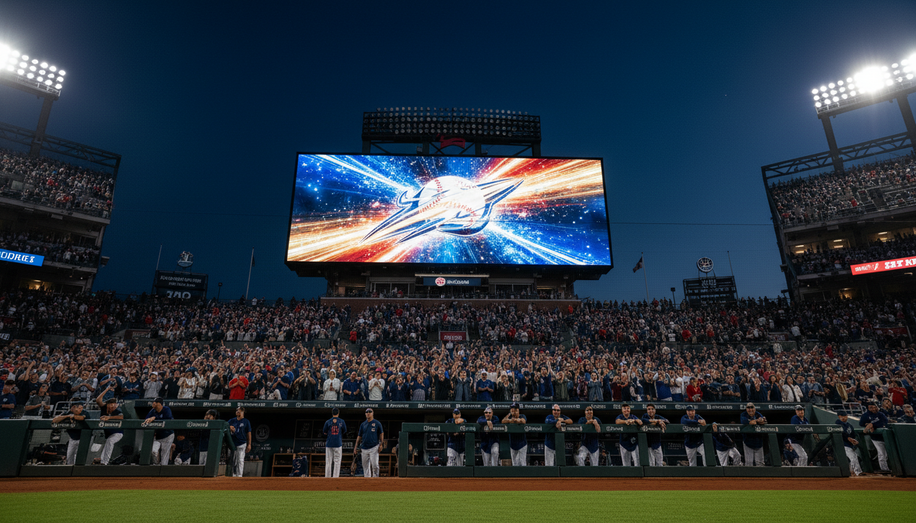

In a world of fractured attention, sports and entertainment venues remain one of the last true mass stages. Inside stadiums, arenas, and concert halls, thousands of people are physically present, emotionally invested, and highly receptive. For brands, that rare combination makes out-of-home advertising more than just backdrop; it becomes an active part of the live experience. The challenge is no longer whether to advertise in these spaces, but how to maximize impact in the moments that matter most.
Recent research from the Out of Home Advertising Association of America (OAAA) and The Harris Poll underscores the opportunity. A majority of sports fans recall seeing out-of-home ads around major events, and up to 90% say they engaged with a major sporting event OOH ad by taking some form of action—purchasing tickets or merchandise, attending an event, or seeking more information. That level of response is driven by context: fans are already in a purchase mindset, primed to spend on tickets, food, merchandise, and experiences tied to the passion they’re there to share.
To fully harness this environment, brands are moving beyond static signage and logo slaps toward integrated storytelling that follows fans through the entire event journey. The touchpoints begin long before a fan reaches the gate. Roadside digital billboards, transit shelter screens, and digital urban panels near venues set the stage days or weeks in advance, building anticipation with countdowns, player features, or artist teasers. When these same narratives reappear on digital boards in the concourse or on in-venue displays, the repetition strengthens memory and cements association, making the brand feel like an embedded part of the event.
Inside the venue, attention is anything but passive. Fans have high dwell time in concourses, concession lines, restrooms, suites, and club areas. In these micro-environments, digital out-of-home shines by delivering contextually relevant creative. A beverage sponsor might run playful, game-specific messaging in concession areas that updates by quarter or period. A betting partner can stream live odds on screens in premium lounges, turning ad space into real-time utility. Apparel brands can lean on dynamic creative optimization, pushing different merchandise highlights depending on the score, weather, or even in-game milestones.
The most effective campaigns treat the venue as an ecosystem rather than a collection of isolated screens. That means thinking in sequences, not single impressions. A fan might first see a six-second product tease on an external digital display while entering the arena, encounter a longer-form storytelling spot on the main scoreboard during a timeout, and then be nudged again by a concise call-to-action on a digital panel near the exit. Each execution builds on the last, creating a narrative arc across the night. Brands that map these journeys deliberately are the ones that convert fleeting impressions into lasting affinity.
A key development is the expansion of sports and entertainment OOH into “watch spaces” beyond the venue itself. Sports bars, casual dining restaurants, hotel lobbies, and fan zones now function as de facto extensions of the stadium. The emotional intensity is similar—fans gather in groups, stay for hours, and fixate on screens. Digital signage in these locations, especially when synced with in-venue messaging, can amplify reach and strengthen brand linkage. When a fan sees a 30-second spot on the broadcast and then encounters a cutdown of the same creative on a digital screen in the bar or at a nearby transit hub, the campaign’s “memory structure” deepens, making every media dollar more efficient.
Real-time responsiveness is emerging as a differentiator. Programmatic DOOH and live data feeds allow campaigns to pivot in sync with the event. A surprise upset can trigger congratulatory creative within minutes on screens in and around the arena. A late-game comeback can prompt celebratory messages that push post-game offers, from rideshare discounts to merchandise promotions. Weather-triggered creative can push branded rain gear when storms hit, or sun-protection products around daytime events. Brands that leverage these capabilities move from being mere sponsors to feeling like active participants in the drama.
Interactivity is also reshaping how event-goers engage with OOH. QR codes on concourse displays can direct fans to exclusive digital content, instant discounts at concessions, or entry into social contests tied to the game or show. Social integrations—such as displaying live fan posts, polls, or trivia on large-format screens—can encourage participation while keeping the brand at the center of the conversation. Done well, this turns OOH from a one-way broadcast channel into a two-way engagement engine that bridges the physical and digital worlds.
For teams and venues, the stakes are equally high. Strategic OOH programs don’t just sell inventory; they enhance the fan experience and can drive tangible revenue. Thoughtful sponsor integration inside and outside the venue makes the environment feel more premium and connected, rather than cluttered. When brands contribute utility—wayfinding, transit information, live stats, local offers—they enhance, rather than interrupt, the event. This, in turn, builds goodwill and opens the door to deeper, longer-term partnerships.
The broader media landscape is pushing attention back into real life. As consumers increasingly filter out digital noise on personal devices, the shared energy of live events stands out. OOH in sports and entertainment venues is uniquely positioned to harness that energy: large-format, unavoidable, and aligned with moments of peak emotion. The brands that will win in this arena are those that respect the context, embrace dynamic and data-driven creative, and think holistically—following fans from the city streets to their seats, and back out into the night.