
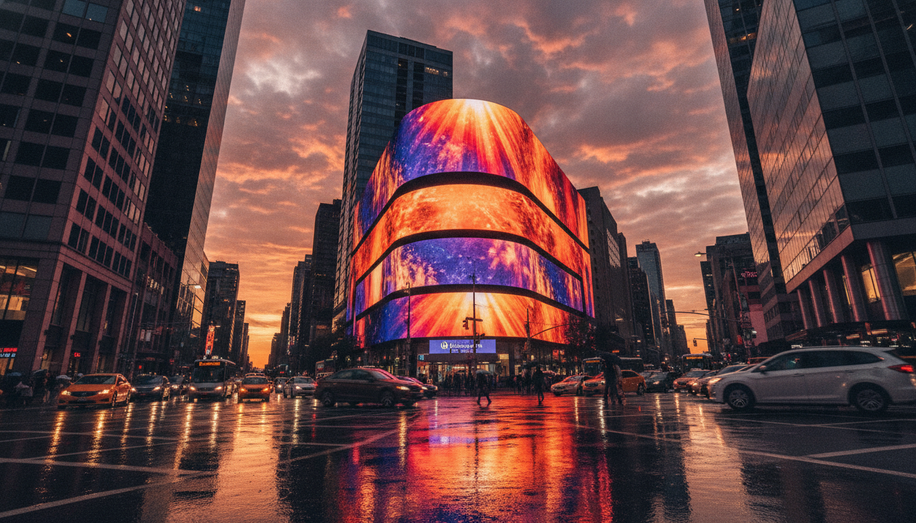

The rapid evolution of programmatic digital out-of-home (pDOOH) advertising has transformed how brands capture consumer attention in the physical world. By leveraging automated buying, real-time data, and flexible bidding models, media buyers can now execute dynamic outdoor campaigns with the same agility as traditional digital media. To navigate this expanding landscape, choosing the right demand-side platform (DSP) is crucial for maximizing reach, targeting precision, and cross-channel campaign efficiency.
1. **Vistar Media**
As a pioneer in the programmatic DOOH space, Vistar Media offers an industry-leading demand-side platform designed specifically for the unique physical mechanics of digital out-of-home advertising. The platform features robust audience targeting, spatial data intelligence, and seamless execution across millions of global screens ranging from roadside billboards to transit hubs. Vistar’s proprietary device graph and geographic analysis tools allow media buyers to accurately translate digital consumer behavior into physical-world impressions. Following its integration of the European specialized DSP Sage+Archer, Vistar has cemented its status as a global powerhouse, making it an essential tool for agencies executing sophisticated, high-scale DOOH campaigns.
2. **Hivestack by Perion**
Acquired by global adtech leader Perion, Hivestack operates as a leading full-stack, DOOH-native platform specializing in audience-centric programmatic buying across dozens of countries. The DSP provides media buyers with advanced tools for customized audience planning, real-time contextual targeting, and robust foot-traffic measurement. Marketers can easily leverage pre-built demographic segments or ingest custom first-party data to bid on inventory programmatically during optimal hours of the day. With a strong footprint in major markets across North America, EMEA, LATAM, and APAC, Hivestack remains a top-tier choice for international agencies seeking granular, real-time control over their outdoor advertising investments.
3. **Broadsign Ads**
Formerly known as Campsite, Broadsign Ads is a specialized programmatic DOOH demand-side platform engineered to make outdoor media buying as straightforward as mobile or web advertising. The self-serve platform bridges the gap for digital-first agencies by offering an intuitive, map-based interface and seamless workflows for deploying campaigns across thousands of premium roadside and place-based screens. Media buyers can execute campaigns using real-time dynamic triggers, such as live weather feeds, sporting event updates, or financial market movements. Backed by Broadsign’s massive global supply-side network, this DSP is highly optimized for performance-minded buyers seeking ease of execution and rapid creative approvals.
4. **The Trade Desk**
For media buyers looking to manage DOOH alongside display, video, audio, and connected TV, The Trade Desk remains the premier independent omnichannel DSP on the market. Rather than operating as a closed ecosystem, the platform integrates with top DOOH supply-side platforms to offer enterprise-grade transparency and programmatic access to global physical inventory. Advertisers can leverage advanced artificial intelligence and native data partnerships to trigger billboard ads based on complex digital behaviors and physical foot traffic. This unified approach enables agencies to create highly coordinated, cross-channel customer journeys where a consumer sees a DOOH ad during their commute and later receives a matching CTV or mobile ad.
5. **Google Display & Video 360 (DV360)**
As a cornerstone of the Google Marketing Platform, Display & Video 360 provides agencies with a powerhouse programmatic solution that incorporates DOOH into an expansive omnichannel framework. DV360 connects media buyers to global out-of-home inventory through major supply-side integrations, enabling teams to plan, buy, and measure DOOH alongside other Google-centric channels. The platform excels at cross-channel attribution and analytics, making it easy to measure how exposure to a physical digital screen impacts subsequent search behavior or YouTube engagement. For enterprise brands already heavily invested in Google’s data clean rooms and cloud infrastructure, DV360 offers unparalleled workflow consolidation and scaled buying power.
6. **StackAdapt**
StackAdapt has rapidly become one of the most popular self-serve omnichannel DSPs for mid-sized agencies, offering an incredibly user-friendly platform with no monthly spend minimums. The platform’s programmatic DOOH capabilities are fully integrated alongside its native, display, video, and CTV offerings, allowing buyers to build cohesive multi-channel strategies. StackAdapt utilizes advanced machine learning and location-based data targeting to place ads on highly relevant digital screens, such as retail venues, gyms, and transit terminals. With real-time creative previews, a highly intuitive user interface, and stellar customer support, it provides a low-friction entry point for agencies transitioning traditional OOH budgets into programmatic spaces.
7. **Yahoo DSP**
Yahoo DSP is a highly sophisticated omnichannel platform that features deep programmatic DOOH integrations and a reputation for establishing early industry standards for venue data. Utilizing the company’s extensive proprietary first-party identity data and location graphs, media buyers can precisely target on-the-go consumers across premium digital screens globally. The platform enables advertisers to set up complex weather, transit, and audience triggers to deliver highly contextual creatives in real time. Yahoo’s robust inventory partnerships with major DOOH sellers make it an excellent choice for buyers looking to combine physical-world screen dominance with reliable digital measurement.
As programmatic digital out-of-home continues to mature, the choice between specialized DOOH DSPs and broad omnichannel platforms depends heavily on an agency’s existing tech stack and campaign objectives. Selecting a platform that seamlessly aligns with your targeting criteria, inventory requirements, and attribution metrics is the key to unlocking the true potential of physical screens. Ultimately, the right DSP will bridge the gap between digital and physical spaces, transforming standard billboards into highly responsive, data-driven touchpoints.